Stop the Cracks: Getting Your Brake Pad Curing Right
Curing brake pads is a bit of a balancing act. If the resin hits that peak temperature too fast or unevenly, you’re asking for trouble. You’ll end up with gas trapped inside and thermal cracks that ruin the whole batch. We use precision infrared (IR) lamps to handle the heat soak. The goal is to get that resin to cross-link properly without blowing holes right through your friction material.
Why the “Heat Soak” Actually Matters
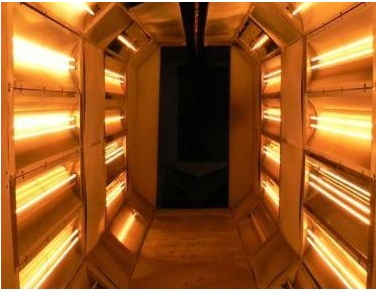
If you want to stop the cracking, you have to watch your ramp-up speed. Here’s the thing: shortwave IR goes deep. It hits the core and the surface at the same time. This stops the “skin effect,” which is when the outside hardens too quickly and traps volatile gases inside. Those gases have nowhere to go, so they create porosity. Not ideal. Our lamps have high power density to get things moving fast, but you can’t just blast them at 100% and walk away. You need a PID controller. Without a proper ramp-down phase, you’re likely to scorch the resin.
The Gear and How to Set It Up
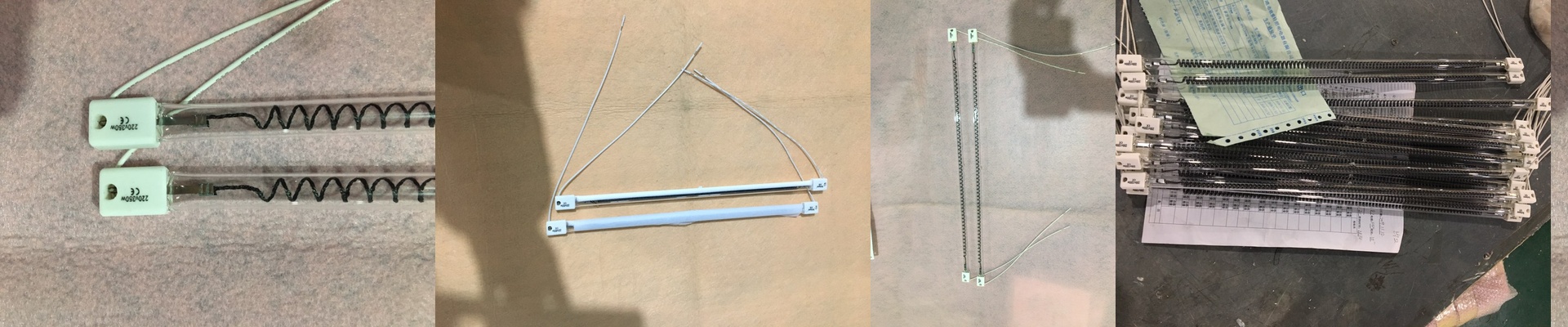
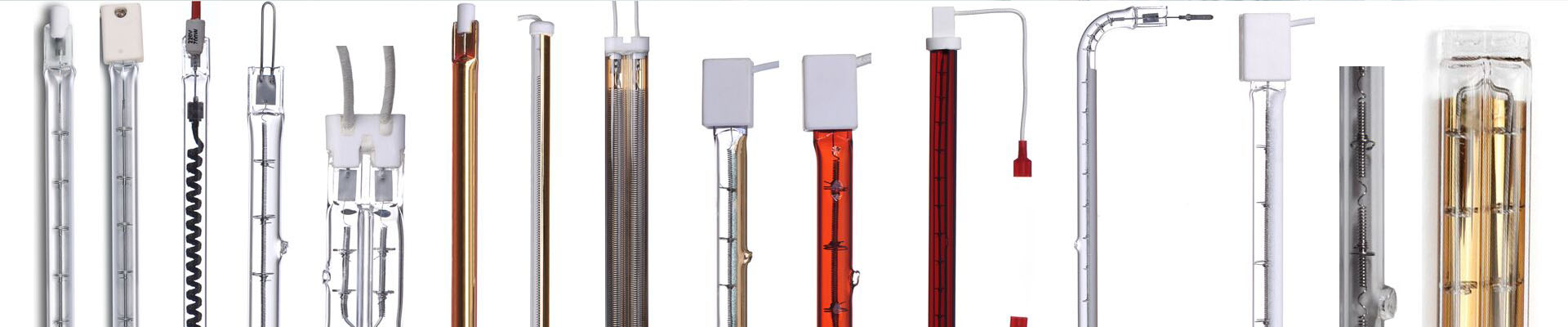
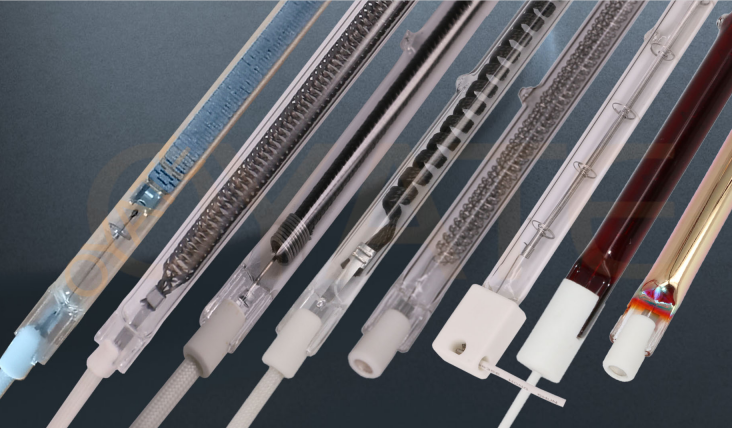
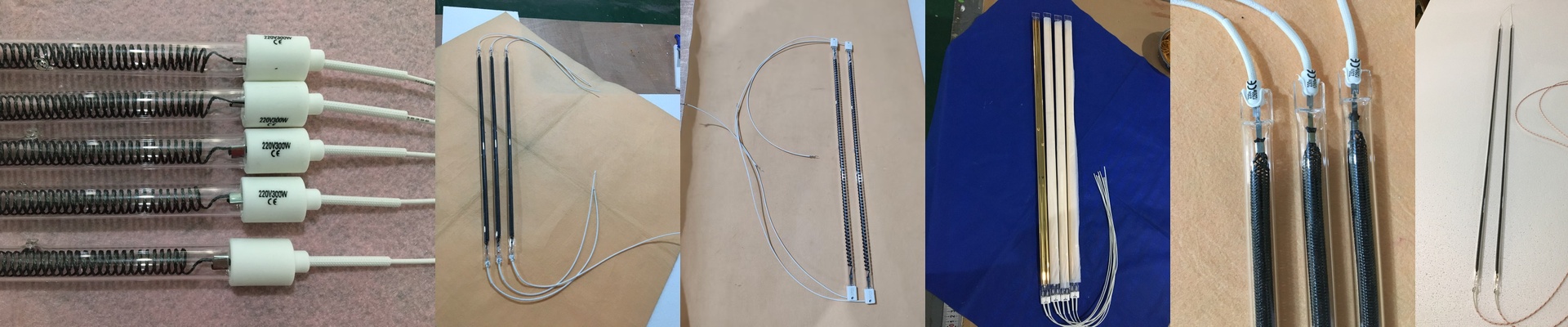
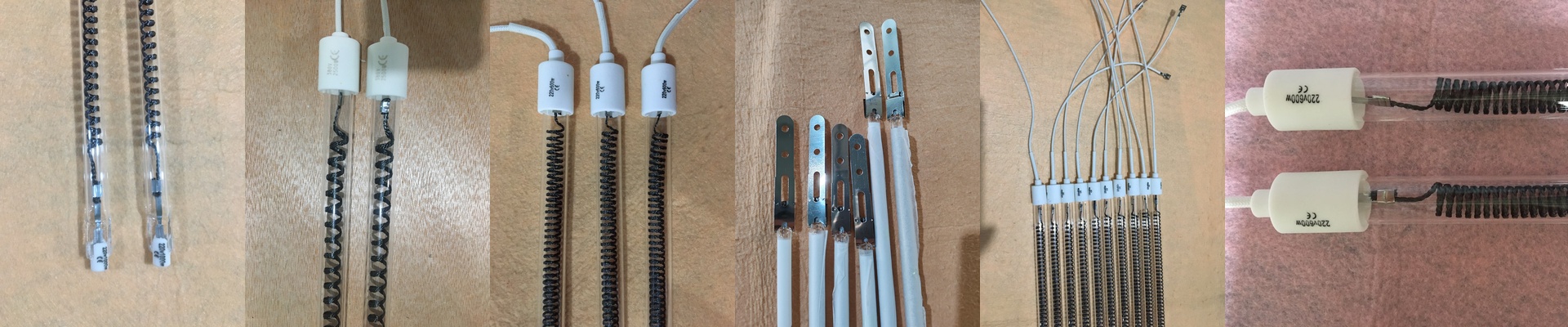
We build these lamps with high-purity quartz tubes. Why? Because they can take the thermal shock of rapid cycling without snapping. Depending on how much room you have in your oven, we can tweak the wattage and length so the heat hits every rack evenly. One quick tip: watch your terminals. Poor contact leads to arcing, and that’s a fast track to a burnt-out lamp. We use standard connectors so these just drop right into your existing jigs. Just double-check your wiring gauge. If your wires are too thin for the current draw, your voltage will drop and your curing consistency will go right out the window.
The Trade-offs You Should Know About
High-intensity IR lamps give you the structural strength you need, but they put off a lot of ambient heat. That means you can’t ignore your exhaust. If your airflow is clogged, heat builds up around the quartz envelope and kills the lamp’s lifespan. And please, keep the reflectors clean. A bit of dust on those mirrors can drop your efficiency by 15-20%. Then your lamps have to run even hotter just to hit the same temperature, which just wears them out faster.