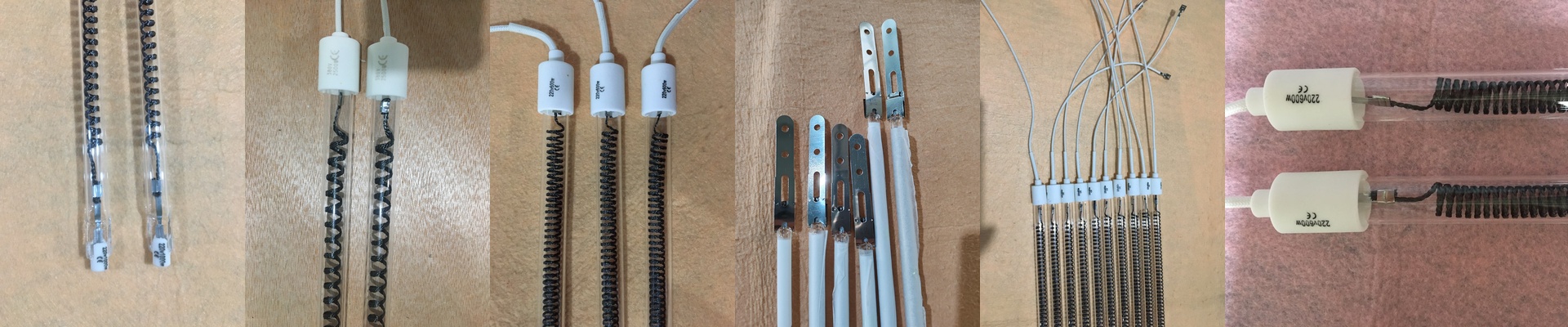
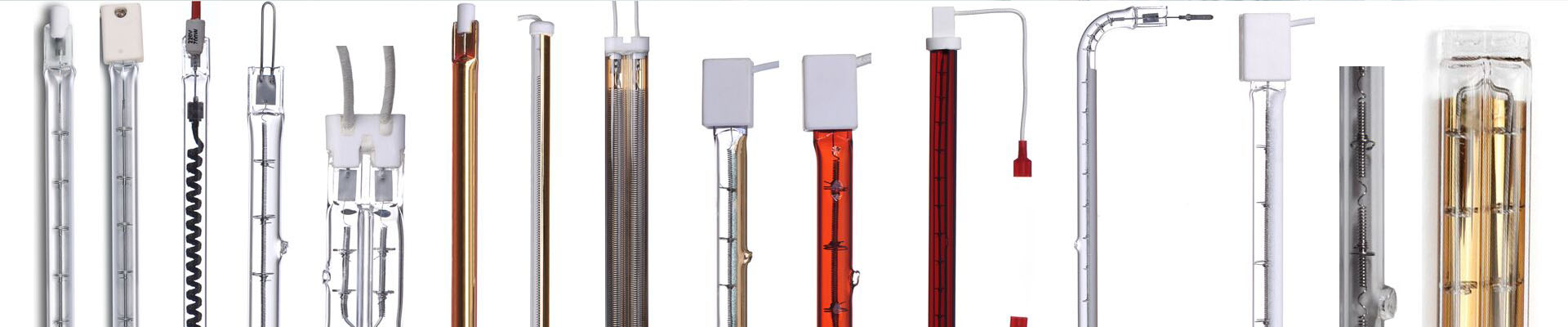
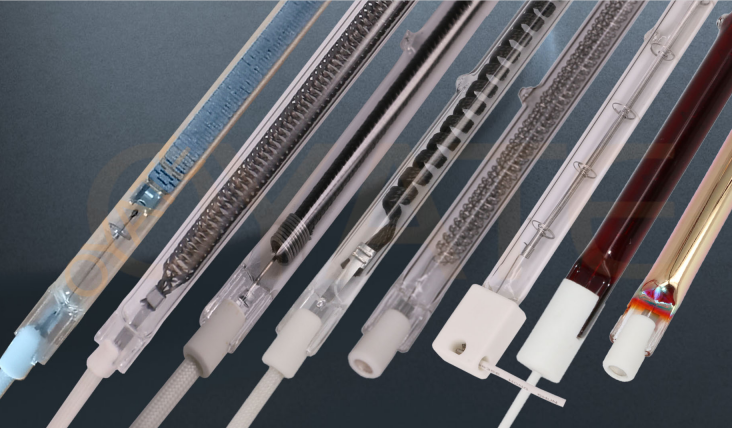
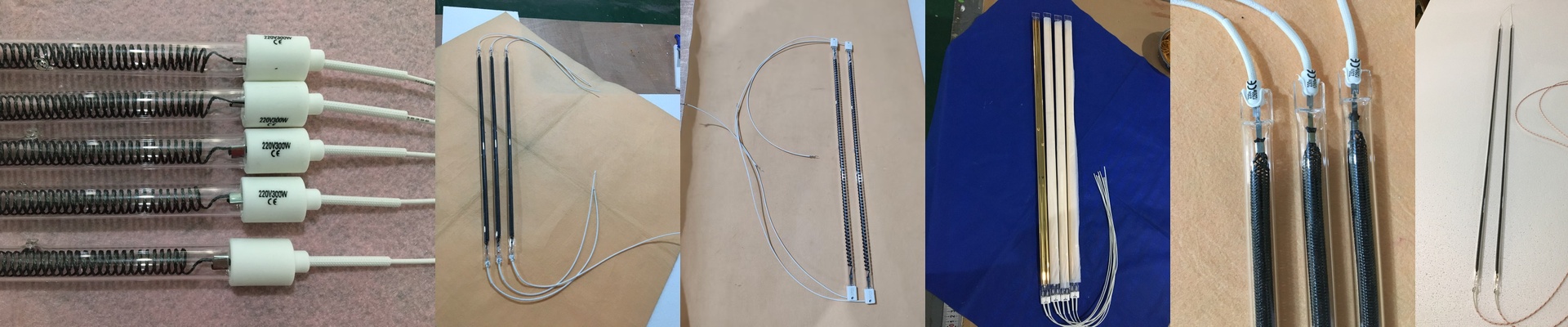
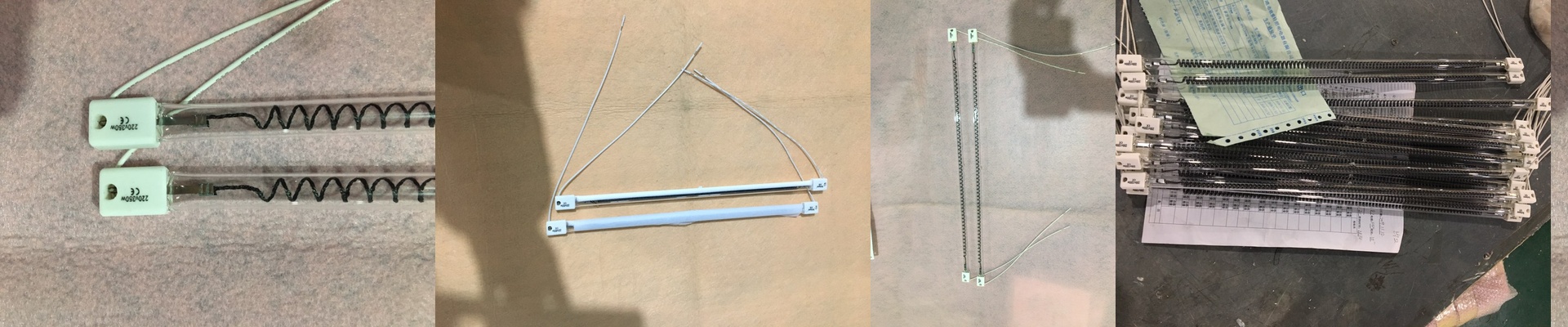
Ever deal with that annoying “spring-back” when you’re thermoforming car interiors? You pull the part out of the mold, and it just… shifts. It warps. It doesn’t fit. It’s frustrating. Usually, it happens because the material is still holding onto internal stress from the heating cycle. It’s like the plastic has a memory of its old shape and is trying to go back to it. We fix this using zoned infrared (IR) temperature control. Instead of just blasting the whole part with heat, we target specific spots. It lets you lock in the shape and hit those tight tolerances without the headache. Why “one size fits all” heating doesn’t work Here’s the thing: uniform heating is actually a trap. Think about a complex interior trim. You’ve got thick sections and thin walls. The thick parts soak up heat slowly, while the thin edges can overheat in a heartbeat. If you treat them the same, you get warping. We use IR arrays to push more energy into the heavy areas and dial it back on the edges. This ensures the core of the plastic actually reaches the glass transition temperature without scorching the surface. When you get the heat distribution and cooling just right, you kill that internal stress. The part stays put. The gear behind it We use short-wave and medium-wave IR emitters because they punch through the plastic much faster than standard convection. It’s quick. Really quick. And that means your cycle times drop. To make this work, we give each zone its own PID controller. You can basically tune each lamp bank to match the actual curves and dips of your part. But you have to be careful. If your lamps are slightly off or the power is unbalanced, you’ll get hot spots. Those spots lead to thin walls, and that’s a one-way ticket to the scrap bin. The trade-offs Now, it’s not all magic. Zonal control adds some bulk to your wiring and control cabinets. You aren’t just flipping one switch anymore; you’re managing a few different power circuits. Plus, these high-density IR arrays put out a ton of waste heat. If your shop floor ventilation isn’t up to the task, your electronics might trip from the ambient heat. But once you get your airflow sorted? Your parts stay stable, and the stress disappears.