Getting Your Brake Pad Curing Right (And Keeping It That Way)
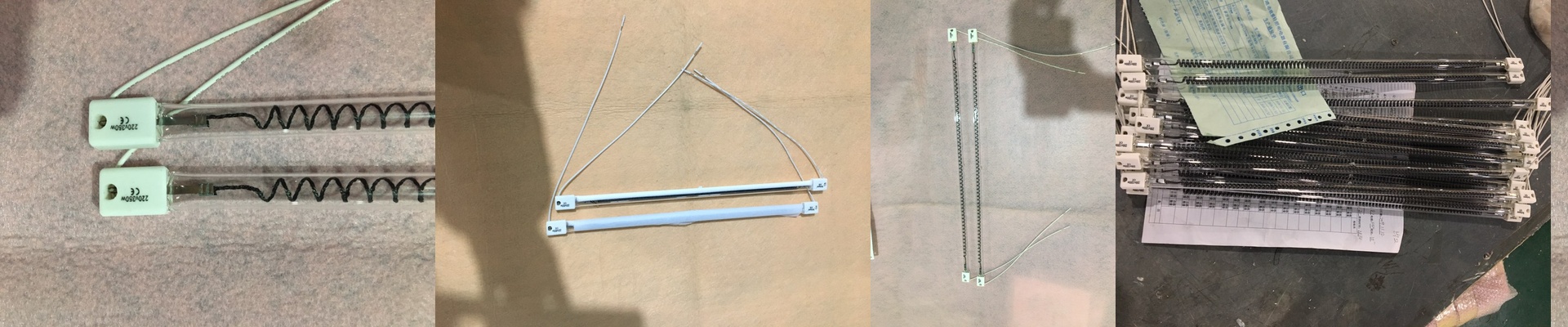
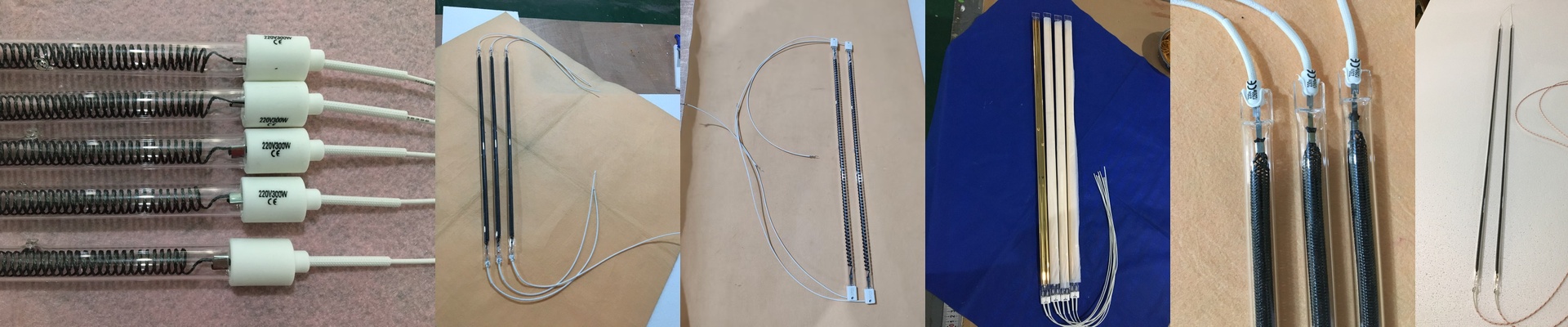
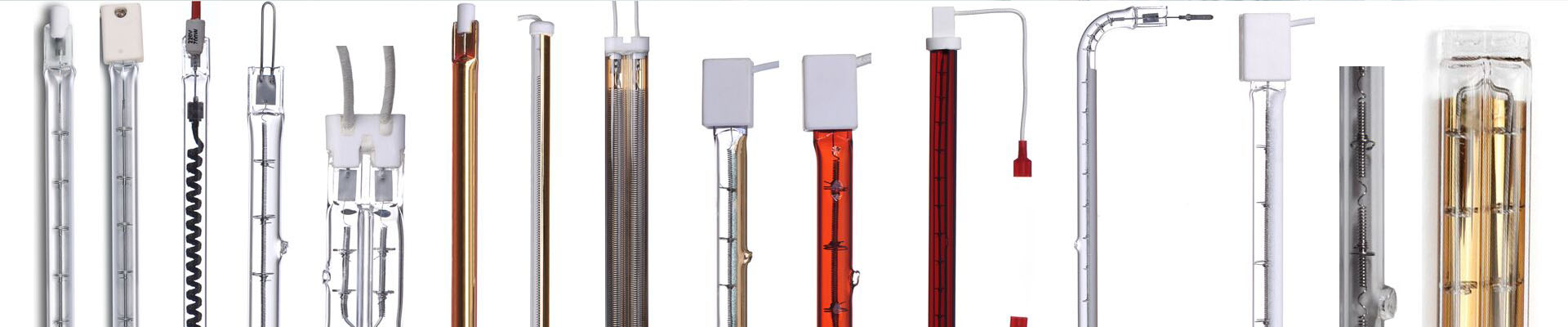
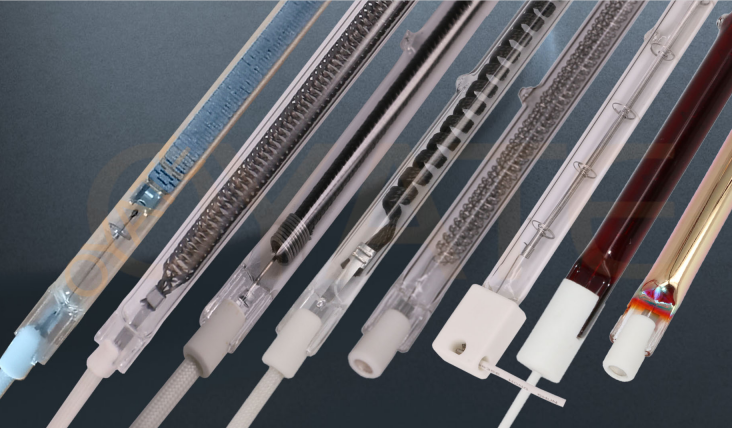
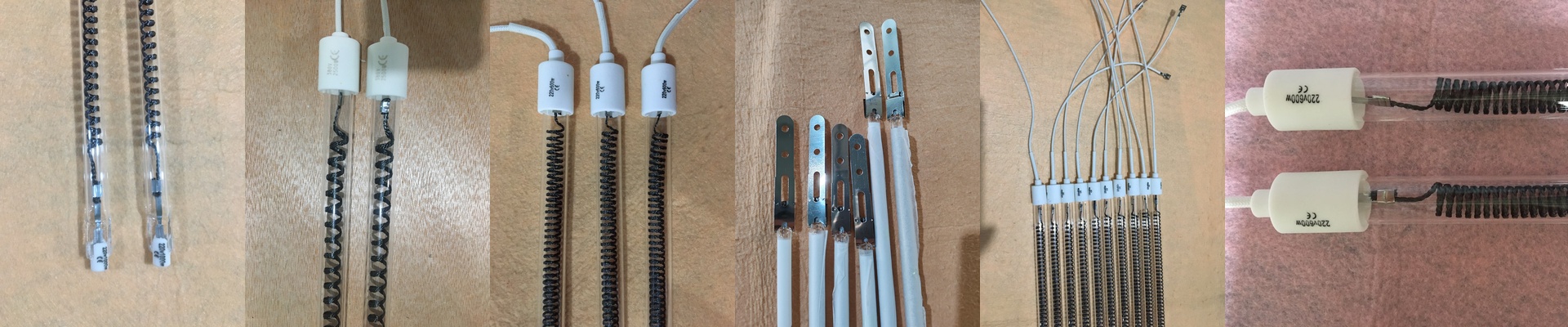
Curing brake pads is all about the heat. If your power dips or a lamp decides to quit in the middle of a shift, you’re looking at uneven curing and a pile of scrapped parts. It’s a headache nobody needs. That’s why we built our short-wave IR modules to just… work. Even when they’re running 24/7. No drifting, no surprises. Keeping the power steady If you want zero fluctuation, you have to look at the quartz envelope. Most people overlook this, but when a tube bows under constant heat, your focal point shifts. Suddenly, your heat density drops and your parts aren’t curing. We use high-purity quartz that doesn’t warp. It stays straight, which means the IR radiation hits the pad exactly where it should, every single time. But the glass is only half the battle. You can’t just plug these into a raw line and expect 24-hour stability. Factory floors are notorious for voltage drops. We pair our modules with stabilized power controllers that smooth everything out, keeping your wattage flat. Built for the grind We went with short-wave emitters because they punch through the resin deeper and faster than medium-wave options. It’s a huge win for your floor space because it lets you shrink the curing tunnel. We also obsessed over the small stuff. Reinforced end-caps. High-grade connectors. Why? Because most “random” failures on a production line aren’t random at all—they’re usually just oxidation at the contact points. We stopped that from happening. The one catch: Cooling Here’s the thing. High-density short-wave IR puts out an incredible amount of energy. While the pads are soaking up that heat, the housing and reflectors are taking a beating. You can’t just stick these in a sealed box and hope for the best. You need cooling blowers that actually move air. If your airflow is weak, your connectors will overheat. And it doesn’t matter how good the quartz is—if the terminals fry, the lamp dies. Keep them cool, and they’ll keep running.