Getting the Most Out of Carbon Fiber IR Lamps
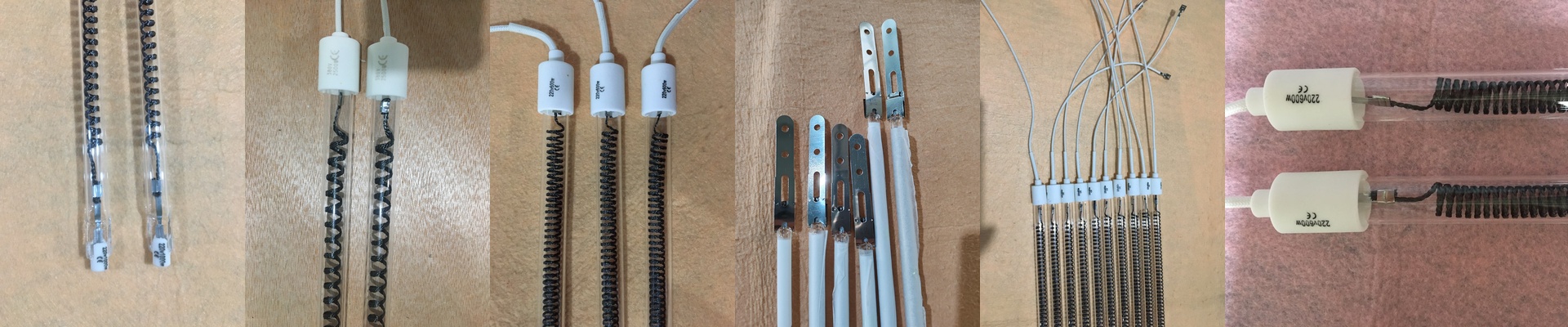
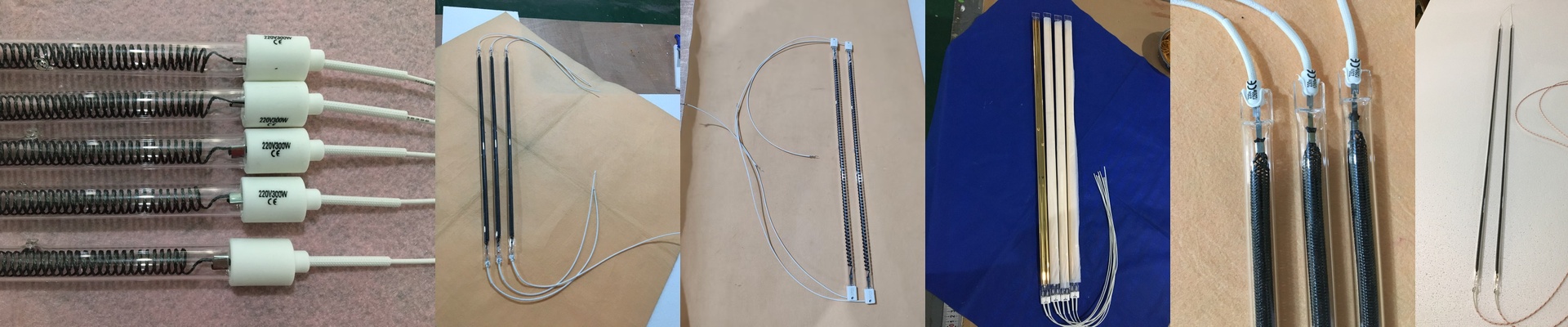
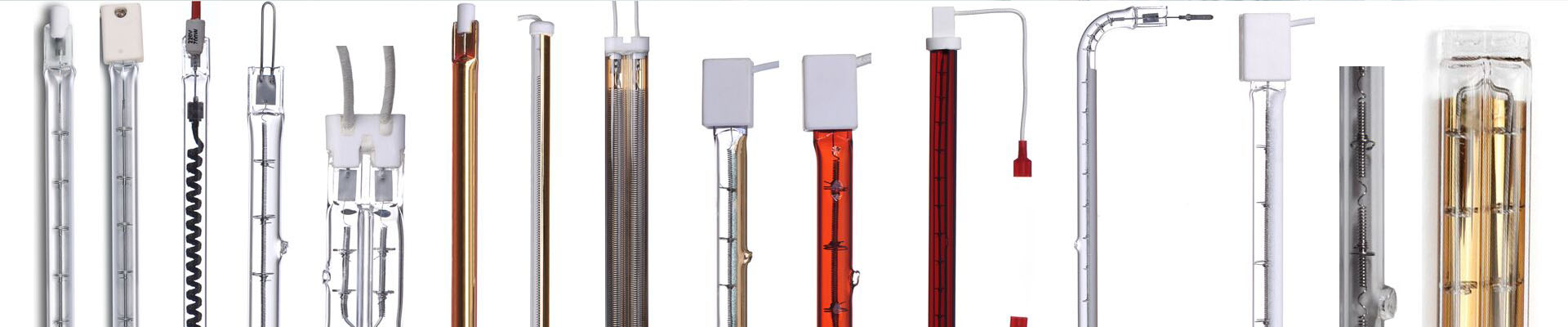
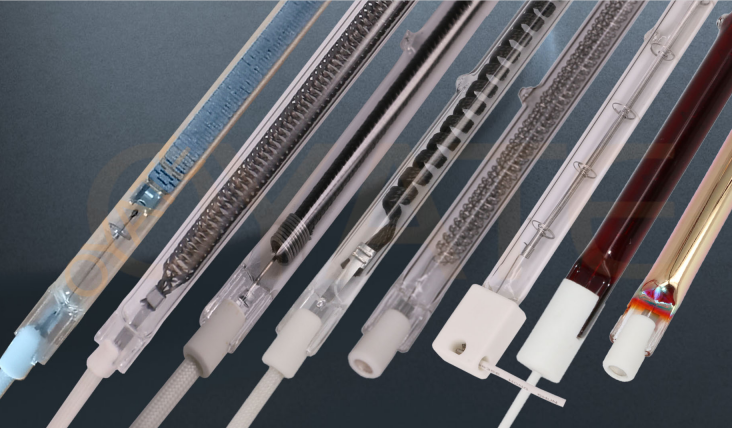
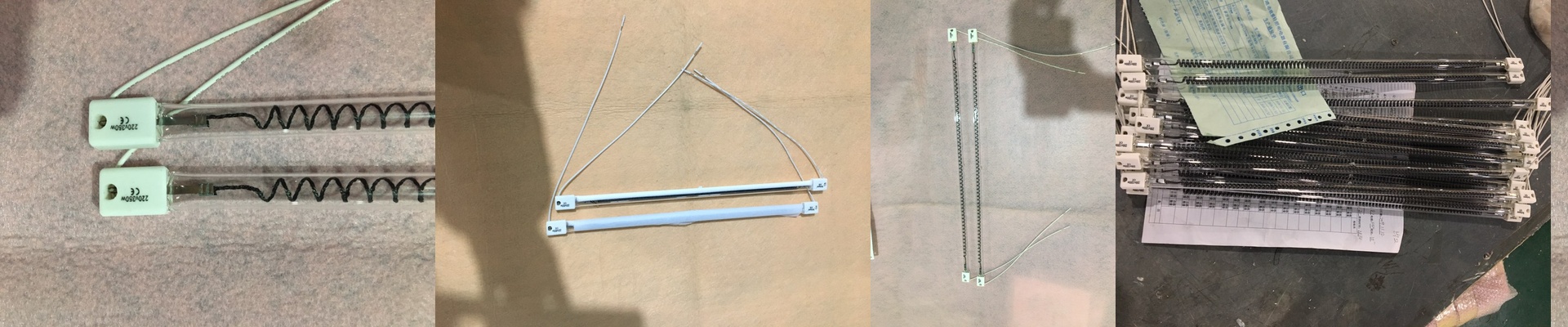
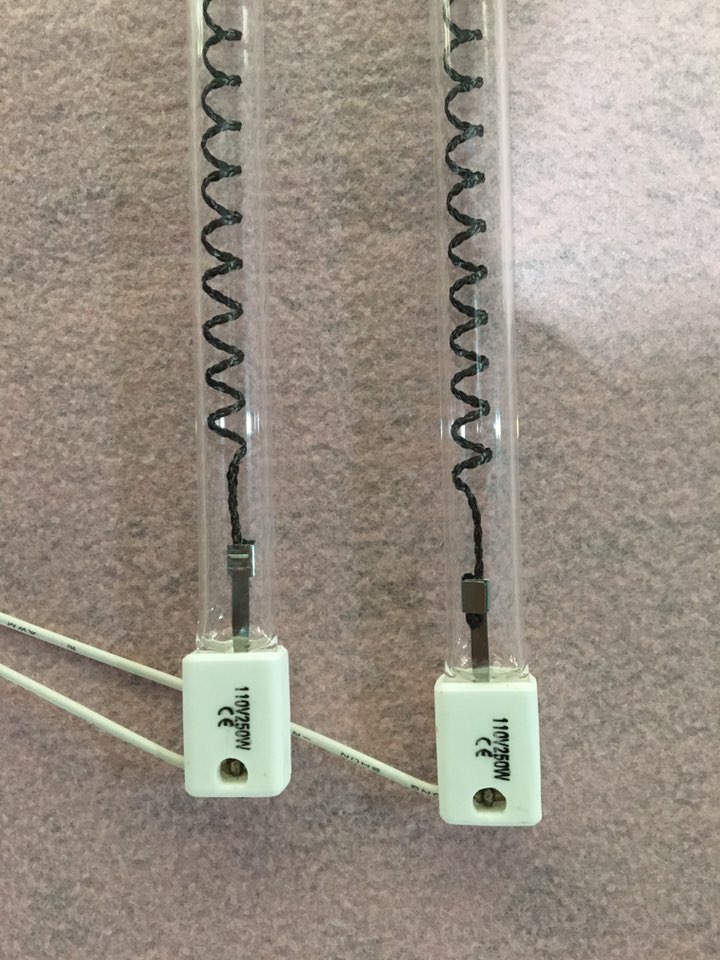
If you’ve only ever used standard metal-filament heaters, carbon fiber IR lamps are going to feel like a different beast entirely. Instead of the usual setup, we use a carbon fiber filament tucked inside a quartz envelope. The result? It hits hard and it hits fast. You get short-wave radiation that ramps up almost instantly, throwing a concentrated blast of heat exactly where your workpiece needs it. The trick with power and voltage When you’re picking out your lamps, remember that wattage and voltage are what really drive the heat density. If you cram a high-wattage tube into a short space, you get an incredibly intense thermal zone. This is a lifesaver for things like PET bottle blowing or rapid curing. You need that material to hit its transition temperature in a heartbeat, not a few minutes. But here’s the thing: you have to be spot-on with your power supply. If you under-volt, the heat just won’t penetrate. Go too high? You’ll fry the filament in a blink. The nuts and bolts of the build The quartz glass does the heavy lifting here, acting as the main barrier. Depending on where you’re using these, we can add specific coatings to the glass. This helps shift the emission spectrum or just keeps the tube from getting ruined by chemical splashes on a messy shop floor. For the wiring, we stick to the basics—standard connectors like R7s or Sk15. They’re easy to plug in and they stay put. Just make sure they’re snug. A loose connector leads to arcing at the terminals, and that’s a quick way to kill a perfectly good lamp. A few things to watch out for These lamps pack a massive amount of heat into a tiny footprint. It’s impressive, but it puts a lot of stress on your machine’s frame. If you’re running high-density tubes, don’t skimp on your cooling fans or heat sinks. You’ve got to manage that ambient temperature rise. If there isn’t enough airflow around the ends of the lamp, the “heat soak” will eventually eat through your wiring insulation. Basically, if you’re using these as drop-in replacements, just double-check that your existing gear can actually handle the thermal load.