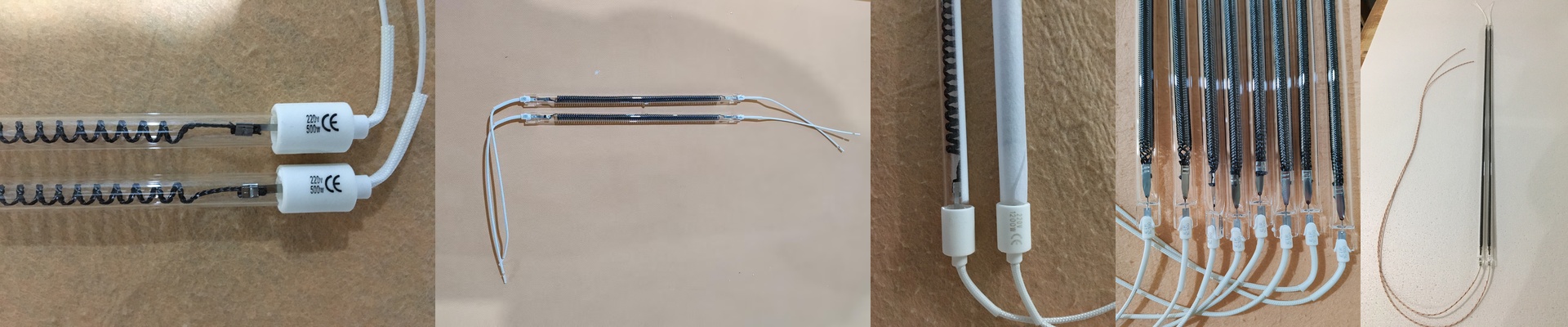
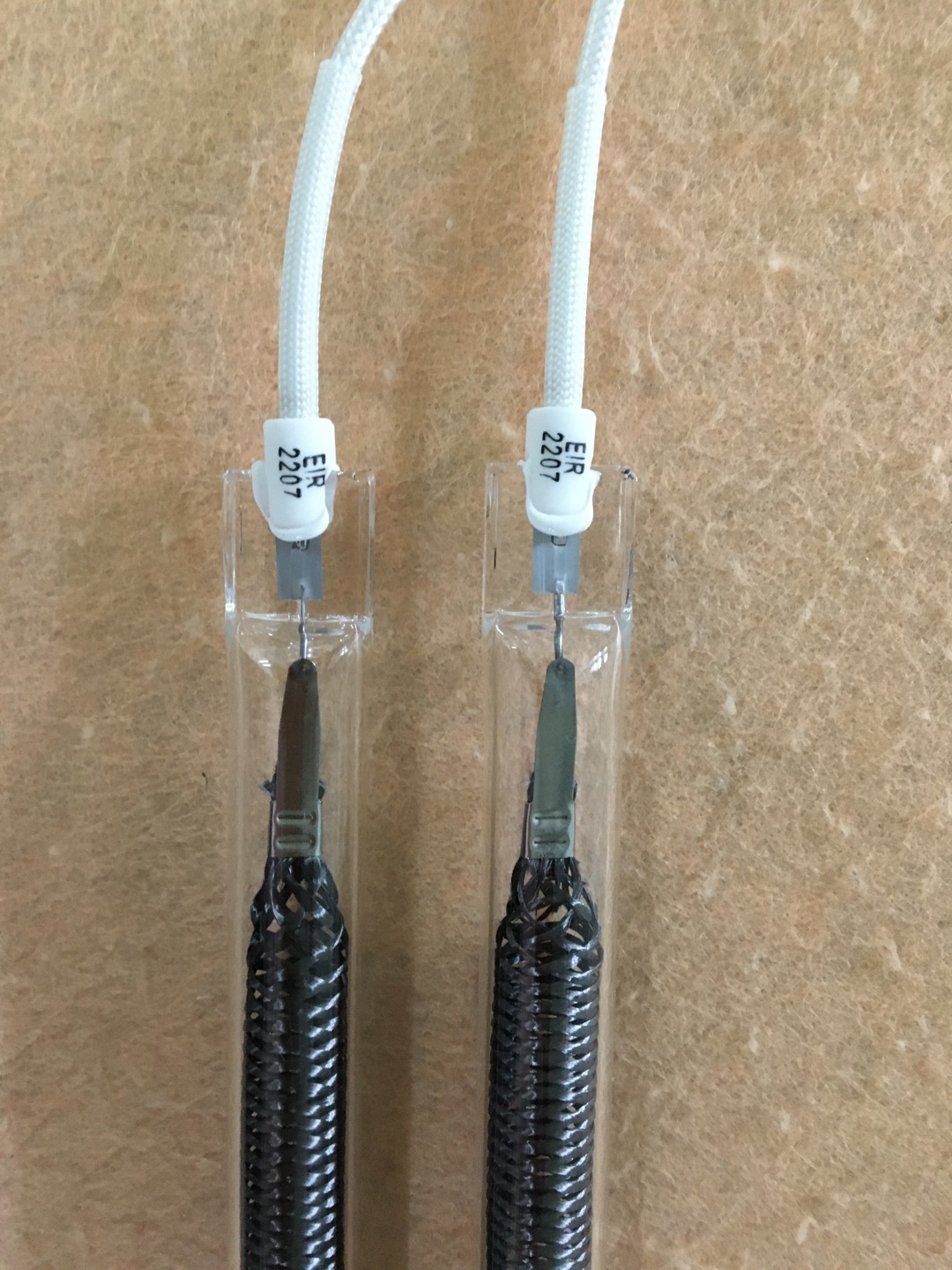
Let’s Talk About the 220V 1500W Carbon Fiber Infrared Lamp
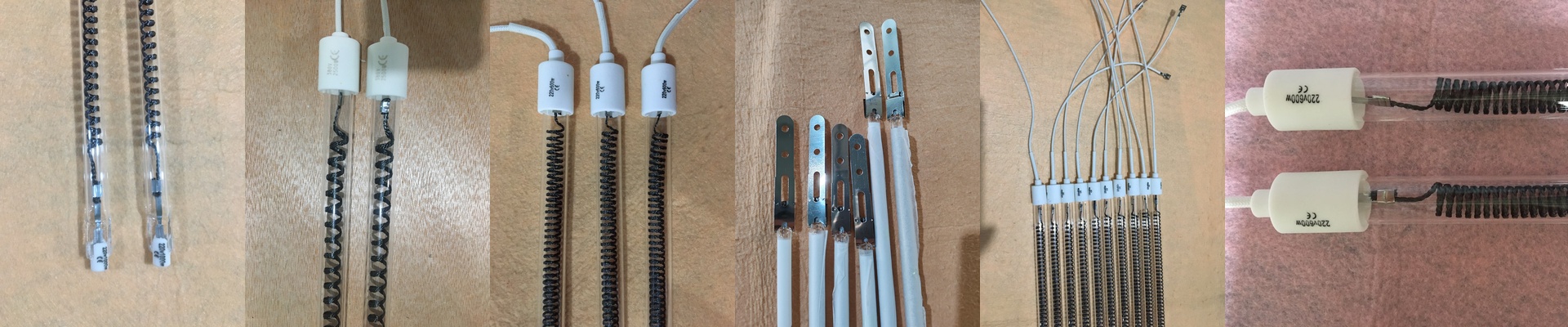
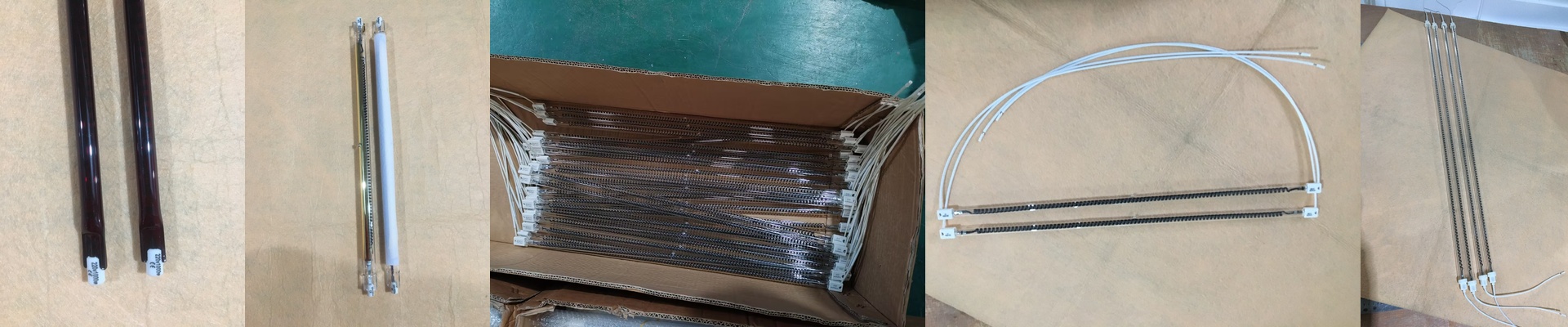
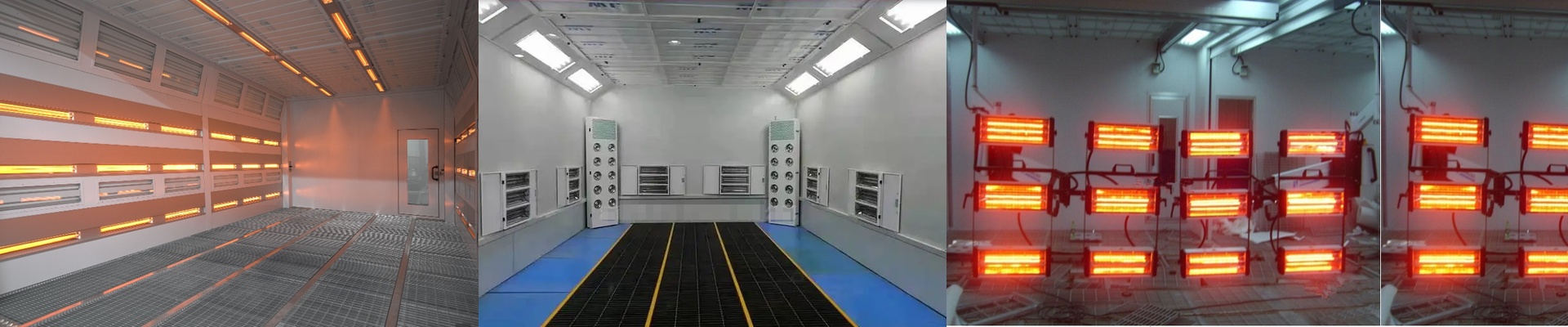
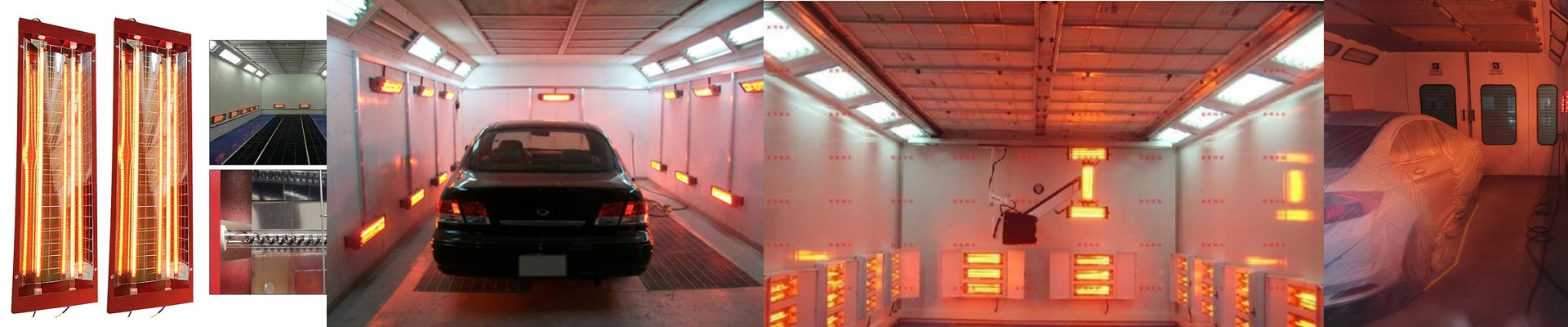
If you need heat—and you need it right now—this is where things get interesting. We built this lamp for those moments when you can’t afford to sit around waiting for a heater to wake up. Most people are used to those old quartz halogen tubes with the tungsten filaments. But we went a different route. We used carbon fiber. The power side of things At 1500W and 220V, this thing packs a punch. It doesn’t just “warm up”; it hits its operating temperature almost instantly. It’s fast. Really fast. And that means you aren’t wasting a ton of electricity just trying to get the process started. One heads-up, though: because it pulls so much power, don’t cut corners with your wiring. Make sure your controllers and terminal blocks can handle the current. You don’t want things getting toasted where they shouldn’t be. Why carbon fiber? Here’s the thing about carbon fiber: it handles the “on-off-on-off” cycle way better than metal. Metal filaments tend to get tired and burn out when you cycle them frequently. Carbon fiber just rolls with the punches. It handles the expanding and contracting of the heat without breaking a sweat. The heat it puts out is also different. It hits the medium-to-long wave spectrum, so it penetrates materials in a way that feels more natural and effective. Just a pro tip: the quartz glass protecting the element is sensitive.**Keep your fingers off the glass.**The oils from your skin can create hot spots, and that’s a one-way ticket to a cracked tube. Putting it to work Whether you’re running a drying line, a curing oven, or messing with plastics, these lamps just fit right in. You can usually swap out your old, sluggish heaters for these without any drama. But since 1500W is pretty aggressive, give the lamp some room to breathe. If you trap too much heat around the ends, you’ll fry the seals and kill the lamp’s lifespan. If you want total control, hook it up to a PID controller. It lets you dial in your temperature zones perfectly, so you don’t accidentally melt your workpiece. It just keeps everything stable and predictable.