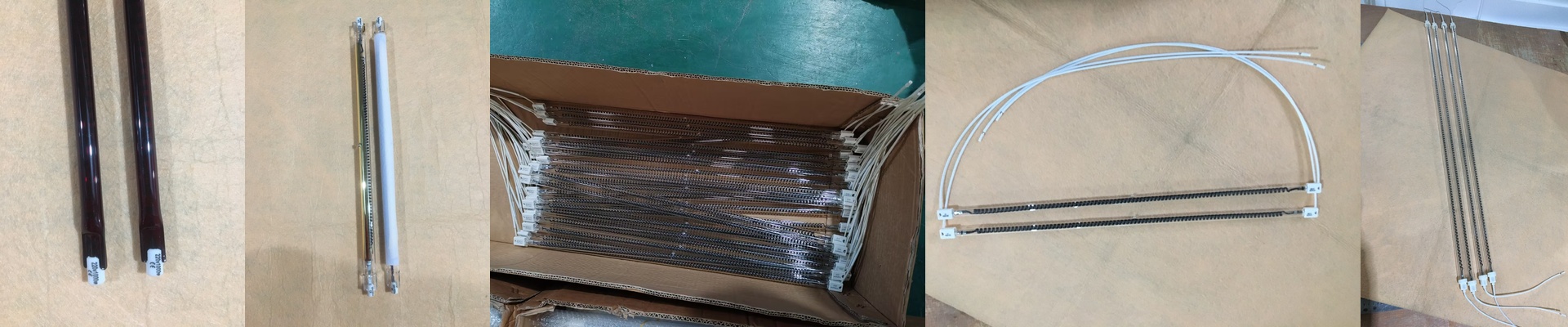
The 1500W Carbon Fiber Infrared Heat Lamp: Built for the Real World
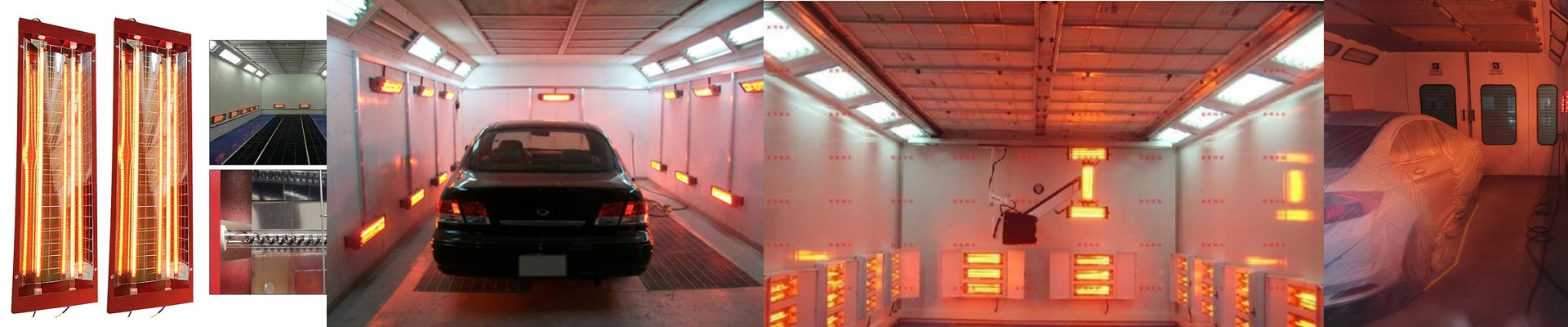
We built this 1500W carbon fiber infrared heat lamp for the places where precision and speed aren’t just nice-to-haves—they’re non-negotiable. Think industrial process heating where the clock is always ticking, and a slow heater just isn’t an option. And that 235V rating? It’s not some random spec we threw on the box. It’s a deliberate choice. It’s there because we know a lot of European and Asian plants run on 235V, and we wanted this lamp to plug in cleanly—no extra transformers, no headaches. Just a straight, simple connection.
What it does, and why it matters
Here’s the thing about this 1500W power rating: it’s not overkill, but it’s not weak either. It hits that sweet spot for medium-load heating jobs—curing adhesives, drying coatings, pre-heating molds. You get a strong, focused blast of heat right where you need it. And because it runs at 235V, the current draw stays predictable. That makes it a breeze to work into your existing control panels. No guesswork. No surprises. Plus, the whole thing is built to fit. The tube is short, so it slips easily into tight reflector assemblies and cramped heating zones. You get pinpoint heat without wasting energy all over the place.
The heart of the machine: carbon fiber
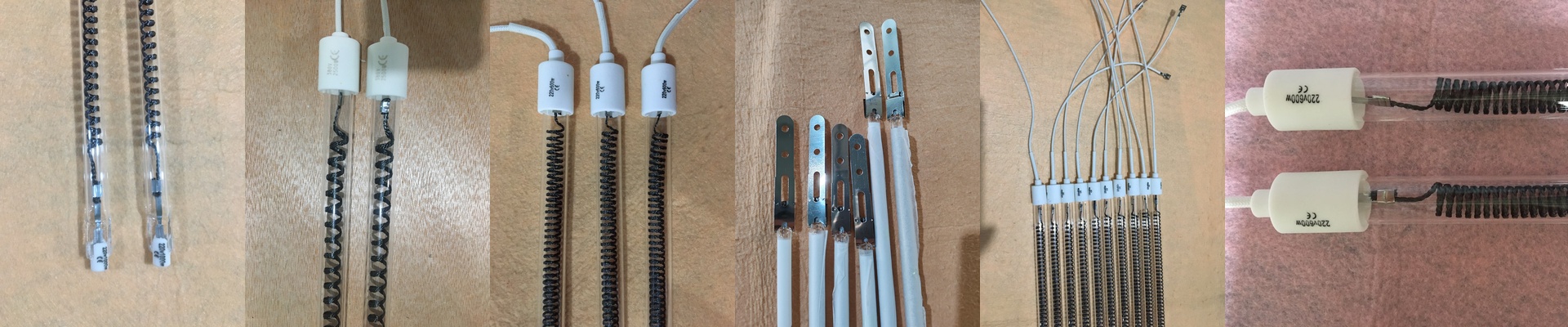
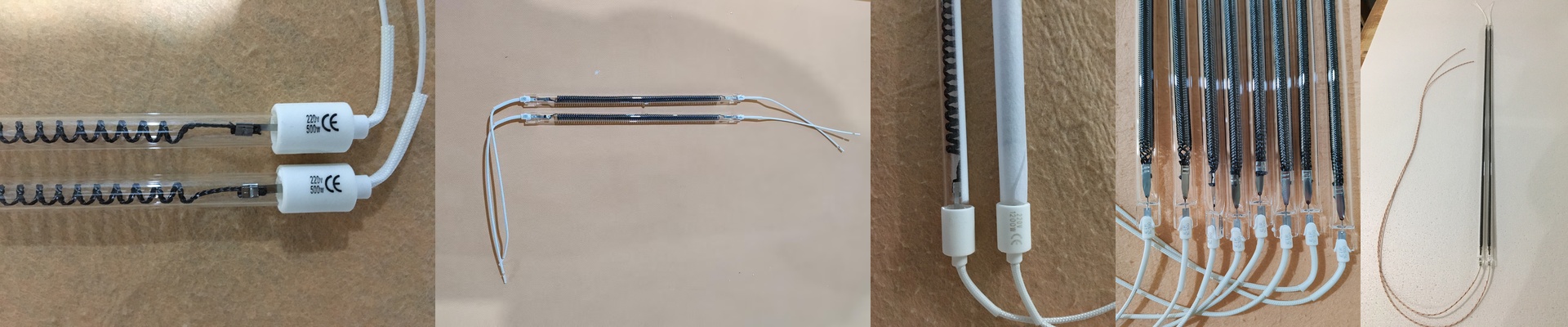
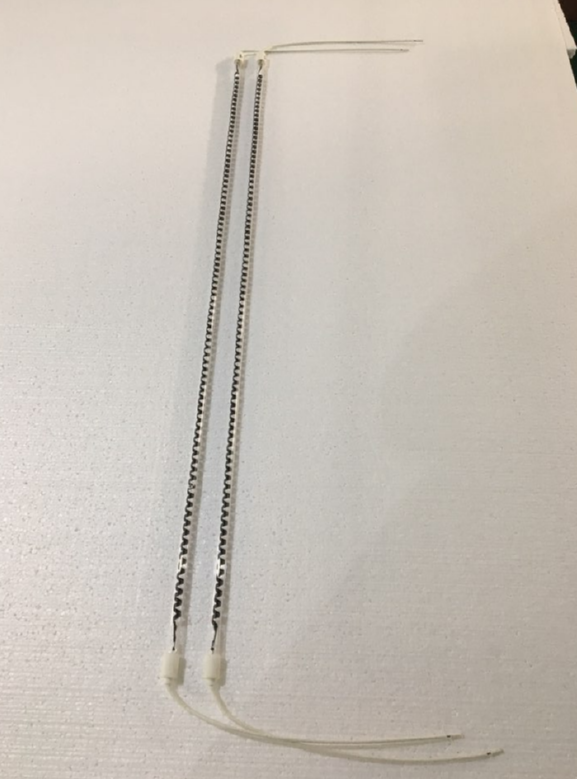
We went with carbon fiber infrared elements for a reason. They heat up fast—like, really fast. And they hold their resistance steady, even when the temperature climbs. Unlike old-school coiled-wire heaters, the carbon fiber design spreads the heat out evenly across the infrared spectrum. That means surfaces warm more uniformly. No more hot spots. No more ruined parts. And the quartz envelope? It’s tough. It shields the element from drafts and contaminants, and it handles sudden temperature shifts without cracking. The R7s base keeps everything lined up tight, even when things expand and contract at high heat. No wiggle, no loosening—just solid, reliable contact.
On the shop floor, where it counts
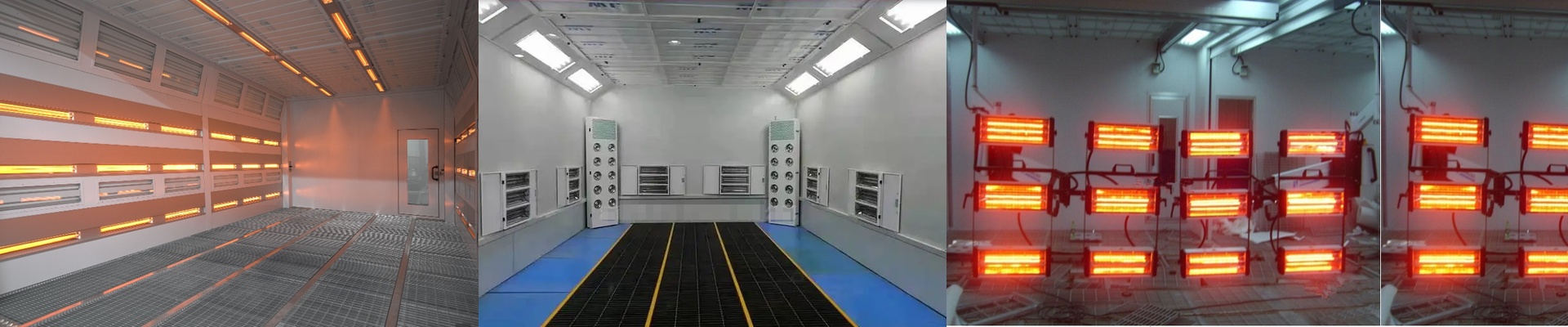
If you’ve been using halogen or quartz infrared heaters, this is a straightforward swap. Seriously. It drops right in, and the fast response time means you hit your setpoint almost instantly. That alone can shave precious minutes off your cycle times. The carbon fiber build is tough—it handles repeated heating and cooling far better than standard wire elements. But like anything that runs hot, it needs a little breathing room. If your reflector or enclosure can’t shed heat properly, the lamp will run hotter, and that shortens its lifespan. So if you’re in a 235V facility, need 1500W of infrared heat, and want something compact that gives you consistent, repeatable temperature control—this is the one. It’s practical, it’s dependable, and it just works.