Getting Your Laminating Lines Right with Quartz Carbon Lamps
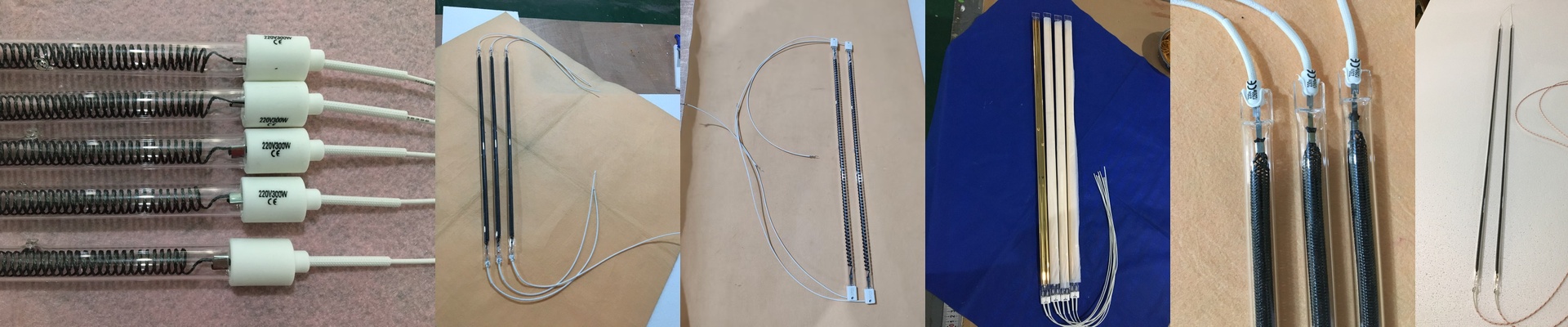
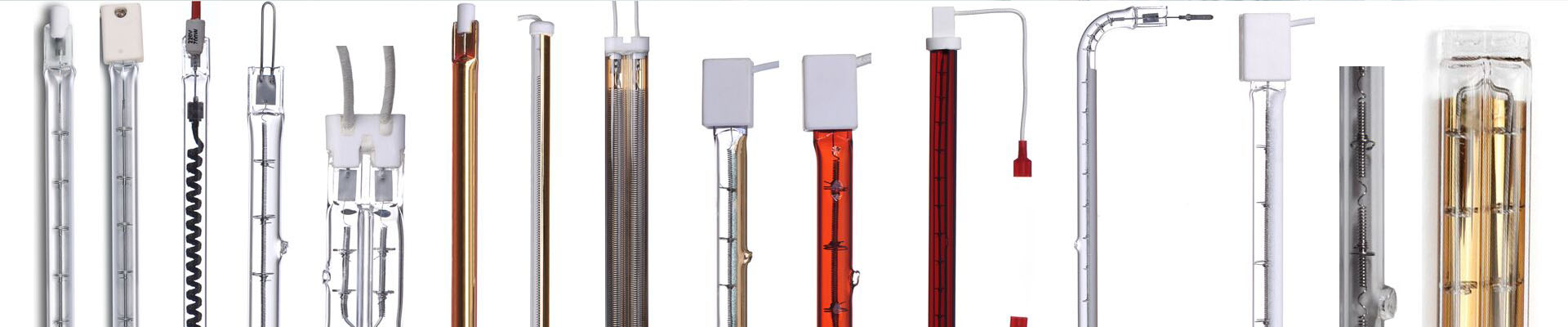
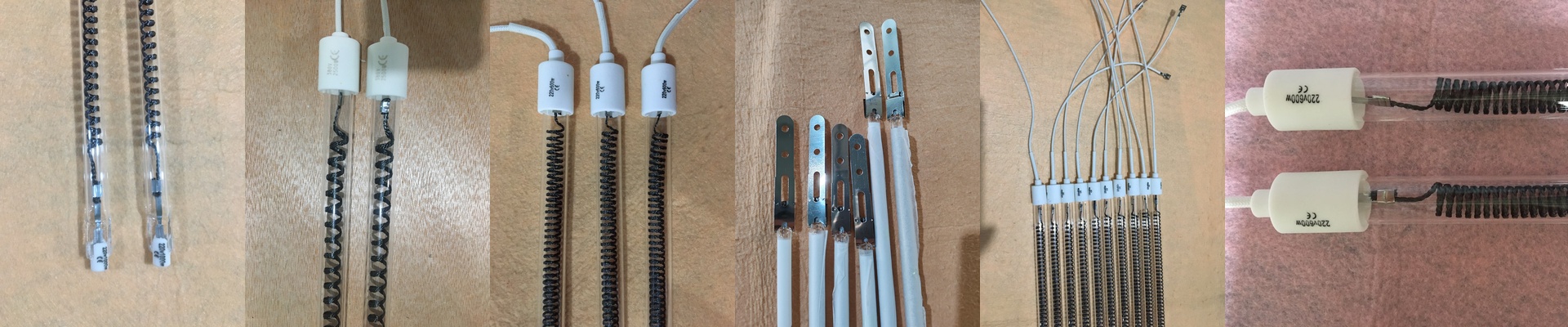
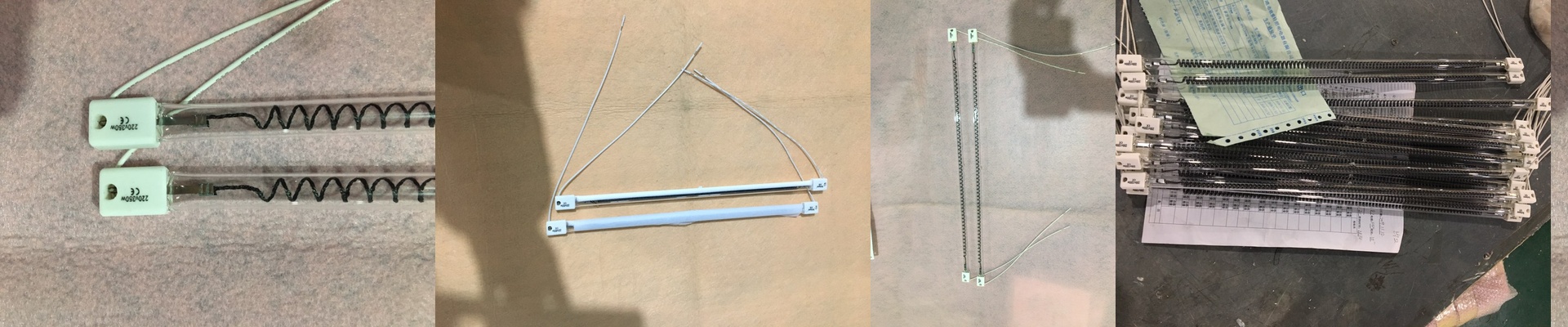
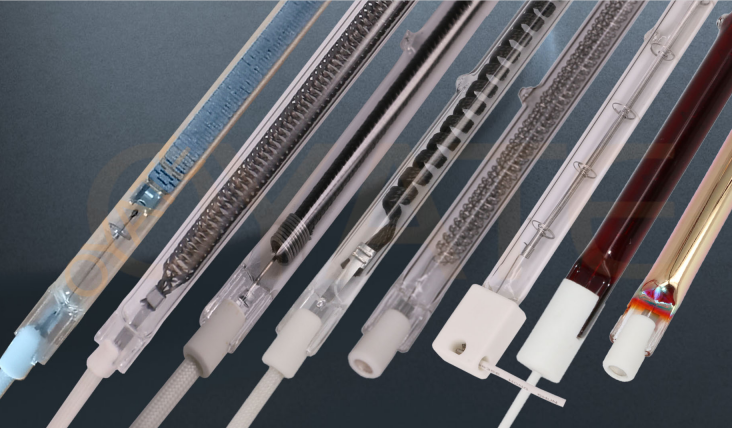
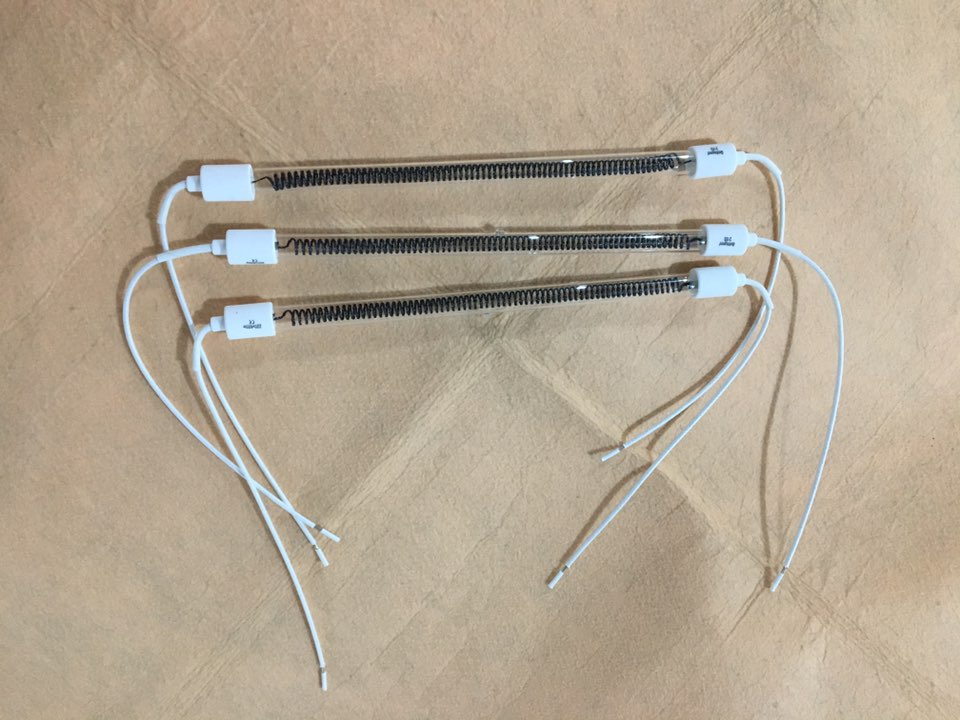
When you’re running a laminating line, you’re basically fighting a clock. You need the film to bond instantly, but if you overdo it, you’ll ruin the substrate. That’s where these quartz infrared carbon lamps come in. Instead of wasting time heating up all the air around the machine, these lamps shoot short-wave IR radiation straight into the material. It’s direct. It’s fast. And it gets the job done without the fluff. Let’s talk power and voltage. The wattage is what really drives your line speed. Want to move faster? You’ll need more power density. But here’s a heads-up: if you go for a high-power setup, make sure your control system can handle that first big surge of current when you flip the switch. We usually just match the voltage to whatever power rail you’ve already got. It keeps things clean and means you don’t have to cram bulky transformers into an already tight workspace. Why carbon and quartz? We use carbon filaments because they can take a beating at temperatures that would melt standard alloys. This means your lamps hit the target heat in a matter of seconds. Then we wrap that filament in high-purity quartz glass, which lets the IR radiation pass through without getting blocked. As for the fit, we use connectors like R7s or Sk15. They’re basically plug-and-play for most industrial housings. No gaps, no arcing, and no burnt-out connections when things start to expand from the heat. Using them in the real world In a press, these lamps do the heavy lifting—melting adhesives or softening polymers exactly where you need it. You get a consistent cure across the whole web, which is exactly what you want. But look, there’s a catch. Quartz is fragile. One stray piece of debris or a mounting bracket that’s screwed in too tight, and you’ve got a cracked tube. Tell your team to leave a little breathing room. The lamps need space to expand as they heat up, or they’ll just snap.