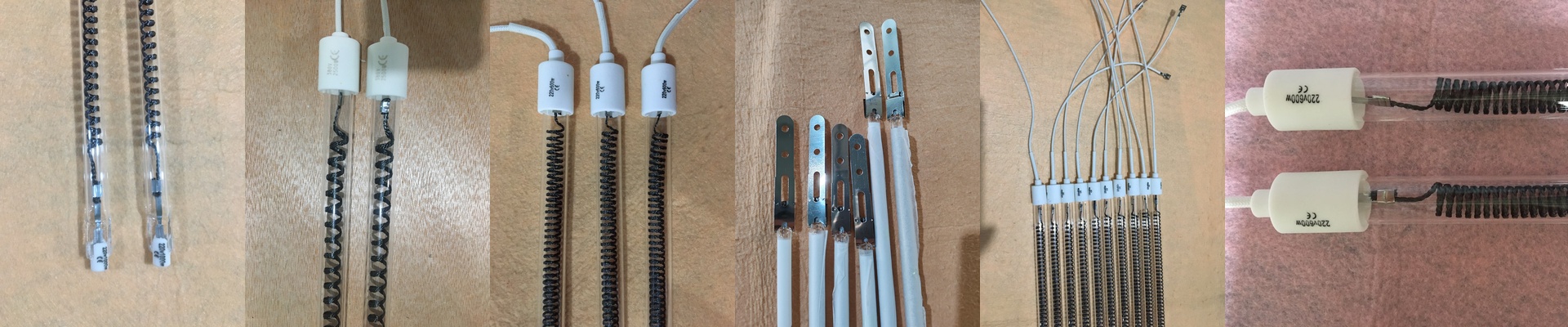
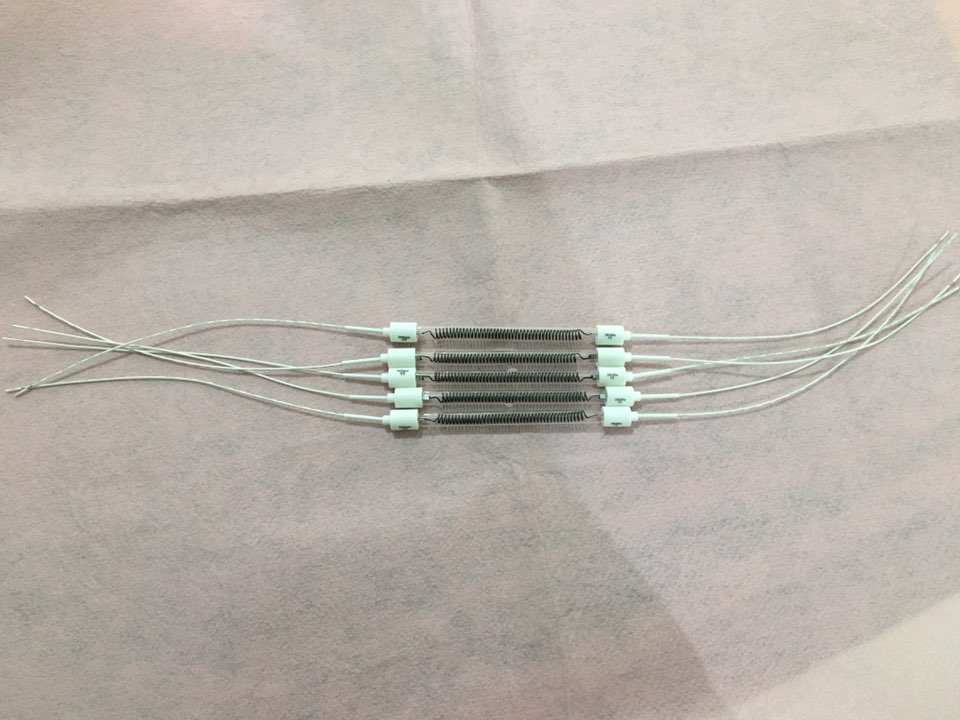
A Real-World Look at Carbon Fiber Quartz Heat Lamps
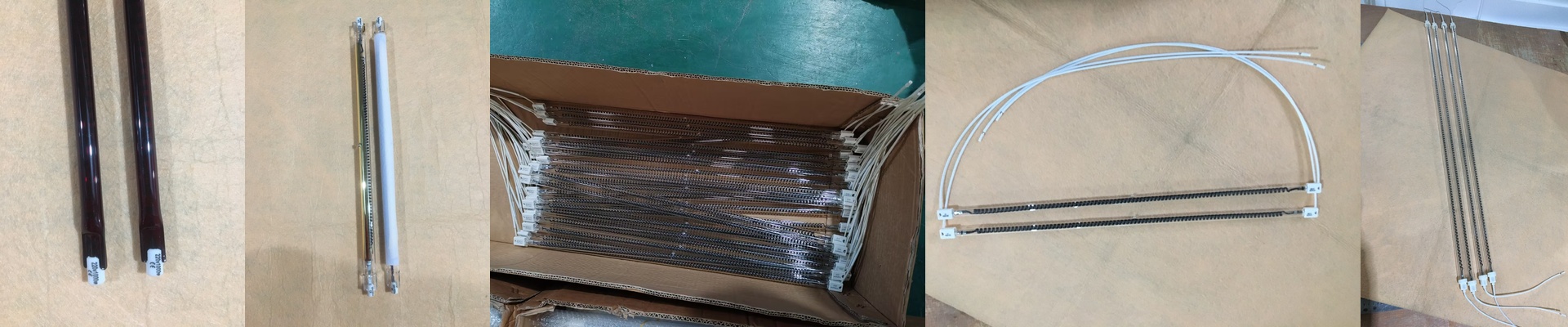
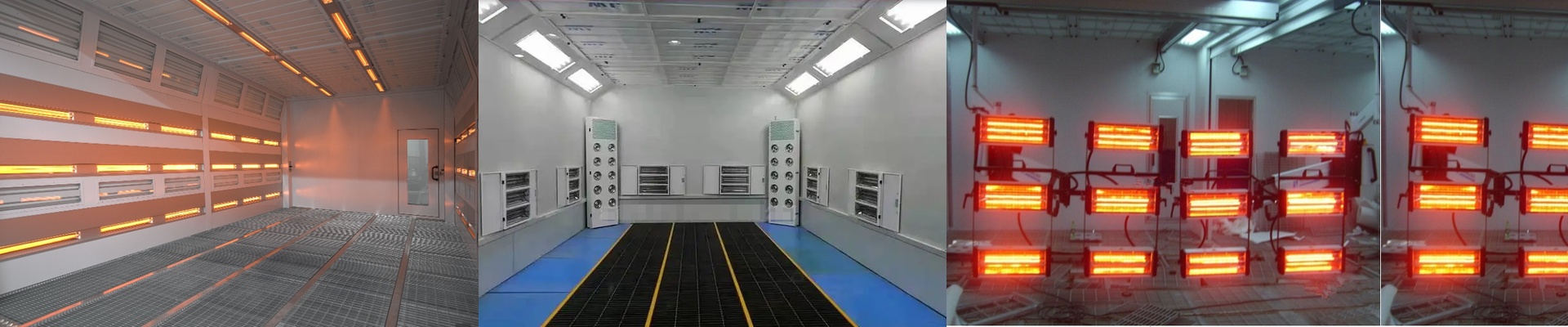
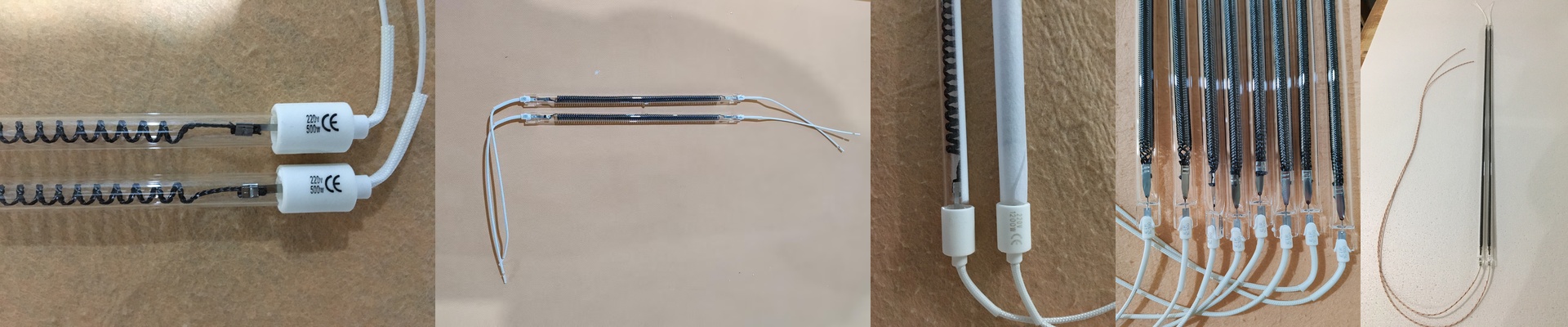
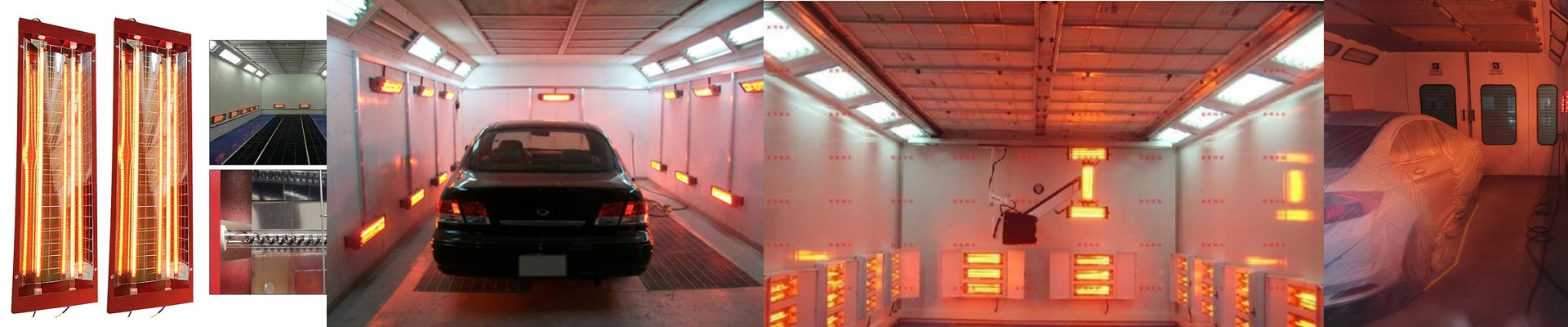
Whenever we talk about targeted infrared heat, we go with carbon fiber filaments tucked inside high-purity quartz tubing. Why? Because standard metal coils can be temperamental. They tend to create “hot spots” that bake the tube from the inside out, leading to early failures or patches of material that just won’t cure right. Carbon fiber fixes that. It spreads the heat evenly across the whole length, so you get a consistent glow and a much longer lifespan. Let’s talk power. Your wattage and voltage basically dictate how much heat you’re hitting your target with. If you’re squeezing a high-wattage tube into a tiny space, you’re cranking up the heat density. That’s great for when you need things to happen fast. But here’s the thing: your wiring and power supply have to be up to the task. If they can’t handle the current draw, you’ll deal with voltage drops. And if you’re pushing these lamps to their absolute limit,**don’t skimp on the cooling fans.**If the ends of the tube get too hot, those seals will blow, and then you’re starting over. What’s actually inside? We use quartz glass because it lets infrared radiation pass through without wasting energy. The carbon fiber elements are the real workhorses here—they can take a beating even when you’re cycling the temperature up and down rapidly. The quartz envelope is there to keep the filament from oxidizing (basically, it keeps the air out). Just a heads-up on the connectors: make sure they’re tight. A loose fit is a recipe for arcing, which will fry your socket in no time. Where this actually matters You’ll see these lamps doing the heavy lifting in PET blowing, paint curing, and plastic welding. If you’re still using old halogen systems, these are a great swap. They ramp up to temperature incredibly fast, which means you aren’t sitting around waiting for the machine to warm up. One last piece of advice: while they’re tough thermally, the quartz is still glass. It’s fragile. If your machine vibrates and the supports aren’t lined up perfectly, the tube can crack.**Check your alignment.**It’ll save you a lot of headaches.