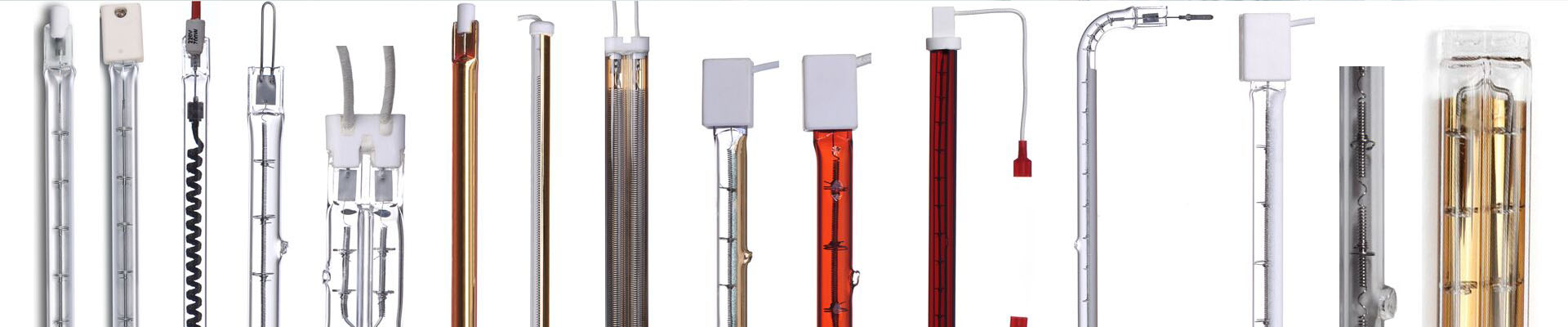
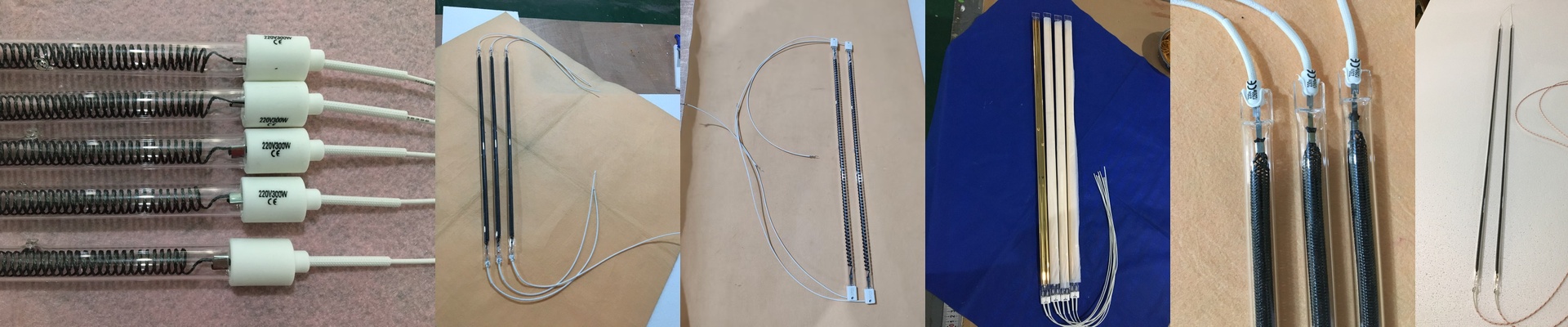
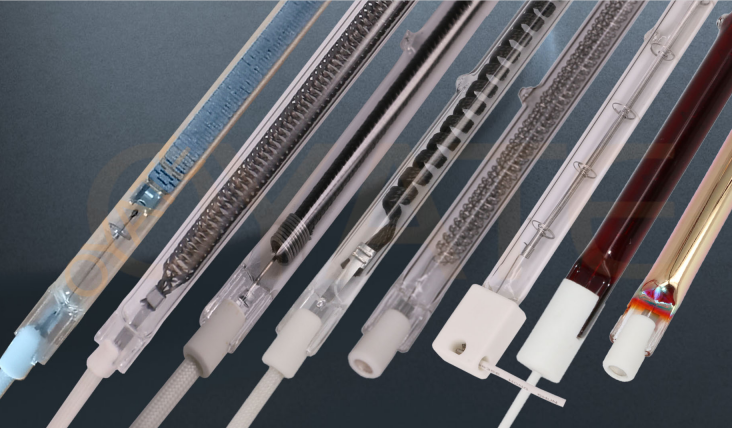
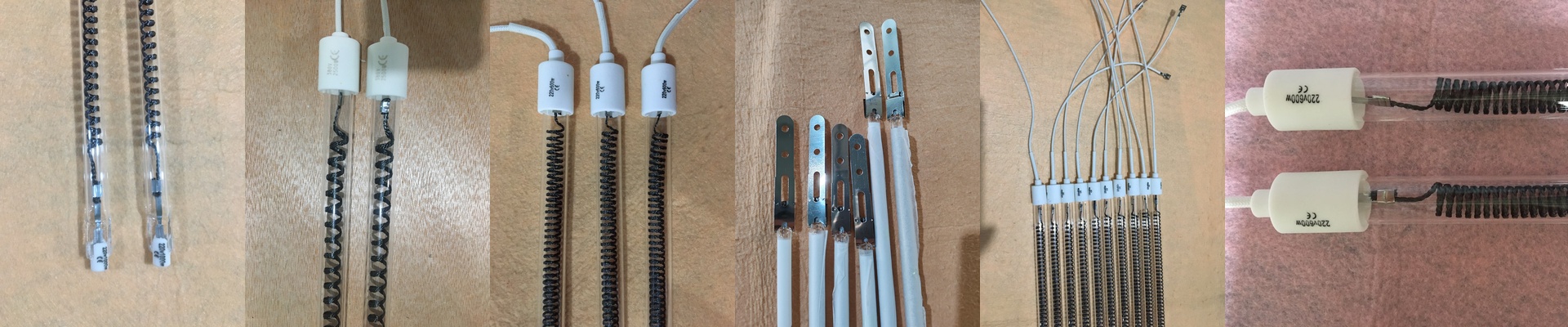
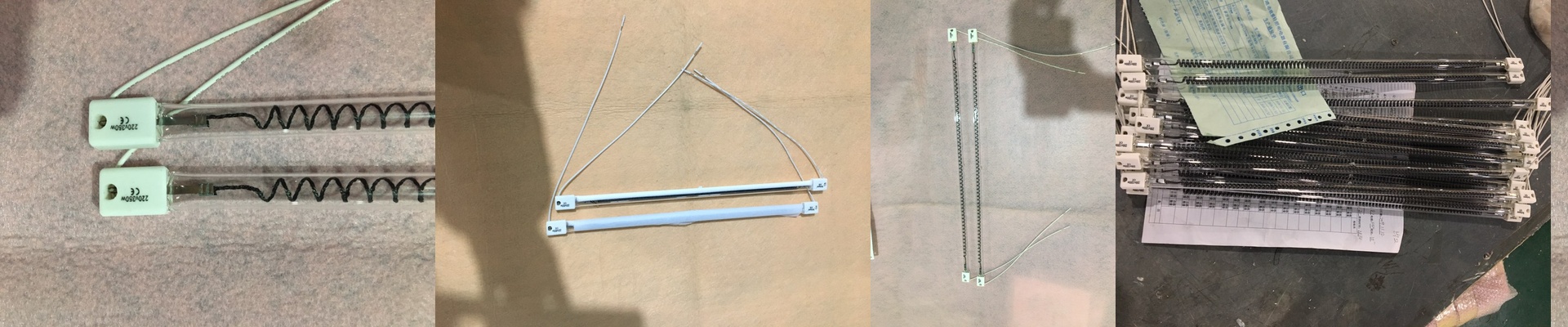
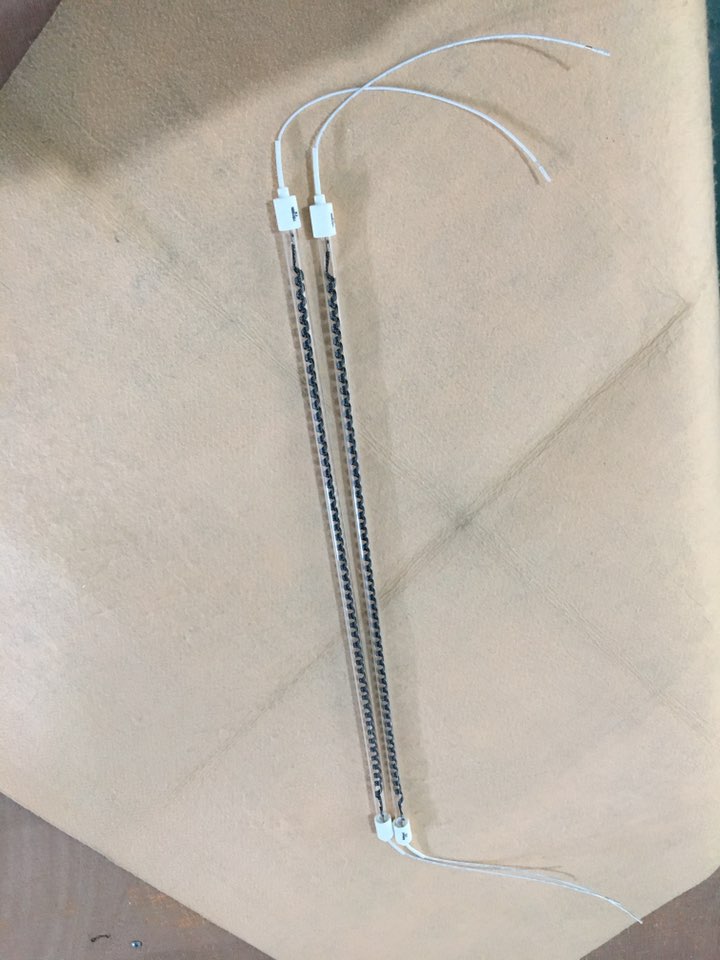
Let’s Talk Carbon Fiber Infrared Tubes
If you’ve ever used standard metal coils, you know they take a minute to get going. Carbon fiber tubes are a different beast. Inside that quartz glass is a carbon filament that turns electricity into heat almost instantly. It’s shortwave radiation, which means the heat doesn’t just hang around in the air—it punches right through the material you’re trying to heat. Getting the power right We build these things to pack a lot of punch into a small space. If you crank up the voltage and wattage, you get a massive amount of heat hitting a tiny area. It’s great for when you need a surface to get hot now. But here’s the thing: you’ve got to match your power supply to the tube’s resistance. If you don’t, you might just fry the filament the second you flip the switch. Not a great way to start the day. The build and the plugs The quartz glass isn’t just for show; it keeps the carbon from oxidizing and burning up. We use high-purity quartz because it lets the IR light pass through without blocking the heat. When it comes to plugging them in, you’re usually looking at R7s or Sk15 connectors. They’re pretty standard, so they should slide right into your existing heating banks. If you want to be able to swap them out quickly during a shift, go with the R7s. If you need something that locks in tight and doesn’t budge, Sk15 is your best bet. Real-world use (and what to watch out for) You’ll see these all over the place in PET blowing or when people are curing automotive paint. Because they’re shortwave, the heat hits the target immediately. No wasted energy heating up the rest of the room. But you have to be careful. This kind of heat is intense. If the tube expands unevenly or someone bumps into it, that quartz glass can crack. My advice? Use mounting clips that give the tube some room to breathe—let it expand and contract naturally. And double-check your cooling system. If it can’t handle the ambient heat, your electrical terminals are going to give out way sooner than they should.