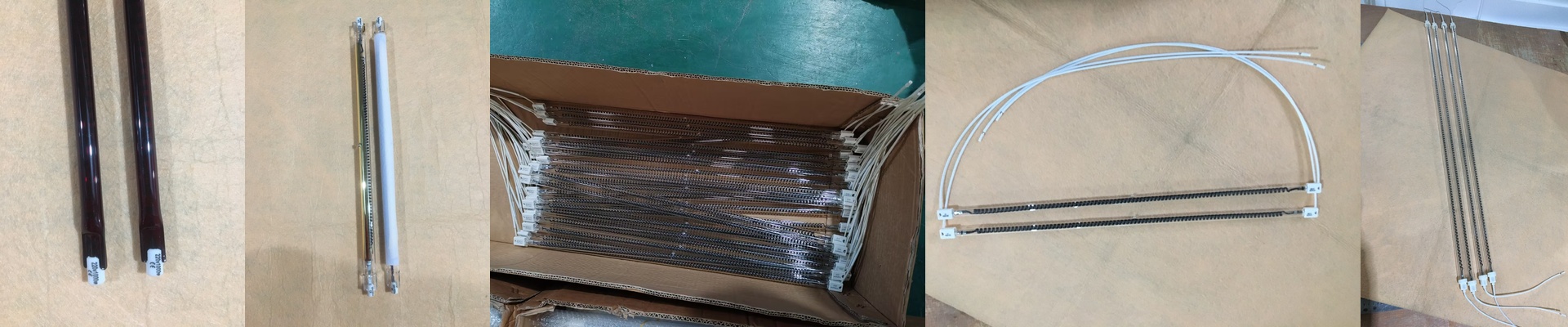
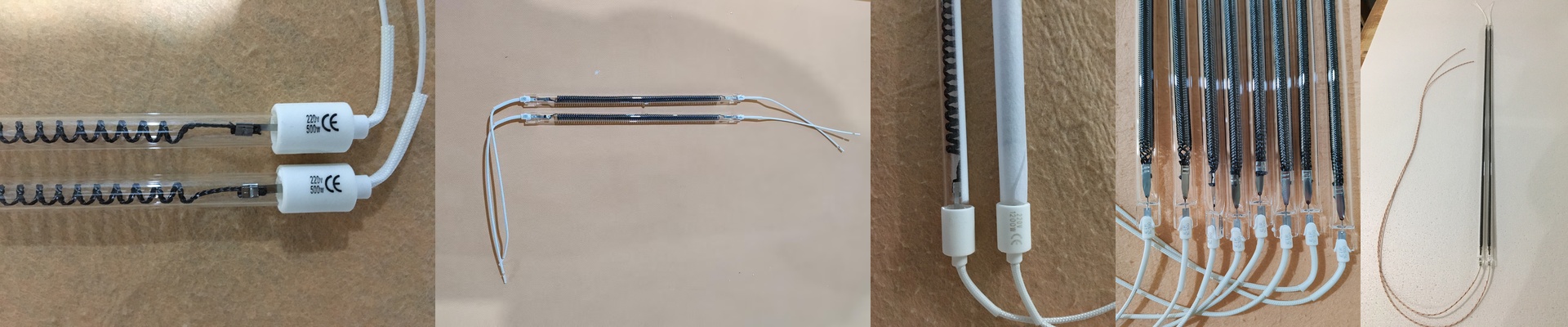
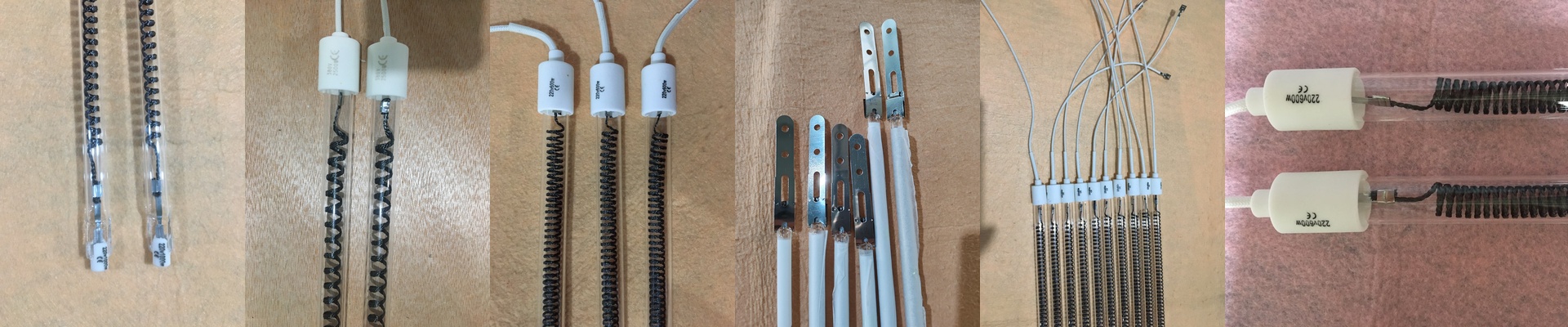
Let’s Talk About Carbon Fiber Quartz Heating Tubes
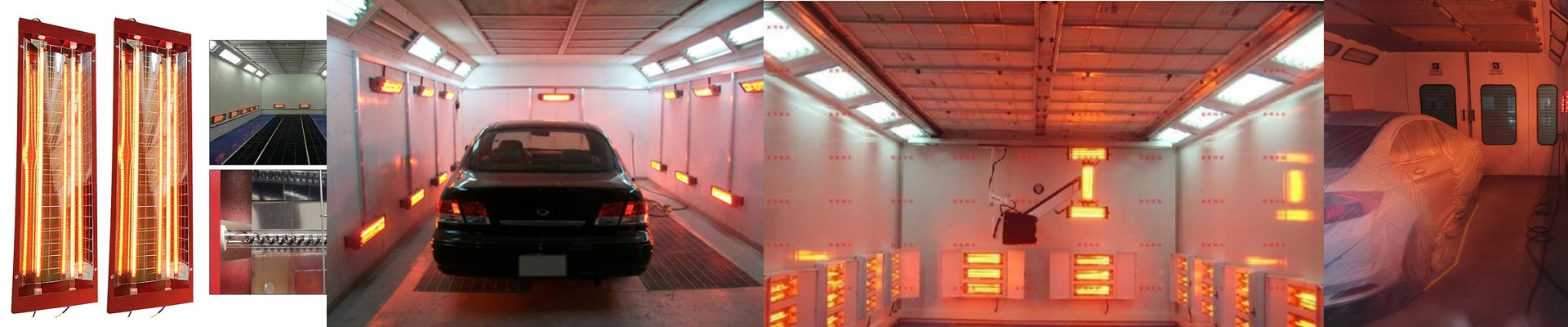
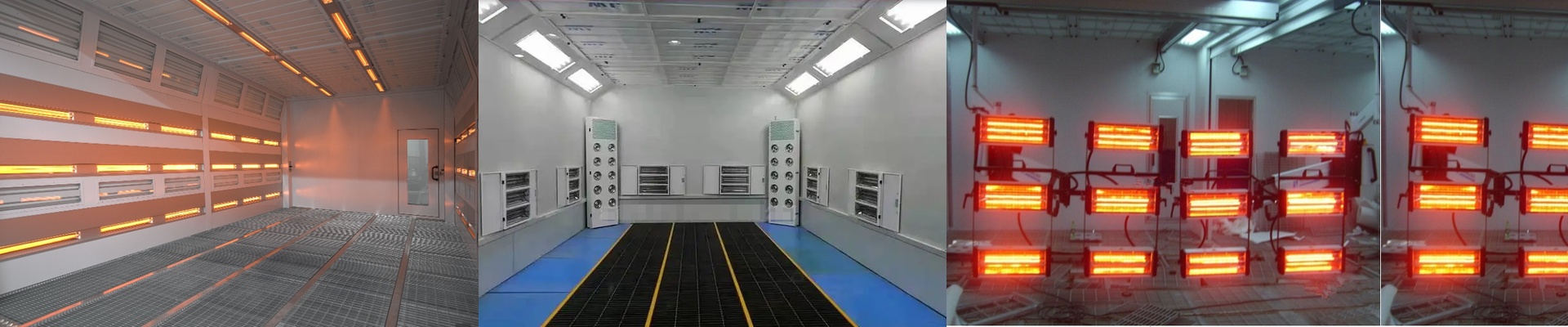
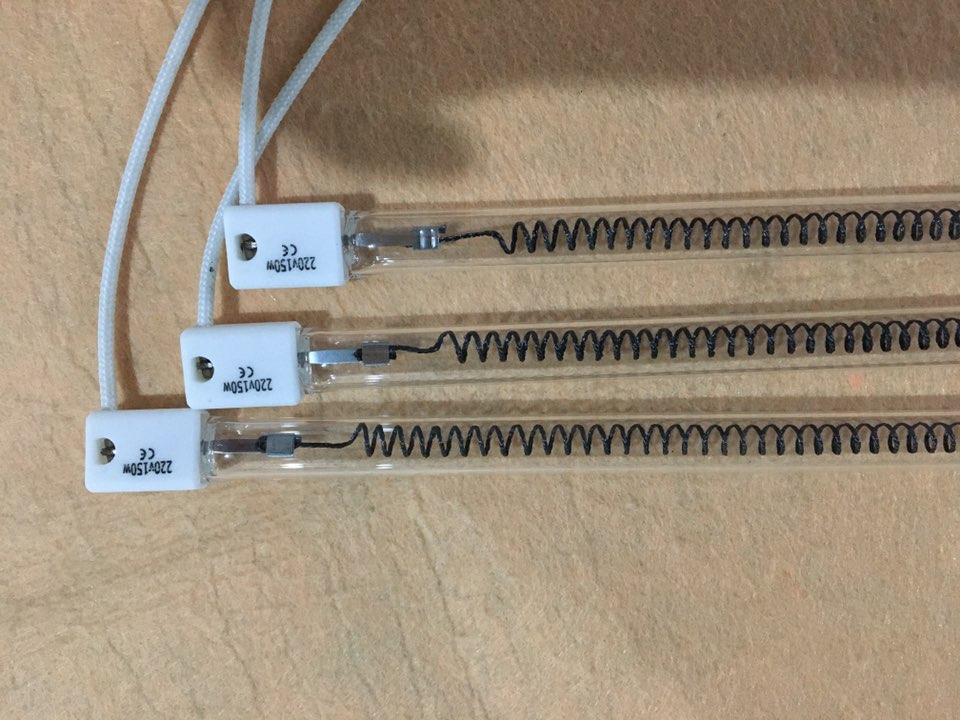
Ever wonder how to get intense, targeted heat without the headache of old-school heating elements? That’s where carbon fiber quartz tubes come in. Basically, we take a carbon fiber filament and wrap it in high-purity quartz. It’s a simple setup, but it works. Because we’re using carbon instead of standard metal coils, we have way more wiggle room with wattage and voltage. You can actually tune the heat density to fit exactly what your process needs. The electrical side of things Here’s the thing about power: voltage and wattage dictate your thermal footprint. If you’re pushing for high-wattage output, your current density climbs. You’ll want to double-check that your wiring and power supplies can actually handle that load. If they can’t, you’re looking at a premature burnout—and nobody wants to deal with that mid-shift. Plus, if you’re running a massive oven array with long cable runs, going with a high-voltage setup is a smart move. It keeps the current draw low and stops those annoying voltage drops. Why quartz and carbon? We use quartz because it lets infrared radiation pass right through and doesn’t freak out when the temperature swings wildly. Then there’s the carbon fiber. It stays strong and holds its shape at temperatures that would make traditional alloys sag or just oxidize away. And we kept the installation simple. We use standard connectors like R7s or Sk15. They just slide right into most industrial housings. No need to spend hours custom-machining parts just to get your system wired up. Real-world use (and the catch) You’ll see these all over PET blowing, curing, and drying lines. Why? Because they ramp up fast. Really fast. The short-wave radiation digs deeper into your materials than standard convection ever could. But wait—there is a trade-off. These tubes put out some serious, localized heat. If your cooling fans or heat sinks aren’t up to the task, that heat soak will start eating away at your surrounding electronics. You get that lightning-fast heating, but you lose a bit of that easy ambient temperature control. Just something to keep in mind when you’re mapping out your layout.