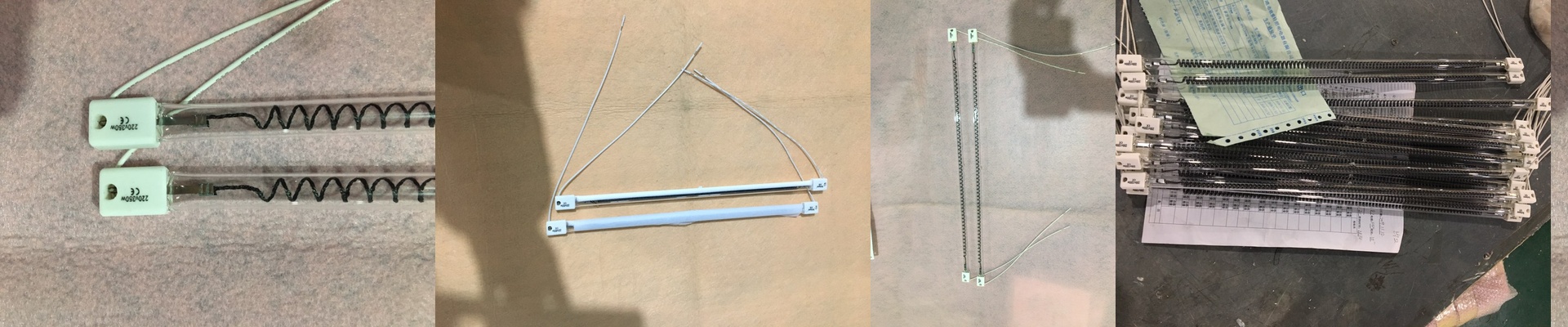
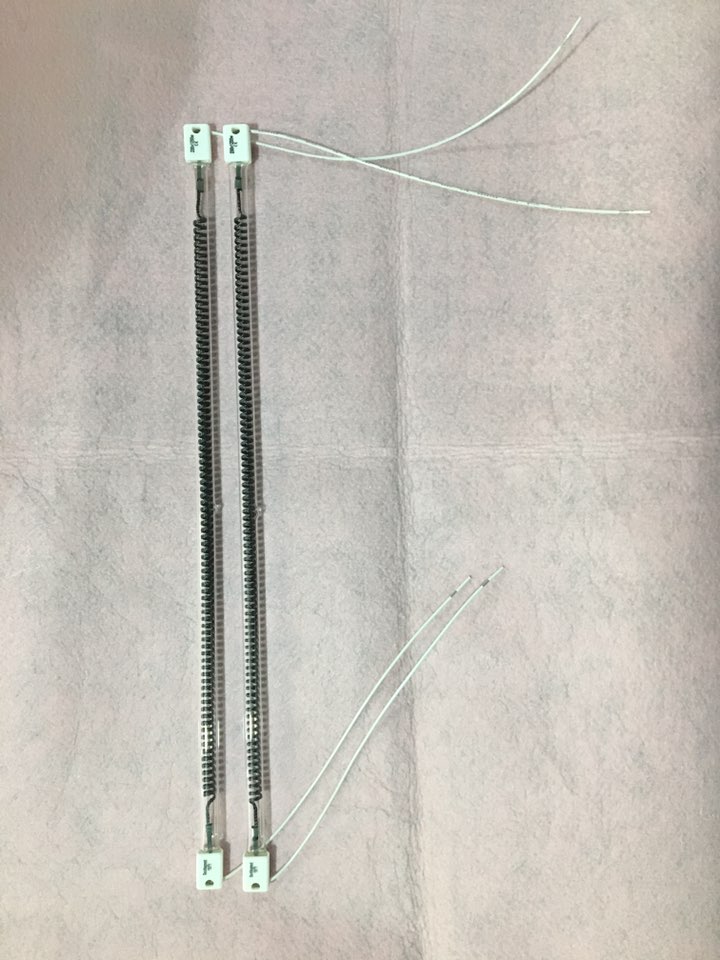
Pear Shape Carbon Fiber Infrared Heaters: Power, Design, and What It Actually Does for You
Let’s cut to the chase. We built the pear shape carbon fiber heater for places that need serious, focused heat—right now. This isn’t your everyday space heater. It’s a tool, designed for jobs where you’ve got a target temperature, and you need to hit it fast and hold it steady.
The power behind it: fast heat, tight control
At the heart is the carbon fiber heating element, usually set up for high voltage (think 400V) so it can pack a lot of power into a small space. A 300mm tube putting out 2500W? That’s a serious amount of heat density. And that density is exactly why it responds so quickly. Warm-up time drops. Cycles speed up. You feel that efficiency in the rhythm of your equipment—less waiting, more doing. But here’s the thing: with that kind of concentrated power, your machine’s thermal management has to be up to the task. If the area around the heater runs too hot, the controls have to work overtime just to keep setpoints steady, and that can shorten component life. So yes, it’s powerful—and it asks for a system that can handle that power intelligently.
Built to survive, built to perform
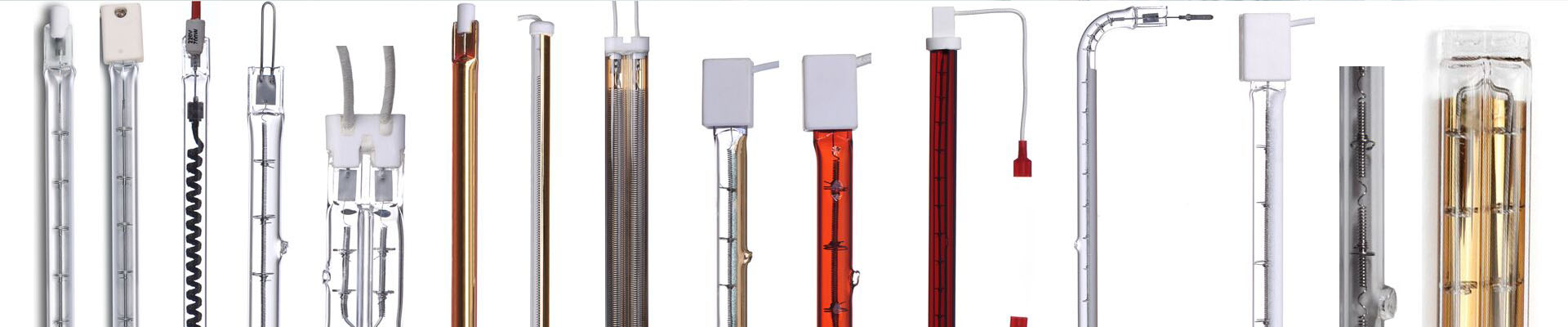
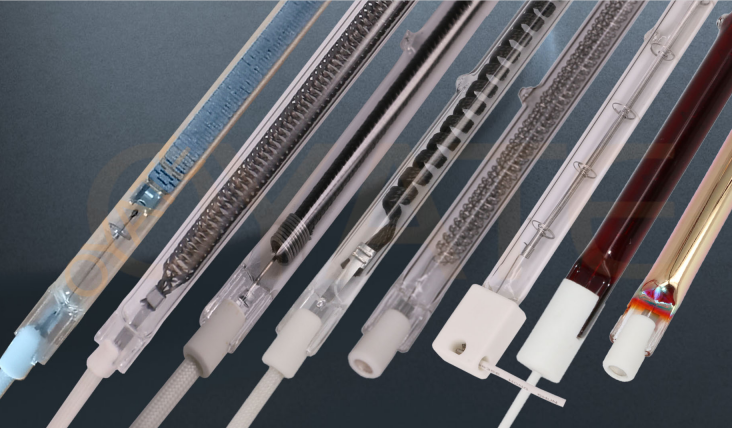
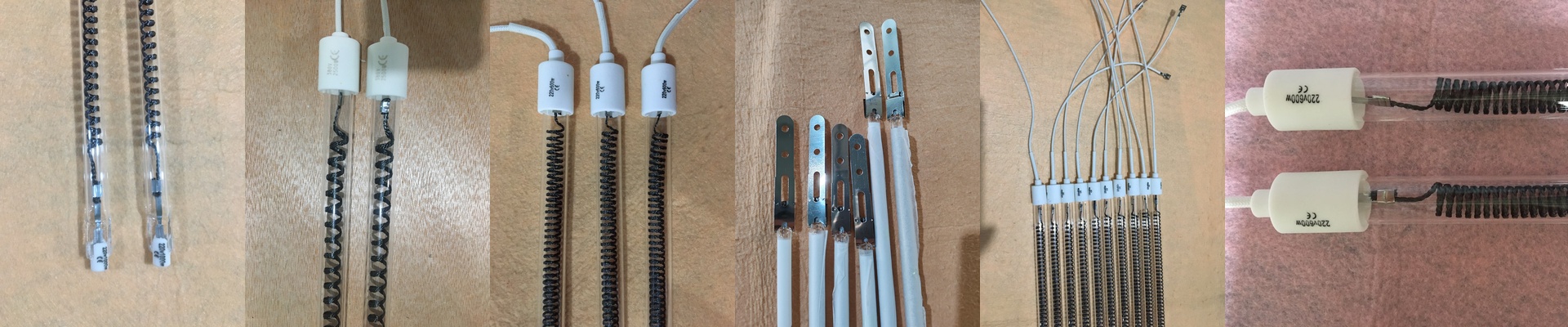
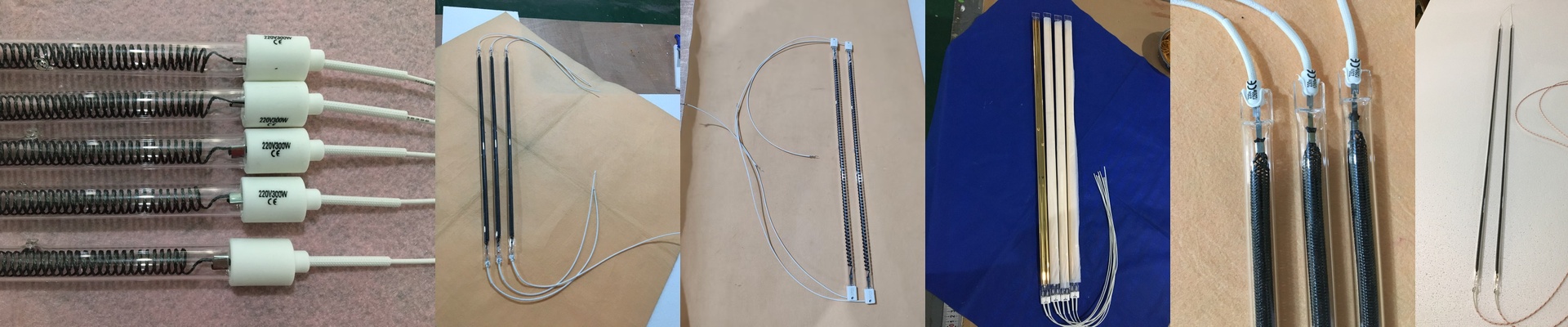
The envelope is quartz, filled with halogen. Why does that matter? It keeps the element stable, fights off hot spots, and helps the whole unit last longer. Inside, the carbon fiber filament is tuned for high emissivity, so electricity turns into infrared heat efficiently—no wasted effort. And that pear shape? It isn’t just for looks. It shapes the radiant heat pattern so the energy lands where you need it, on the specific work area. Then there’s the R7s connector—tough, direct, and made for high temperatures. It gives you a secure, low-resistance connection that can take the jolts, vibration, and repeated heating-cooling cycles of a production floor without loosening up or burning out.
Where it shines: the work it was born to do
This configuration is at home in demanding jobs—PET blowing, plastic thermoforming, and other material processing tasks. The high wattage density means you’re heating the product directly, not the air around it. That’s the kind of focus that cuts cycle time and trims energy waste.
Drop it in, get to work
We build these to be straightforward replacements. Wire it up, set your parameters, and the system does its job. The halogen-filled quartz, the carbon fiber core, and the R7s connection work together so you get heat you can rely on—without the constant interruptions and maintenance headaches.