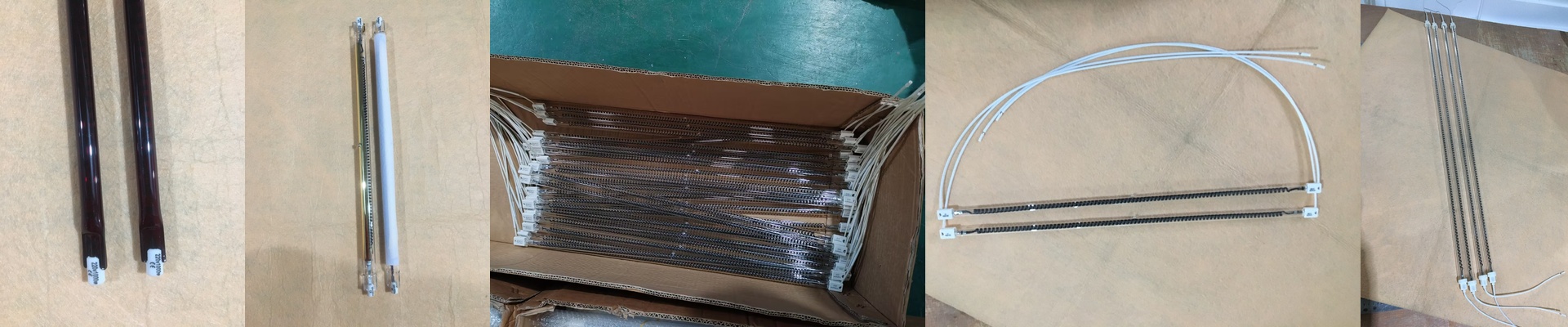
Let’s talk about Carbon Fiber Heat Lamps
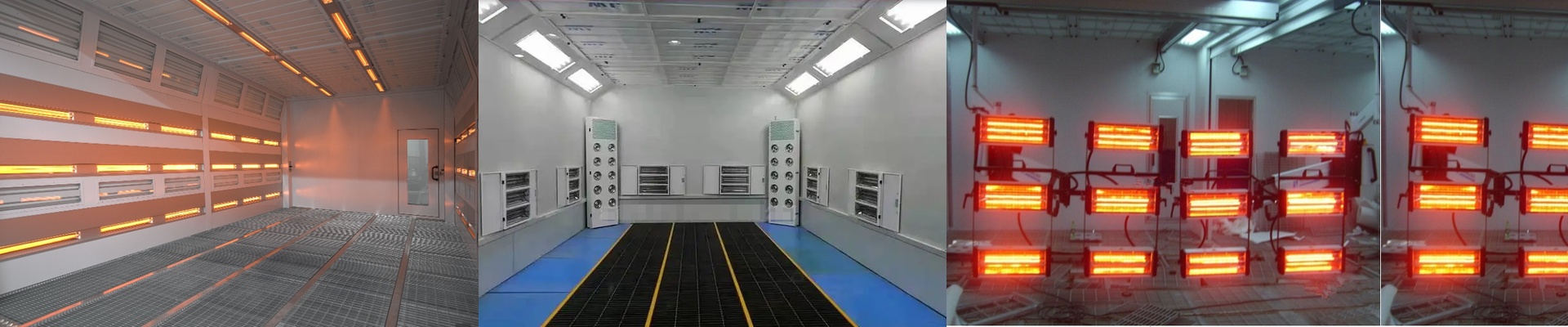
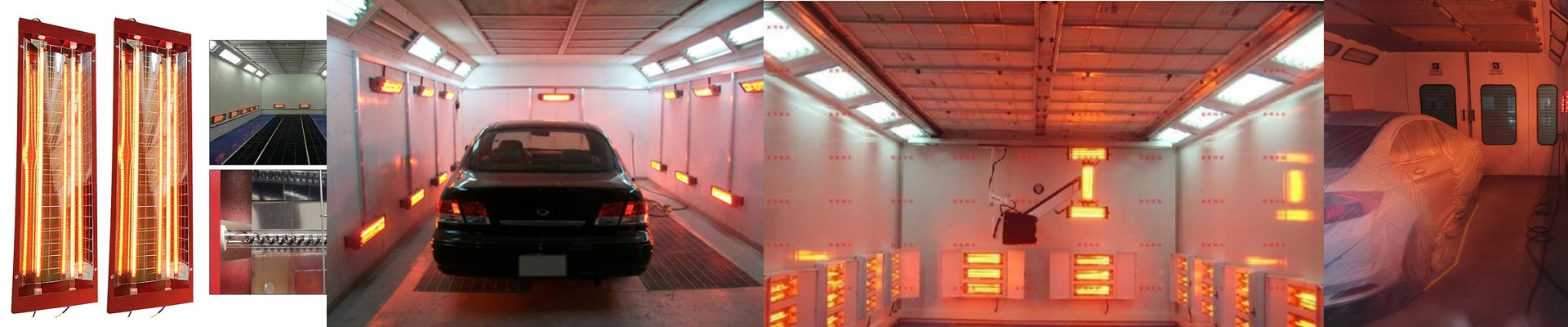
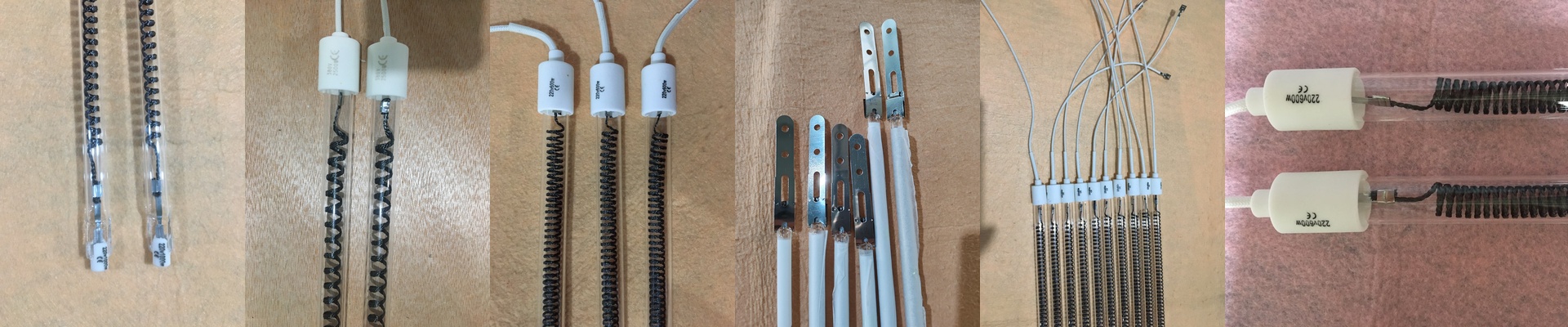
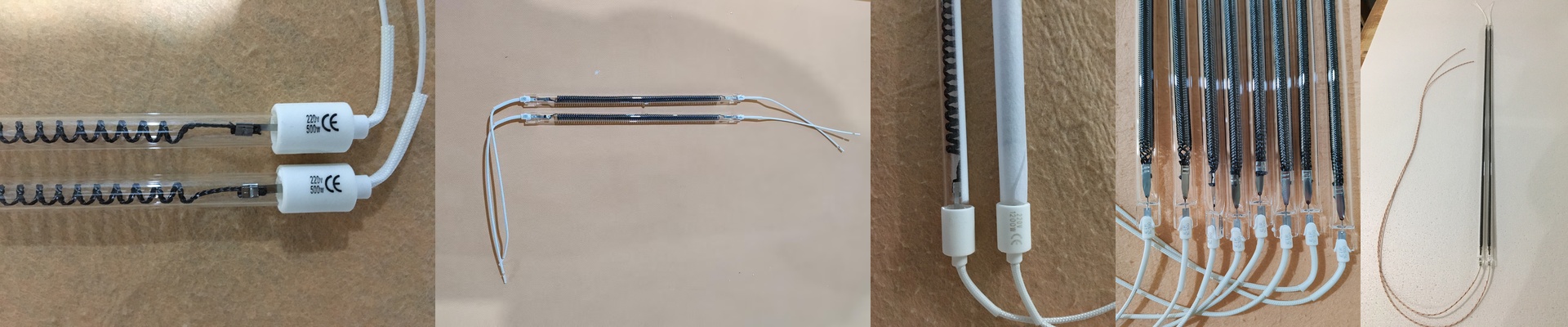
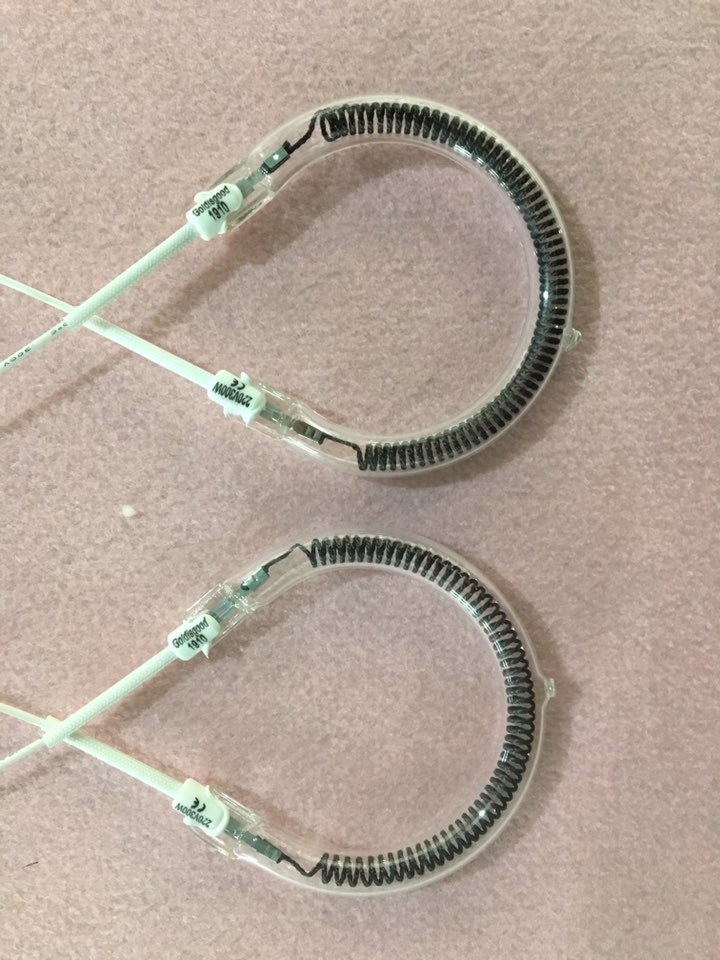
We build these for the tough jobs—the kind of high-intensity heat where those standard metal filaments just give up and snap. The secret is the carbon fiber element tucked inside a quartz tube. Because we’re using carbon, we can crank up the wattage in a much smaller space. You don’t have to worry about the filament sagging over time, which is a huge headache with traditional coils. Power and the “Quick Start” When you’re picking your specs, remember that the balance between voltage and wattage is what actually drives your heat. The best part? These things ramp up fast. Like, really fast. Your system hits operating temperature in seconds, not minutes. Just a heads-up: keep your power supply steady. Voltage spikes are the enemy here—they’ll fry the element in no time. Make sure your transformer can handle the load, or you’re just asking for a blown circuit. The build and the bits The quartz tube isn’t just for show; it keeps the carbon from oxidizing. We can also add different coatings depending on what you need. For example, a gold or reflective coating pushes the heat exactly where you want it, which keeps the rest of the lamp housing from getting too hot to touch. As for the wiring, we stick to the basics like R7s or Sk15 connectors. They just work. They slide right into most OEM machines without a fight. And please, make sure they’re snug. A loose connection creates a hot spot, and that’s a quick way to melt your socket. A few things to watch out for Now, these lamps pack a serious punch. They’re incredible for PET blowing or fast curing. But there’s a catch. Quartz is fragile. It can’t take a beating. If your machinery shakes or vibrates a lot, you’ll need dampened mounts, otherwise, you’re going to see cracks in the glass. And one last thing—all that heat doesn’t just go toward your product. It warms up everything around it. Double-check your cooling fans. If you skimp on the airflow, you might end up frying your control boards.