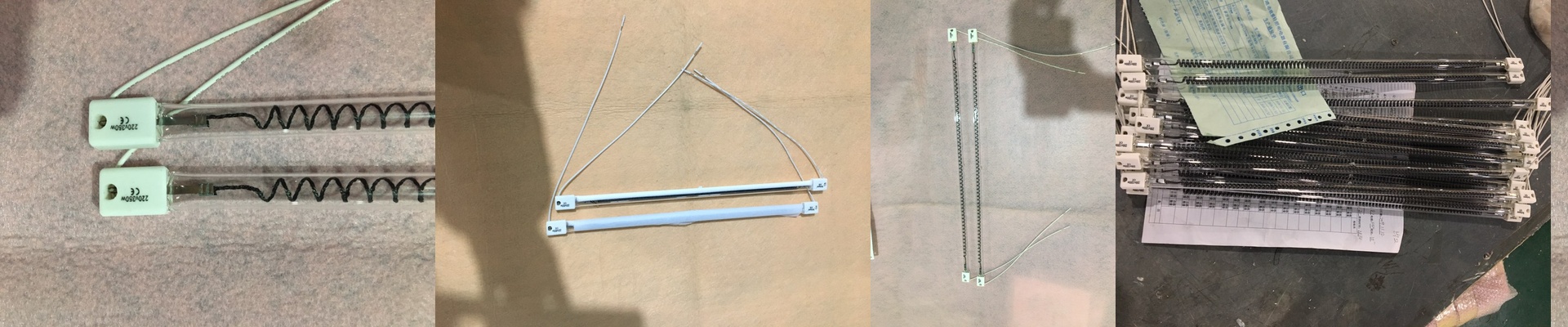
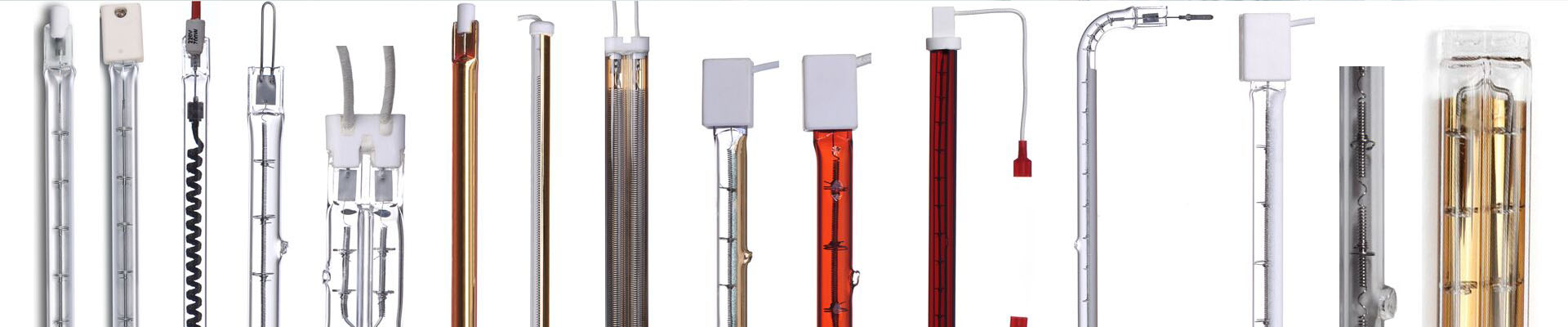
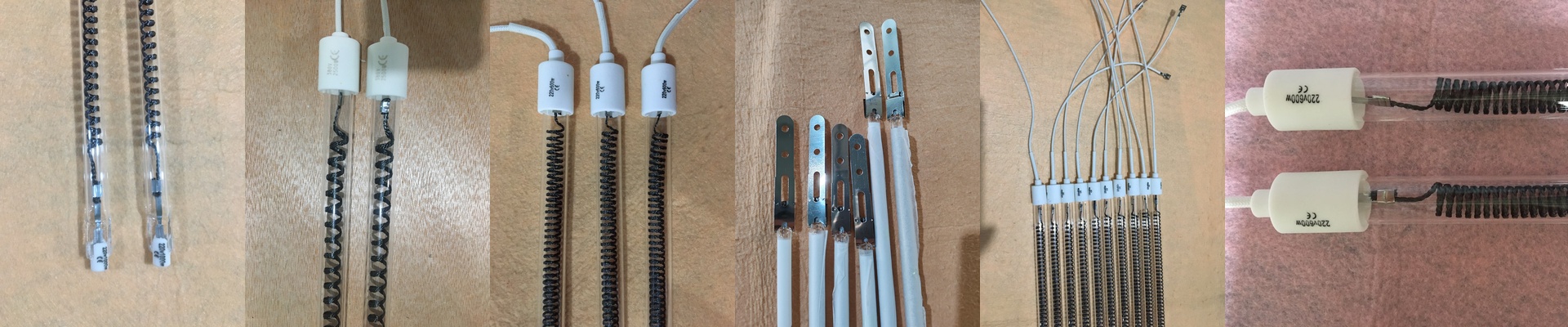
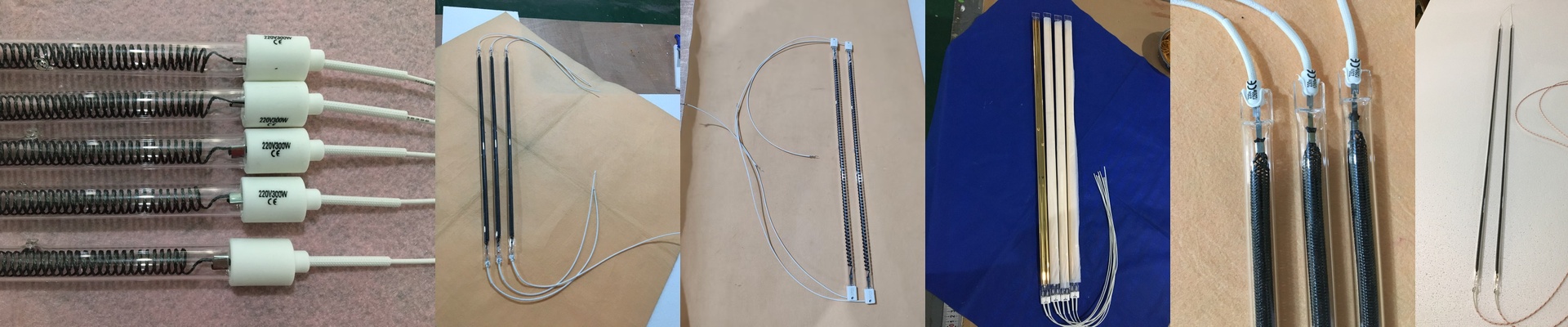
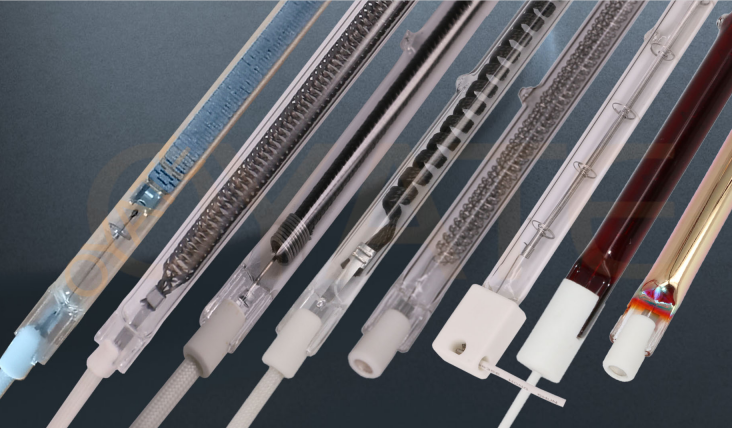
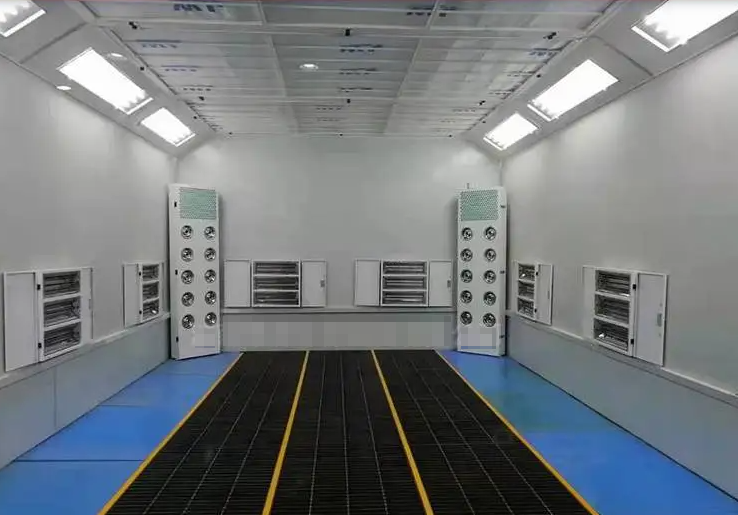
Ever wonder why some brakes just won’t stop squealing? Most of the time, the problem actually starts in the curing oven. If your friction materials don’t cure evenly, you end up with internal stress and weird density gaps. That’s where the vibration comes from. That’s where the noise comes from. To fix it, we use short-wave infrared (SWIR). It stops the problem before the pad even leaves the line. Here is the thing about standard convection ovens: they heat from the outside in. By the time the core is actually cured, the surface is already overbaked. Short-wave IR is a different beast. These waves dive deep into the material, heating the center and the surface at the same time. You get a consistent, solid cure all the way through. No “skin effect,” no warping, and way fewer headaches. To make this work, we use high-wattage halogen quartz lamps. They pack a massive amount of energy into a tiny space, so you can hit your target temperature in seconds. But it’s not a “set it and forget it” situation. That kind of heat puts a lot of pressure on your power supply. You also have to be obsessive about your zoning. If your reflectors get dirty or slip out of alignment, you’ll get hot spots that just torch the resin. We usually stick with R7s or Sk15 connectors. Why? Because they make swaps fast. Your team can pull a dead lamp and pop in a new one without having to tear apart the entire conveyor belt. At the end of the day, consistent curing means less scrap in the bin and fewer angry customers complaining about noisy brakes. Just keep two things in mind: make sure your conveyor speed matches the lamp output so you don’t burn the edges, and for heaven’s sake, keep those quartz tubes clean. Dust is the enemy here—it kills your efficiency and can actually make the glass crack.