Stopping the Warp: Getting Automotive Interiors to Actually Stay Put
Ever pull a part out of the mold only to watch it twist or spring back right in front of you? It’s frustrating. Most of the time, it’s just internal stress that didn’t get worked out during the heating cycle. If the material isn’t relaxed, it’s going to fight you. The secret to fixing this is all about how you handle the heat.
Why “Even Heating” is a Lie
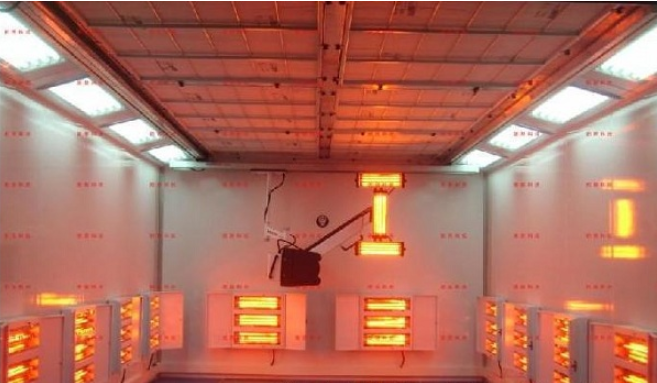
Most people try to heat everything uniformly. But here’s the thing: your parts aren’t uniform. You’ve got thick ribs in one spot and paper-thin walls in another. If you blast them with the same amount of heat, the thin parts fry while the thick parts stay cold in the middle. That’s where zonal IR control comes in. Instead of one big heater, we break the bank into independent zones. This lets you pump a ton of energy into those chunky sections and dial it way back on the thin stuff. When the heat matches the actual mass of the plastic, the polymer chains finally relax. No stress, no warping. Simple.
The Gear That Actually Works
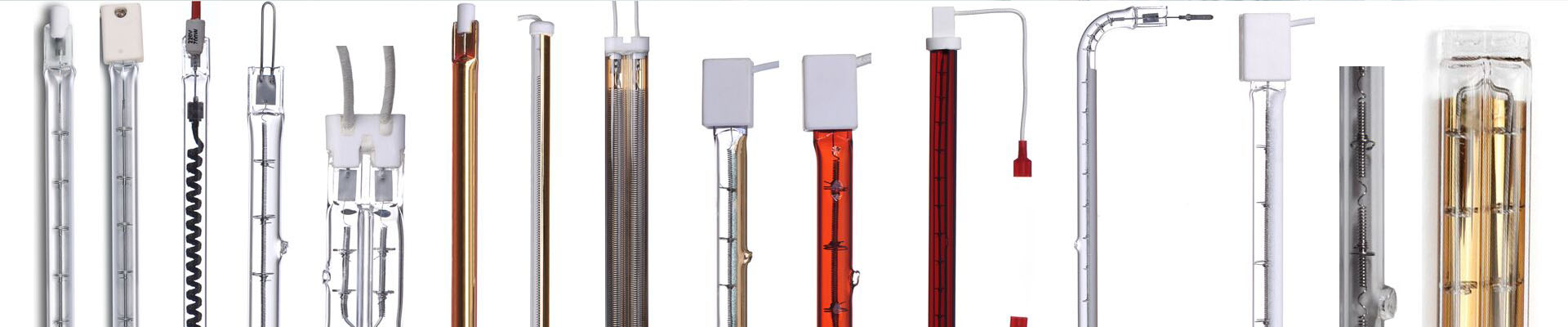
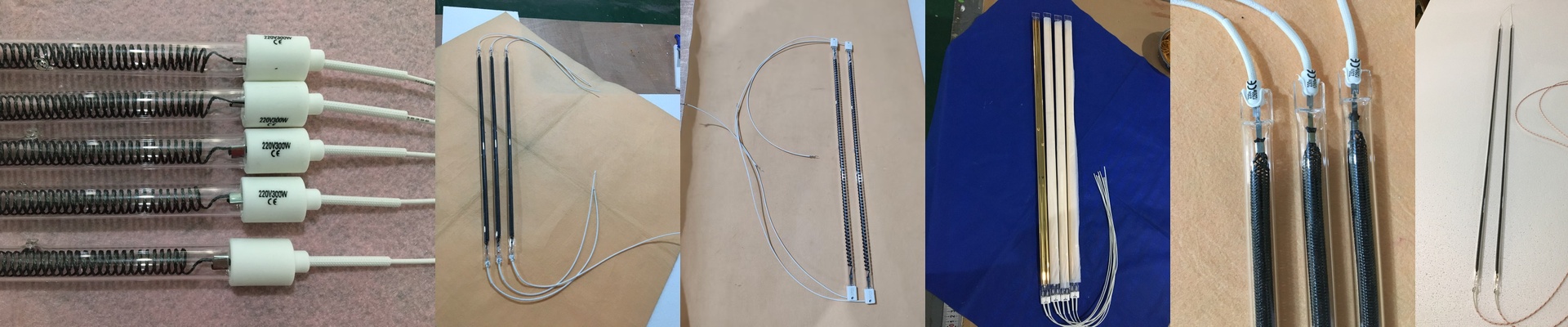
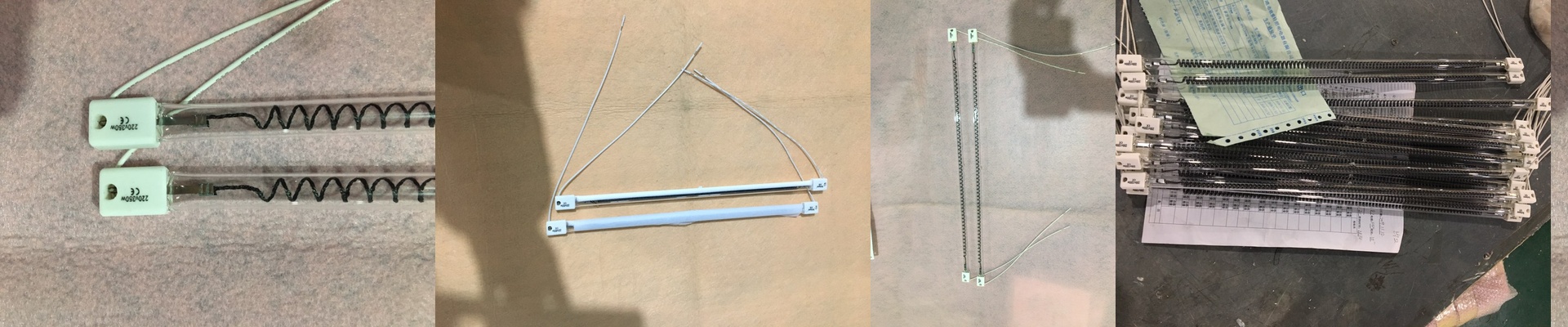
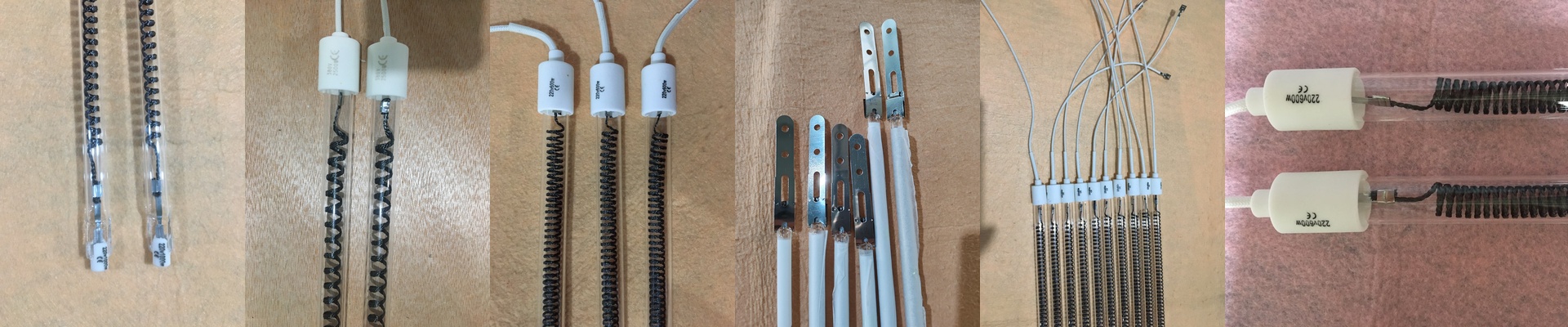
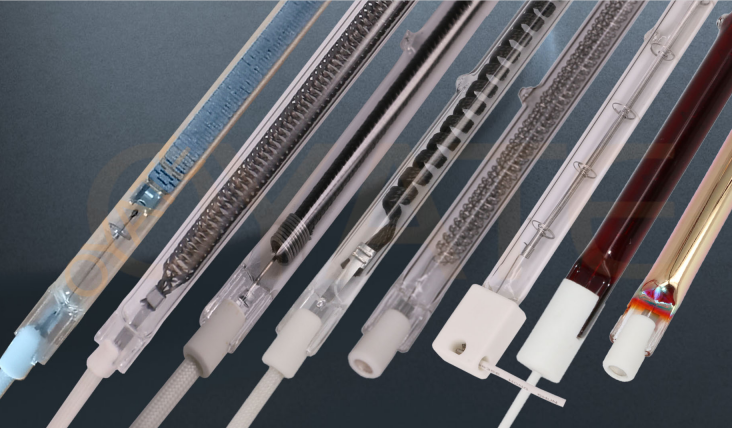
I always go with high-intensity shortwave lamps. They punch through the plastic deeper and faster than medium-wave options, which means your cycle times drop. It’s a huge win for productivity. But you can’t just “set it and forget it.” You need a PID loop with closed-loop feedback from IR sensors. It sounds technical, but it’s basically just a sanity check. If your sensors are off by even 5 degrees, you’ll see it in the final dimensions. It’s that sensitive.
The Catch
There is a trade-off, though. Those high-intensity arrays put out a massive amount of heat. If your cooling jigs aren’t up to the task, you’ve just traded one problem for another. If you can’t pull that heat out fast enough, the part might actually sag under its own weight before it sets. It’s a balancing act. You have to crank the heat to kill the springback, but hit it with a cooling rate that locks everything in place the second it’s shaped. Get that rhythm right, and your parts will come out dead-on every time.