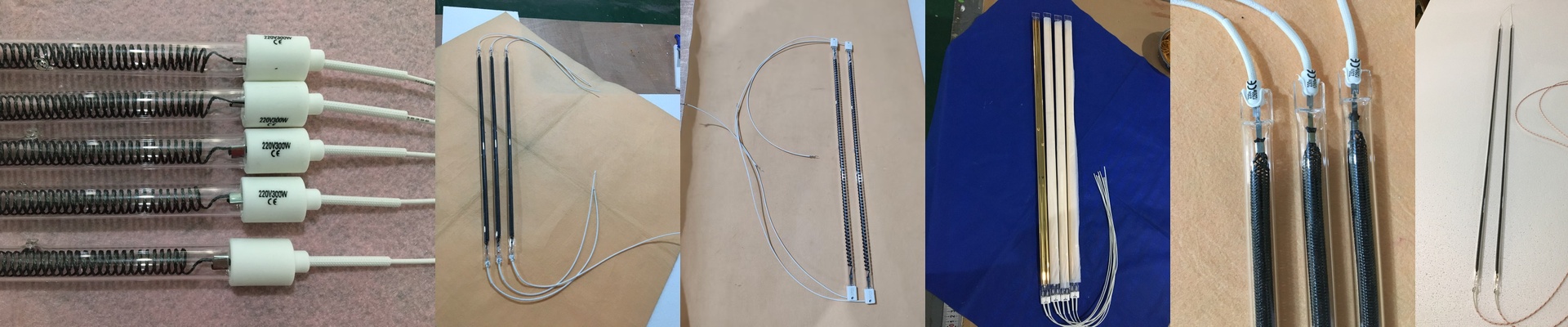
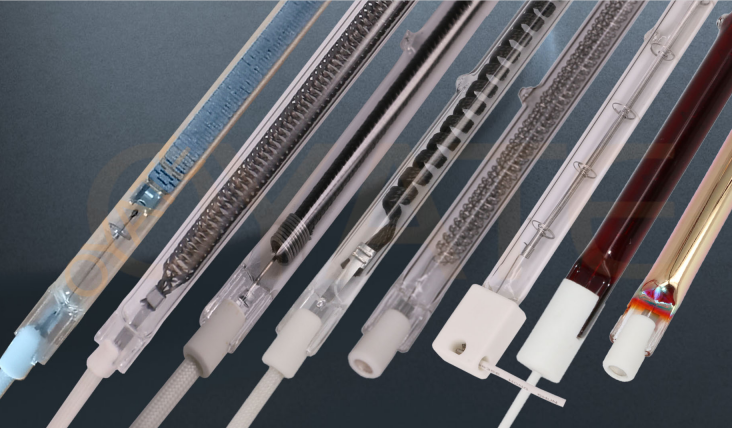
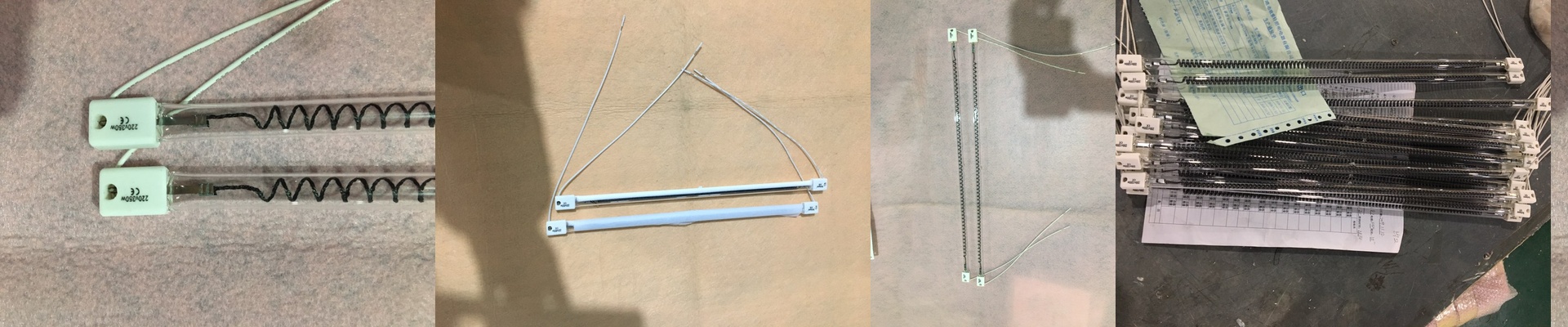
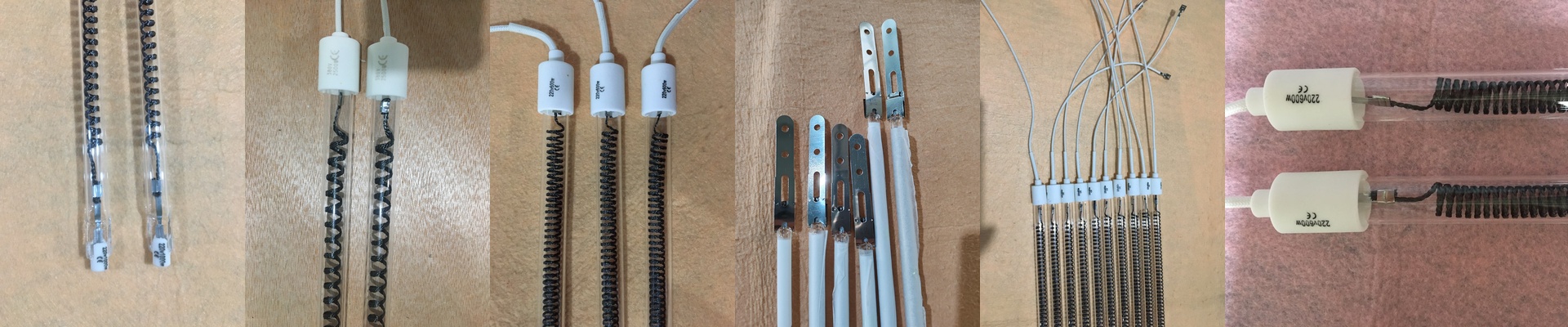
Carbon Halogen Heater Panels: The Real Deal Behind Fast, Even Sauna Heat
You know that moment when you step into a sauna and the heat just wraps around you—instant, even, comforting? That’s what we’re after. We built our carbon heater panels for saunas that want quick warmth without the bulk of old-school rock heaters. The secret is a quartz-halogen element with a carbon-coated filament. It’s all about packing serious heat into a small space, and doing it reliably even when the air is thick with steam.
Power, Voltage, and Size—Kept Simple
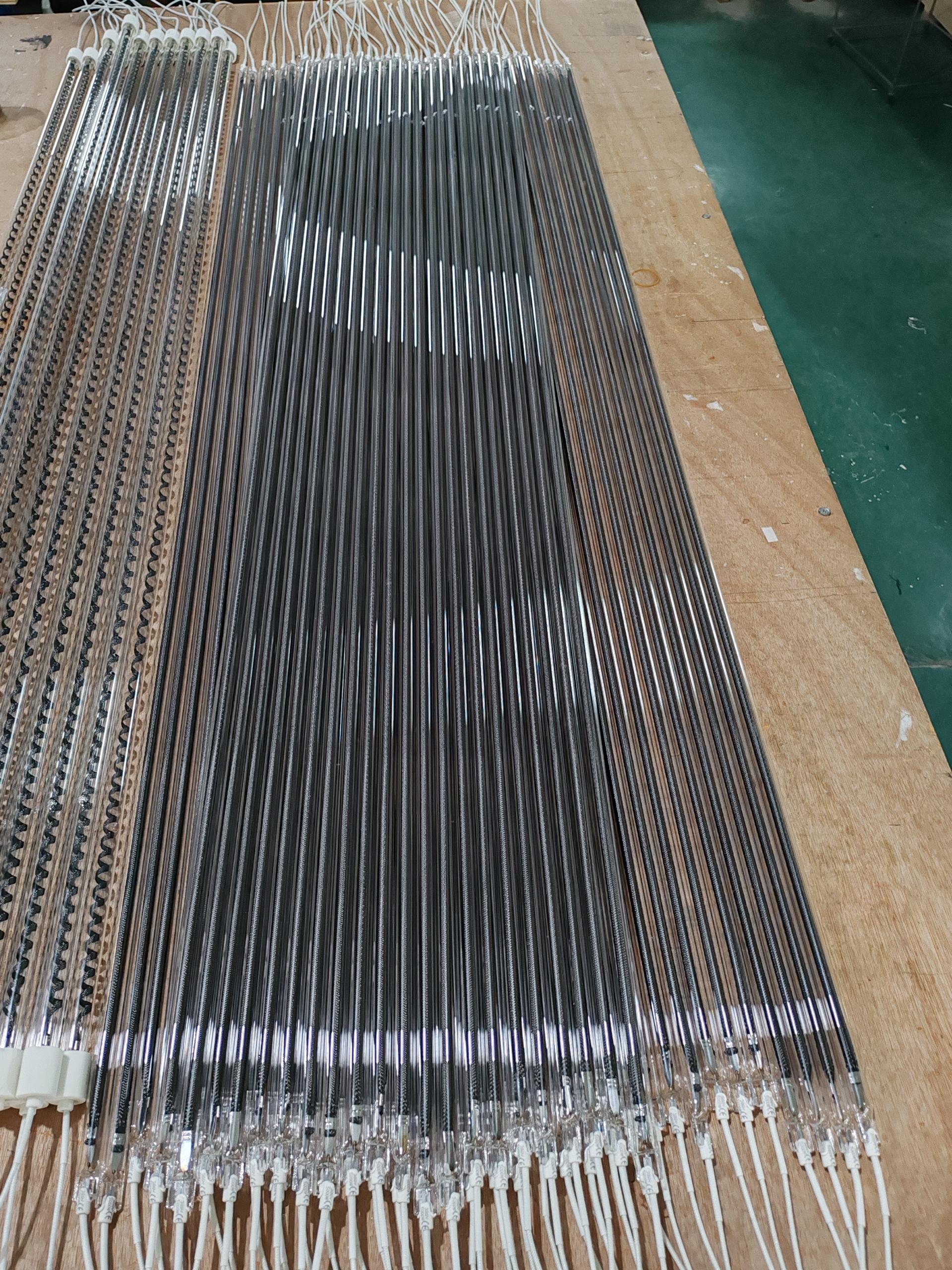
Our standard carbon sauna heater panel runs on 220–240V and hits 1500–2000W. That’s the sweet spot: fast heat-up, but still sensible on electricity. The element sits inside a 1000mm quartz tube, giving you plenty of radiant surface to warm a standard sauna room—without overloading the wiring. Here’s the idea in plain terms: more wattage in a compact design means more heat coming through. That’s exactly what you want for a sauna—rapid heating, then steady control. But with that power comes responsibility. The wiring and controls need to match the heater. If you try to run a 2000W panel on wiring that’s barely enough, you’ll feel it—voltage drop, uneven temps, and that unpredictable sauna mood swing that ruins the vibe.
What It’s Made Of—And Why It Stays Tough
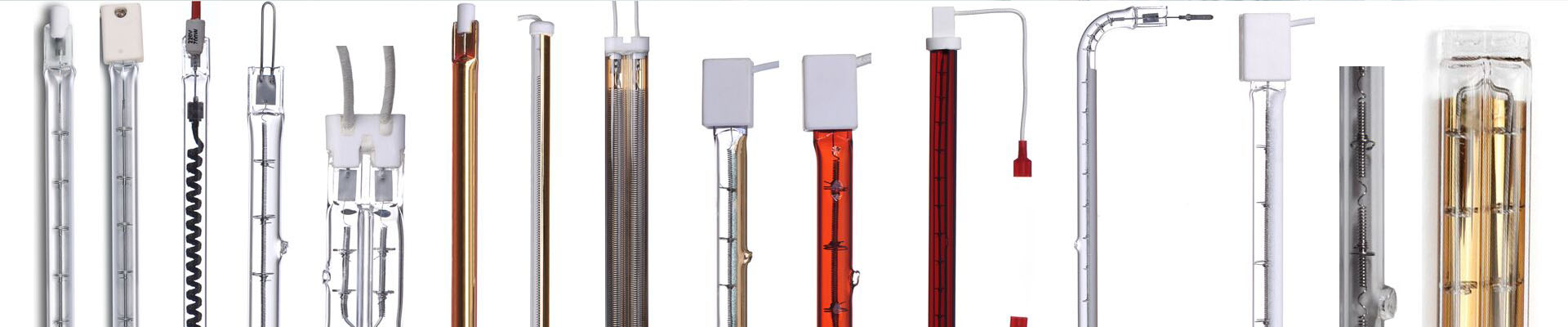
The quartz-halogen setup keeps the filament stable when things get scorching. That means less dimming over time and a longer life. The carbon coating helps keep the infrared output consistent and the surface temperature even across the whole tube. For the connector, we chose an R7s base. It’s a proven industrial standard for high-temperature lamps, and for good reason. It holds the contact tight, and it makes the panel a straightforward drop-in replacement for existing sauna heater housings. The ceramic base paired with the quartz tube handles thermal shock and repeated on/off cycles way better than glass-and-metal options.
Built for the Sauna—Heat, Humidity, and Hard Use
A sauna doesn’t go easy on equipment. It’s heat, it’s humidity, it’s constant cycling. So the heater has to be tough, but also smart about where the heat goes. With our carbon panel, more heat goes where you want it—on the people—and less goes into the mounting hardware. That means fewer hot spots and more even temperature throughout the room. Installation is quick. Wire it, mount it, set the thermostat, and you’re good. There is a trade-off, and it’s honest: high heat density means you need proper ventilation and a control system that can handle the inrush current. But when the room size, the heater, and the controls are matched up, you get a sauna that heats fast, holds steady, and stays dependable—with less fuss over time.