Infrared Carbon Fiber Halogen Lamps: Power, Specs, and Real-World Performance
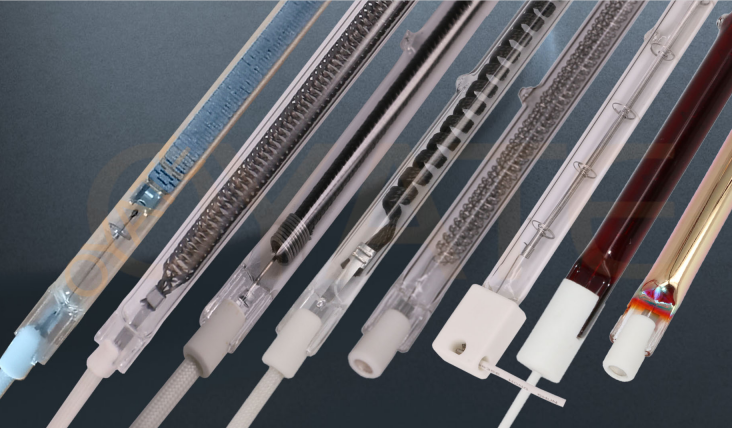
We built these infrared carbon fiber lamps for engineers who can’t afford guesswork. You need heat you can trust, a response that’s immediate, and a size that slips right into what you already have. These aren’t your run-of-the-mill bulbs. They’re compact, hard-hitting heaters—born for industrial work where the margins are tight and downtime is not an option.
Power, Voltage, and Size—Why It All Matters
That 400V, 2500W rating packed into a 300mm tube? That’s intentional. It’s how we squeeze serious heat into a small footprint. High voltage means lower current for the same wattage, so your wiring stays manageable and losses stay low. In other words, you get intense output without rewiring the whole machine. And the 300mm length is a sweet spot. Long enough for solid mounting and an even thermal profile. Short enough to fit into tight reflector cavities and snug heating zones. When the control signal says “go,” the lamp answers—fast.
Material and Design—Built to Stay Consistent
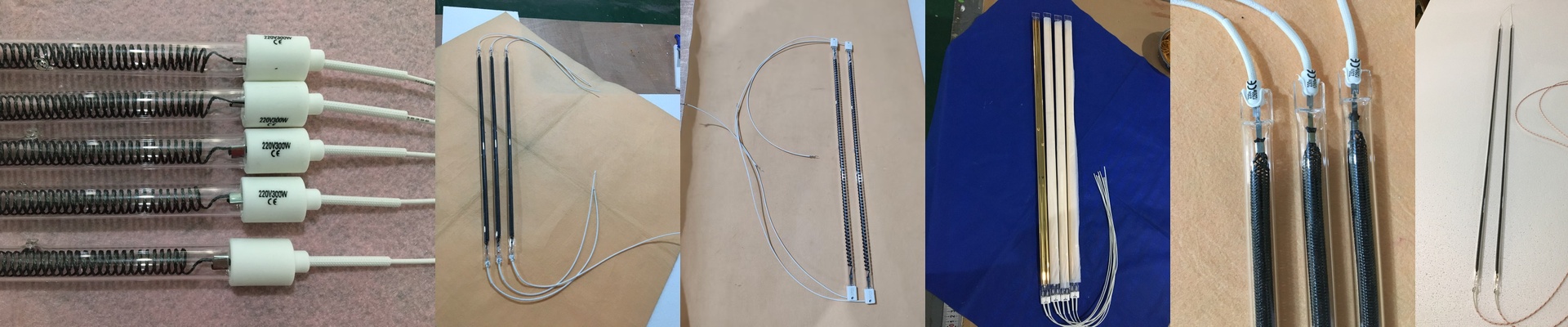
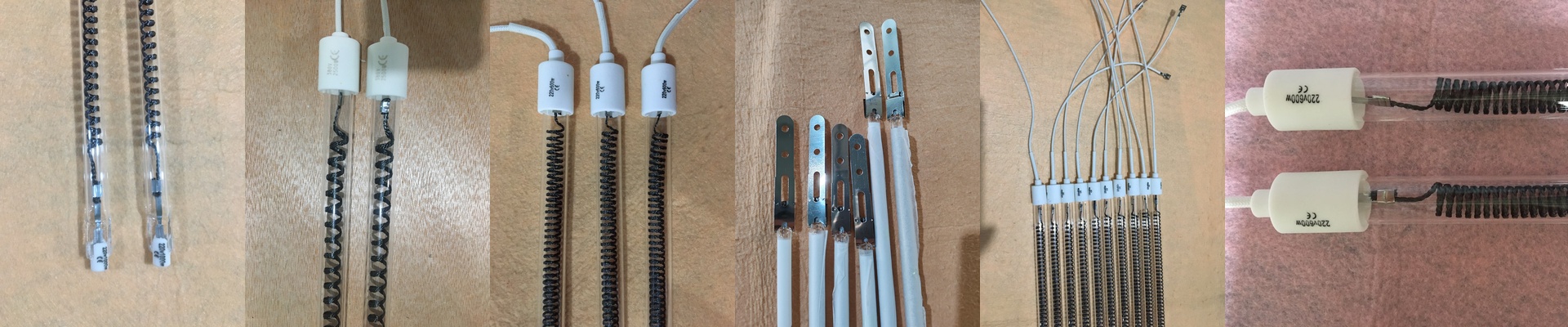
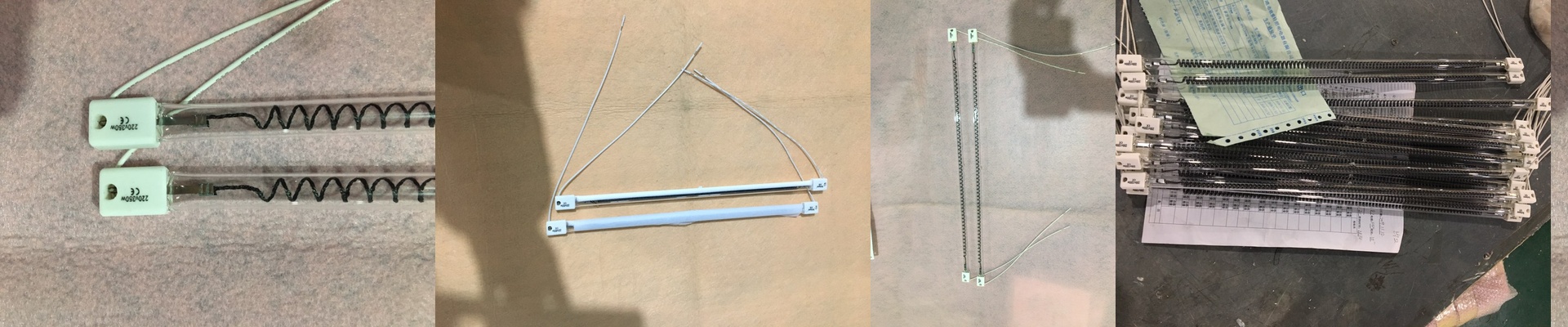
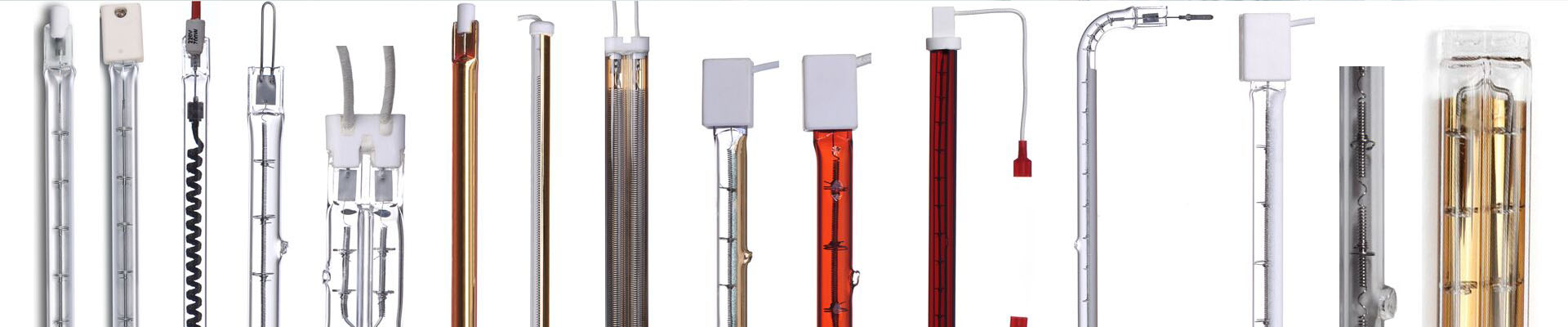
The halogen cycle does the quiet, steady work of keeping the filament stable. It pulls evaporated material back into the hot zone, so output stays consistent over time and you don’t get premature burnout, even when the filament runs hot. We use a quartz envelope because it takes thermal shock in stride and stays strong at high temperatures. Then we apply a quartz coating—often gold or IR-reflective—to shape the spectrum and bounce heat back onto the target. That means more energy lands where you want it, and less goes where it doesn’t. For connections, we stick with R7s and SK15 connectors. They’re industrial-grade, built for high heat and solid contact, and they make the lamp a clean, straightforward drop-in replacement.
Where This Setup Really Shines
This configuration earns its keep wherever you need rapid, localized heating—PET blowing, plastic welding, adhesive curing, packaging sealing. Shortwave infrared response, compact size, and high power density mean you hit temperature quickly, with minimal warm-up delay. Here’s the thing, though: 2500W in a small space creates a lot of heat. So your machine needs to be set up for it. Cooling, airflow, and insulation have to match the lamp. When they do, you get repeatable performance that keeps the line moving—steady, predictable, and ready.