Getting Your IR Heat Right for Automotive Paint
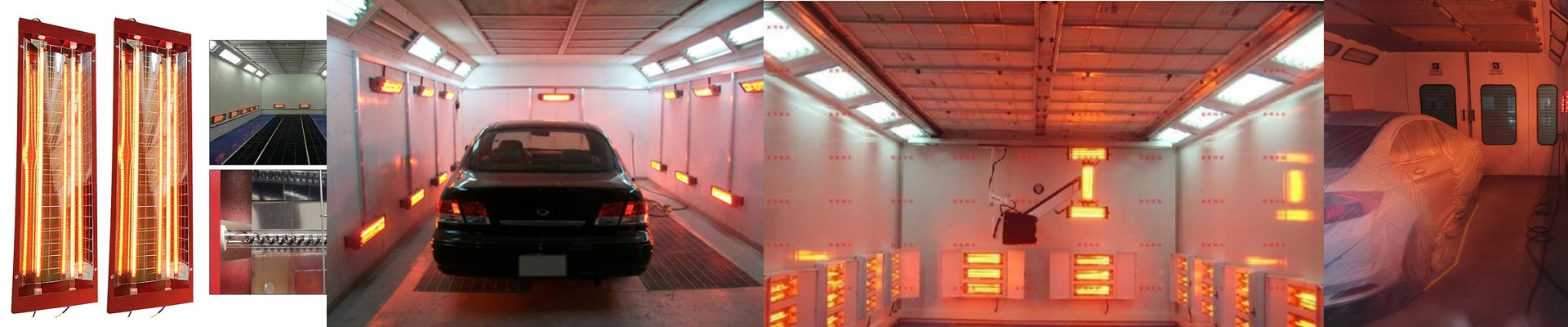
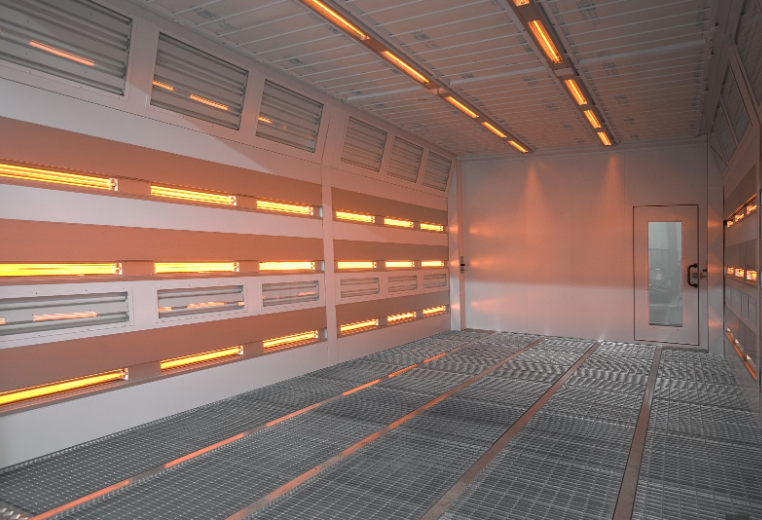
When we’re building custom heating walls for paint booths, the biggest headache is that cars aren’t one-size-fits-all. A tiny sedan and a high-roof van are totally different animals. If you just space your infrared lamps evenly across the wall, you’re asking for trouble. You’ll end up with cold spots on the chassis and scorched paint on the bumpers. Not a great look.
Mapping the Heat
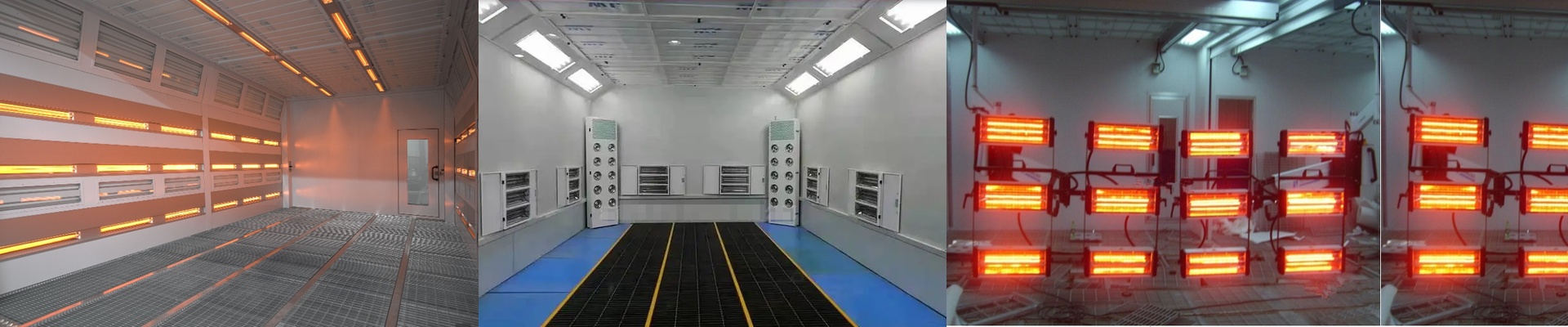
We don’t just slap lamps on the wall and hope for the best. We look at where the heat actually needs to go. The bottom sections—the wheel wells and the undercarriage—are tricky. The metal frame acts like a giant heat sink, sucking the warmth away. To fight that, we pack more lamps into these zones. We usually go with shorter-wave lamps here because they punch through the surface and drive heat deep into the metal. For the mid-section where the body panels sit, we breathe a bit. We widen the gap between the tubes so you don’t get those dreaded hotspots. We switch to medium-wave emitters here. It’s a gentler approach that cures the paint from the inside out, which keeps the surface from bubbling.
The Setup
We build these lamps in modular banks. Why? Because it gives you control. You can wire different zones to their own controllers. So, if you’re only running small cars for the day, you can just kill the power to the top lamps. It’s an easy way to stop wasting electricity. And here is where a lot of people trip up: the mounting. We use adjustable brackets. It’s a delicate balance. If the lamp is an inch too close, you’ll fry the clear coat. Too far? Your cycle time doubles, and suddenly your throughput tanks.
Power vs. Airflow
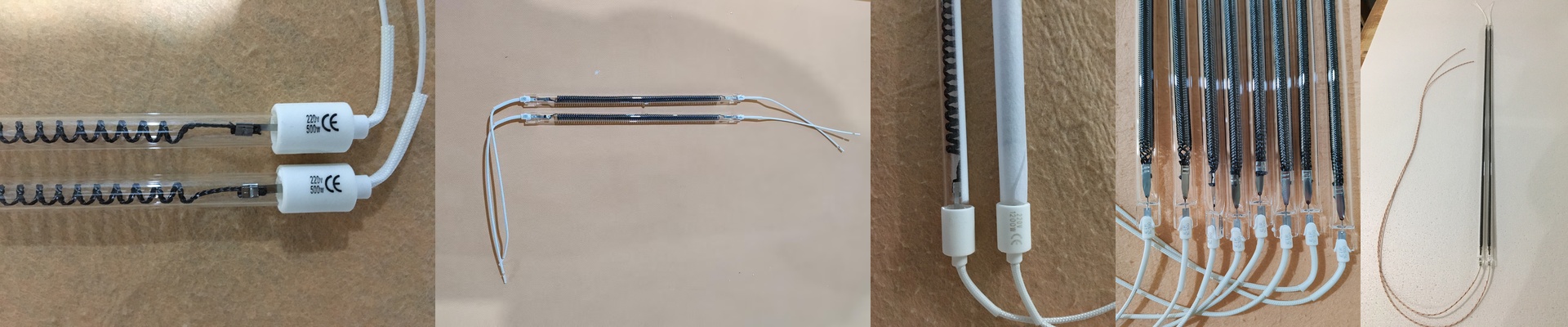
Here’s the thing about high-density lamp arrays: they’re fast, but they gethot. Really hot. You can’t just cram a wall full of 2kW tubes and call it a day. If your exhaust system isn’t up to the task, you’re in trouble. If the booth can’t pull that excess heat away from the lamps, the sockets will literally burn out. Before you crank up the wattage, double-check your CFM. Your airflow has to keep up with your power, or you’re just building a very expensive oven that breaks itself.