Getting Your IR Lamp Layout Right for Different Brake Pad Sizes
If you’ve ever worked with brake pad coatings, you know the struggle. You need that thermal soak to be just right—not too cold, or the coating won’t stick; not too hot, or you’ve just ruined the part. The real headache starts when you’re dealing with different vehicle models. One part is small, the next is huge. If your heating wall is just a fixed grid of lamps, you’re going to have gaps where it’s too cold and “hot spots” that scorch the finish. It’s a mess.
How we handle the vertical layout
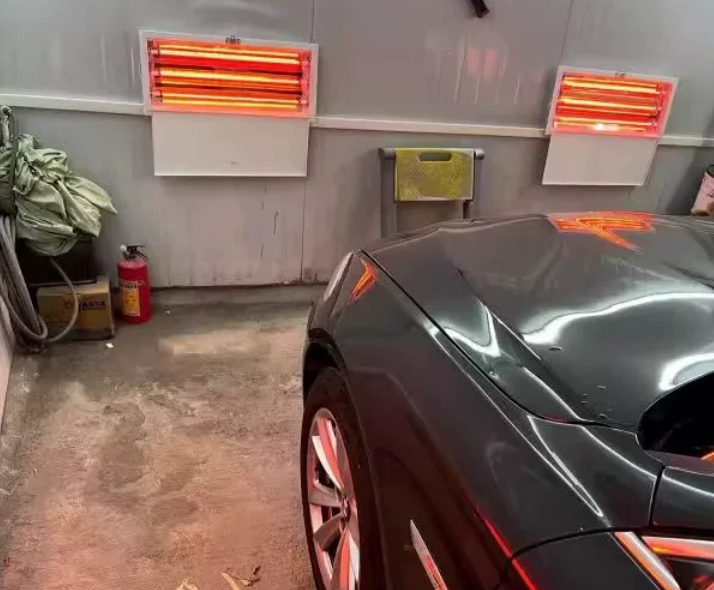
We don’t just slap lamps on a wall at even intervals and hope for the best. That doesn’t work. Instead, we use a zoned approach. Think of it like dividing the wall into independent banks. If you’re running a smaller part, you just toggle off the rows you don’t need. It gives you total control over the heat based on the actual size of the pad. We stick with shortwave infrared because it hits the coating fast. But here’s the catch: the closer the lamp is to the part, the more intense the heat gets. If you crowd them too tightly, you’ll burn the edges. We spend a lot of time calculating the “view factor”—basically making sure the lamp “sees” the part in a way that spreads the heat evenly.
The hardware side of things
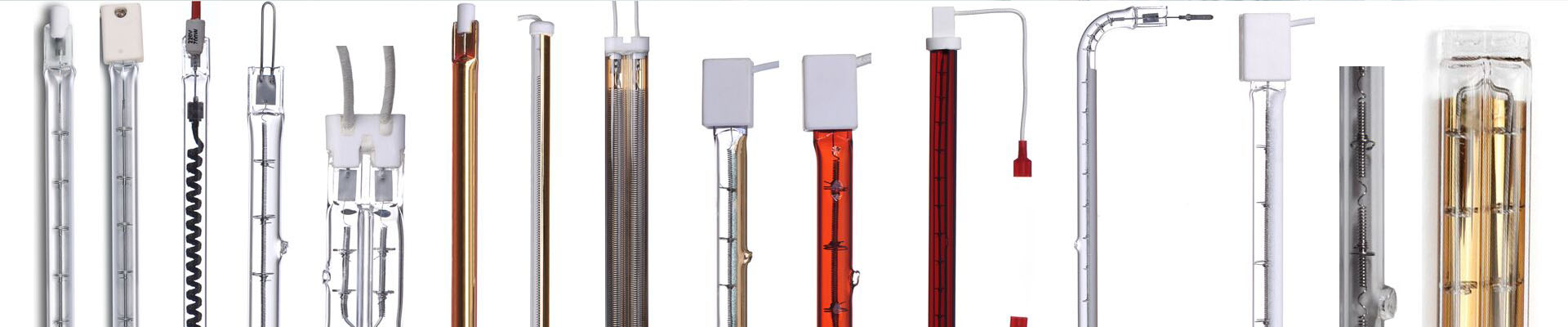
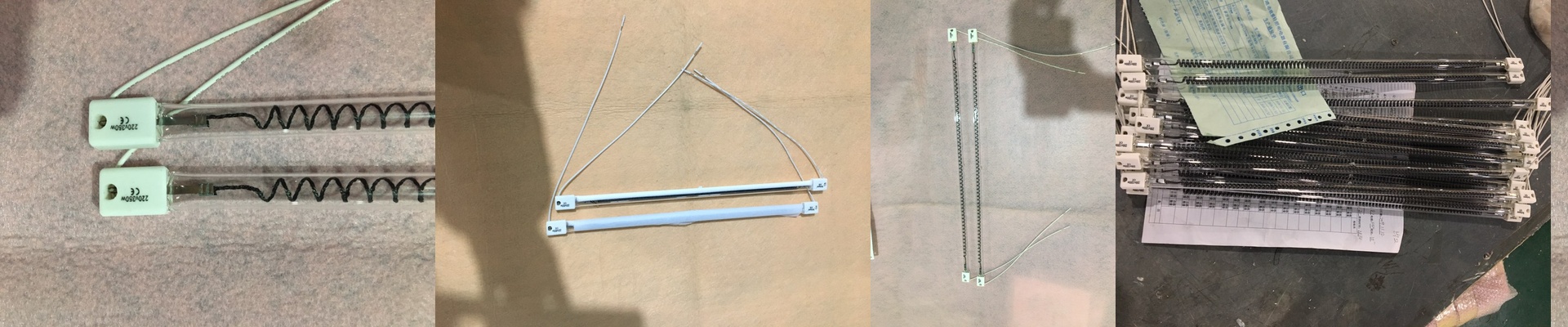
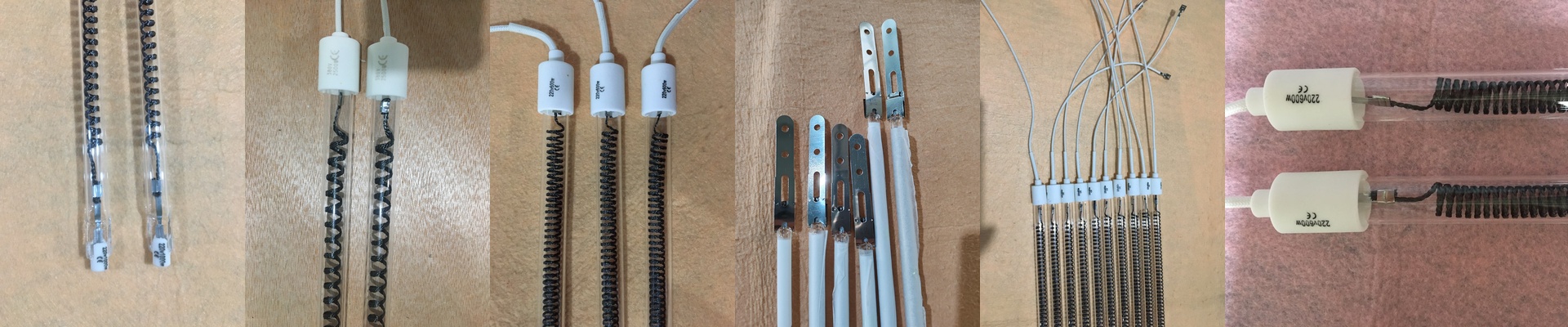
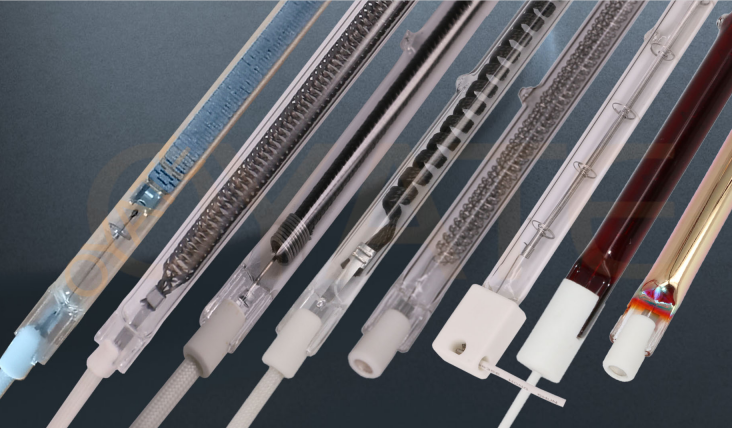
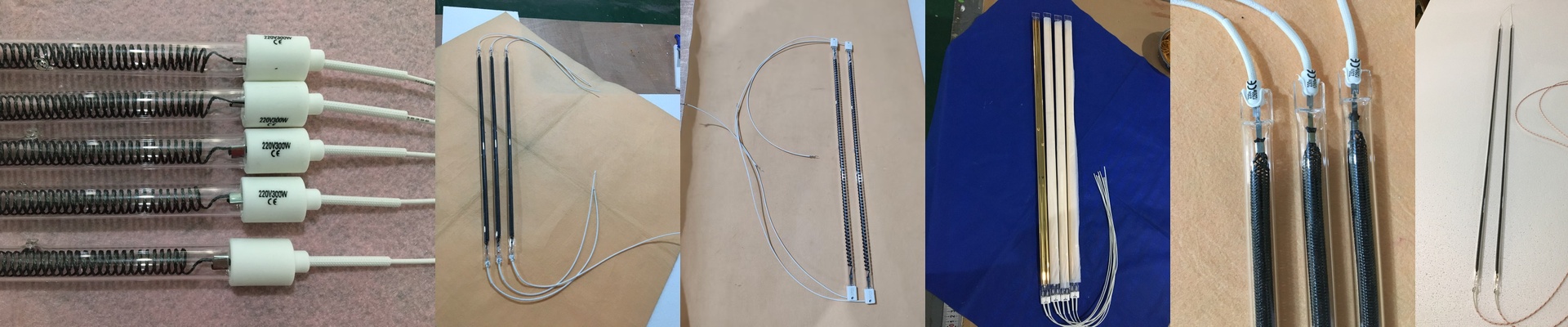
Quartz halogen tubes are our go-to. They ramp up to temperature almost instantly, which is exactly what you need when you’ve got a conveyor line moving. To keep things from getting patchy, we add reflectors to shape the beam. One thing to watch out for? Heat buildup. These walls put out a massive amount of ambient heat. You can’t just plug them in and walk away. If your ventilation isn’t strong enough to pull that excess air out, your lamps are going to overheat and burn out way sooner than they should.
Making it work for multi-model lines
For shops that jump between different vehicle lines all day, we suggest a modular rail system. It’s pretty simple: you just slide the lamp brackets up or down to match the height of the part. By keeping that distance consistent, the IR intensity stays the same across every single batch. No more guessing, no more “trial and error,” and way less scrap hitting the bin.