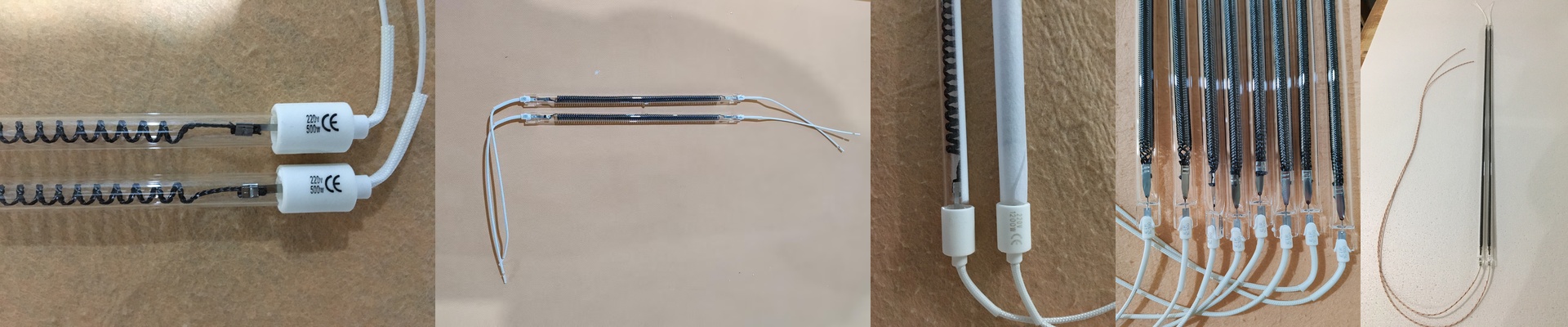
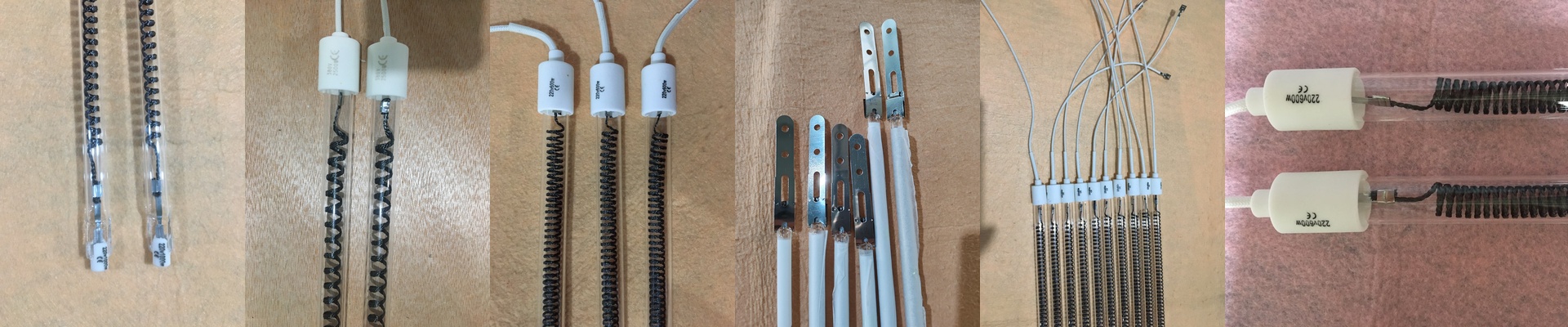
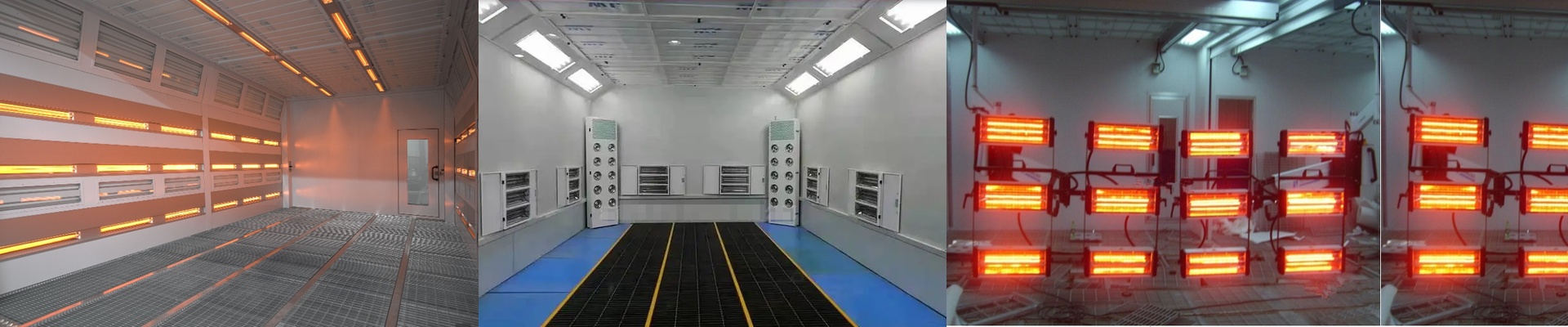
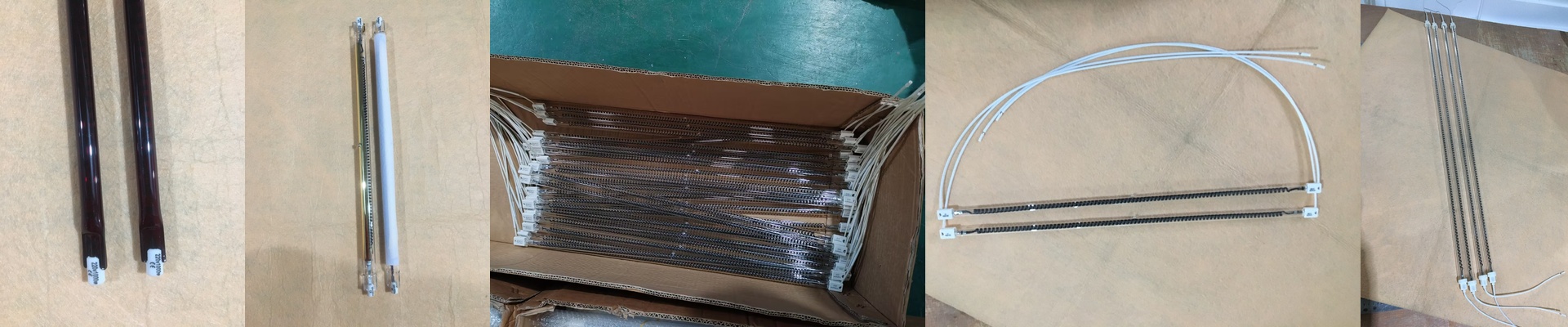
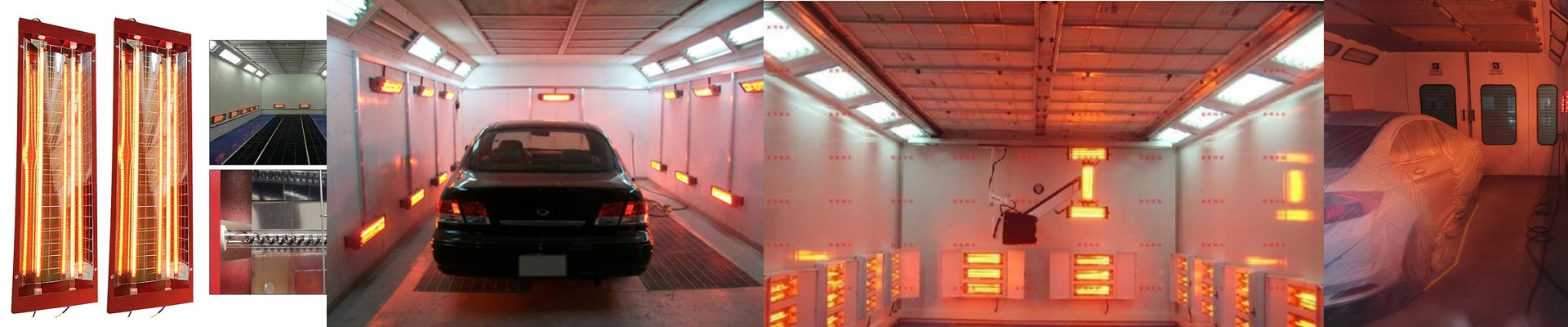
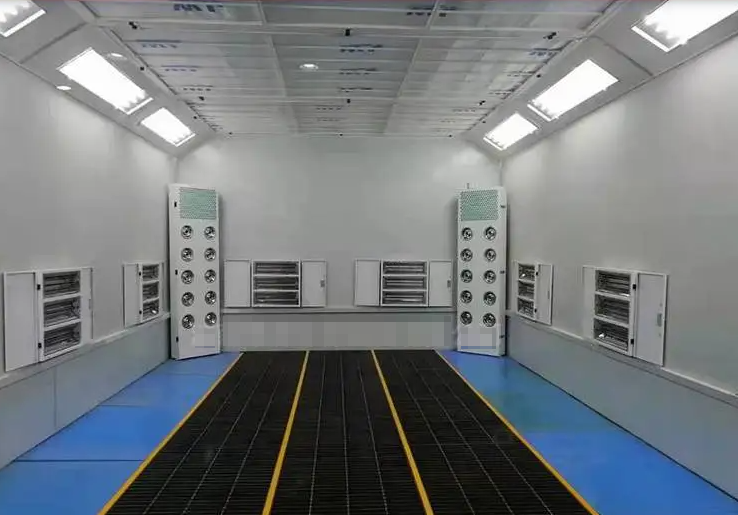
Curing brake pads is a finicky business. If you crank the heat too fast, those organic binders basically explode, leaving you with a pad full of holes or nasty surface cracks. It’s a headache. We figured out a better way. Instead of relying on those old-school convection ovens that just blow hot air around, we use short-wave infrared (IR) heating. It gives you way more control over exactly where the heat goes. Here is why it works. Hot air just sits on the surface. IR energy actually digs deep into the friction material. We use high-density quartz halogen emitters to hit the core of the pad directly. By playing with the wattage and the distance between the lamp and the pad, you can dial in the heat flux perfectly. This stops the “skin effect.” You know the one—where the outside bakes hard and traps gases inside, creating those annoying internal voids. But you can’t just blast it. To keep things from cracking, you need a gentle ramp-up. That’s why we set these systems up with multi-stage zones. The first zone just nudges the moisture out. The second one does the heavy lifting of the actual curing. One warning: watch your conveyor speed. If your lamps are too powerful for how fast the line is moving, you’ll scorch the surface. You have to find that sweet spot between power and speed to keep the heat moving through the material evenly. Now, let’s talk gear. We usually go with gold-coated or high-output quartz tubes. They reflect heat better and they last longer, which is important because industrial environments are brutal on hardware. Just make sure your wiring is up to the task. These lamps pull a lot of current. If you use cheap connectors, they’ll overheat and melt your looms. Use high-temp ceramics. Trust me on this. One last thing—short-wave IR is aggressive. If your cooling fans aren’t powerful enough for the oven housing, heat builds up inside the box. Once that happens, you lose your precision control, and you’re right back to square one with those same cracks you were trying to fix.