Getting Your Paint Booth Heat Just Right
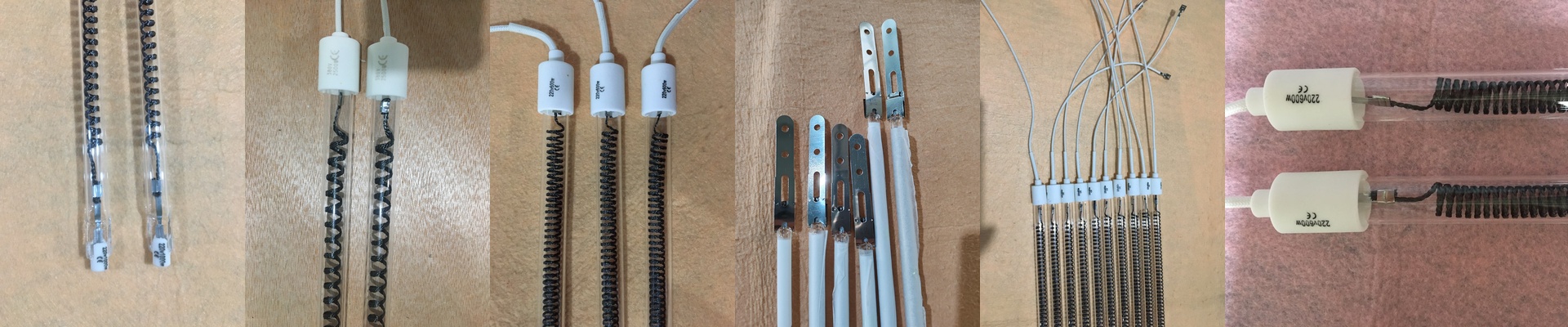
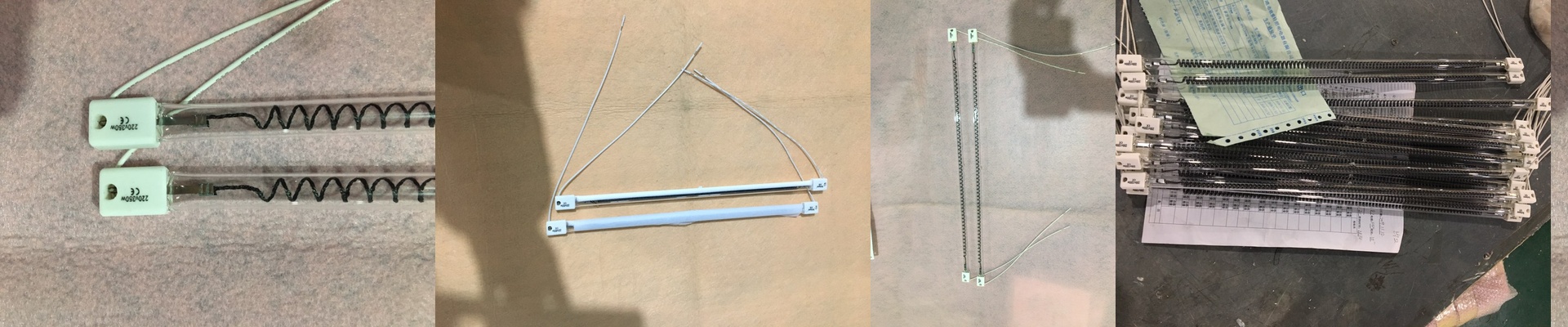
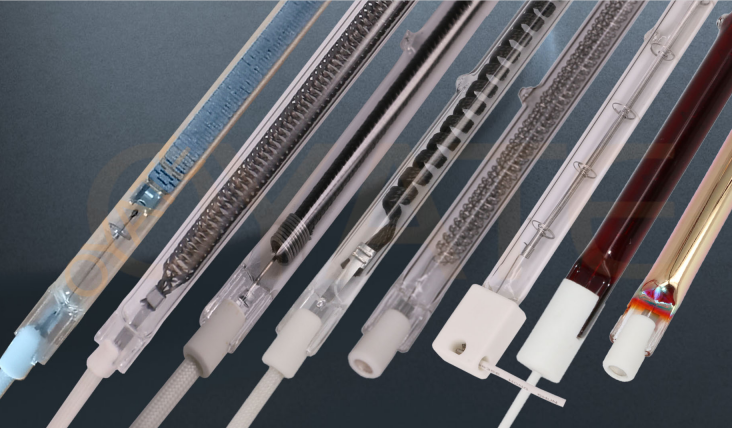
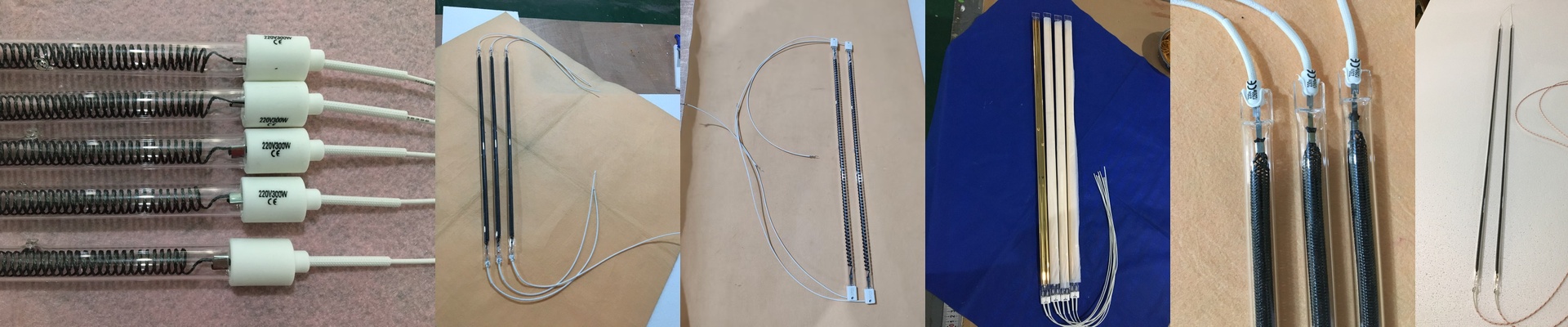
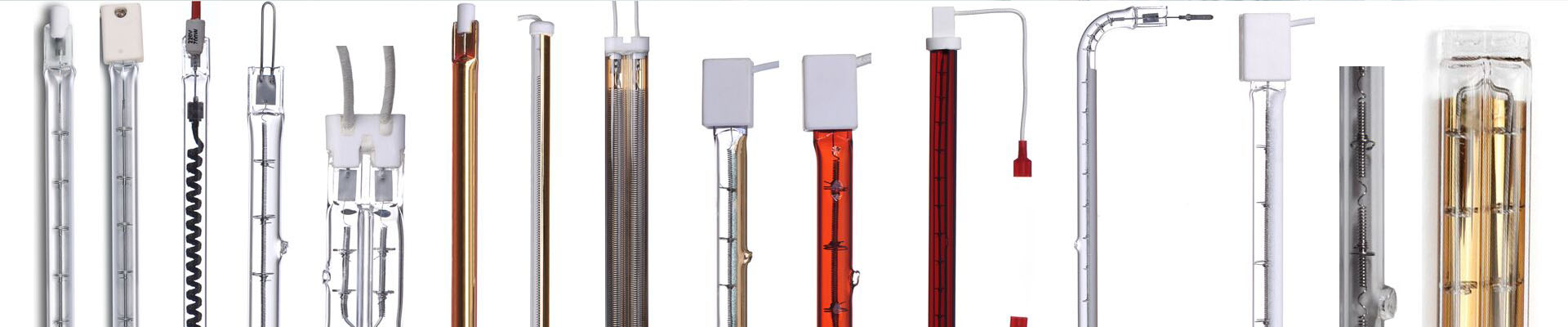
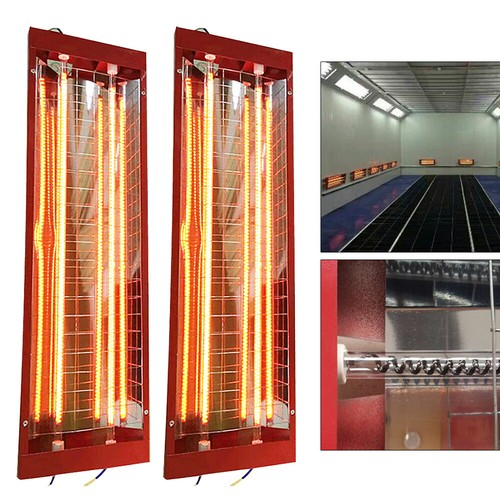
When you’re building a heating wall for a paint booth, you’re basically fighting a battle for consistency. You want the temperature to be the same everywhere, regardless of what’s parked in the booth. The problem? A tiny coupe and a massive SUV don’t react to heat the same way. If you just slap in a standard lamp layout, you’ll end up with hot spots on the low cars and cold zones on the big ones. It’s a mess. You’ve got to plan your layout around the actual cars you’re painting. The trick with vertical spacing We don’t just guess where the lamps go. We look at how the vehicle actually absorbs the heat. For example, the floor acts like a giant heat sink, sucking warmth away from the bottom of the car. To fix that, we bunch the lamps closer together near the chassis. Then, we put a high-density array right in the middle. That’s the sweet spot—it gets the doors and fenders up to curing temp way faster. But be careful. If you cram too many lamps in one spot, you’ll scorch the clear coat. To stop that from happening, we just tweak the wattage per meter. Balance is everything. Smart setups for different heights Most standard walls waste a ton of energy by heating up empty air. It’s a waste of money. Instead, we use modular lamp banks. This means we can shift them up or down, or even angle them, so the IR energy actually hits the side of the car instead of just bouncing off the roof. We use quartz-glass tubes because they let the heat through perfectly. They’re tough enough for a shop environment, but they’re still glass—they can snap if you’re not careful during install. Pro tip: make sure your brackets have a little bit of “give.” When those lamps heat up, they expand. If they’re pinned too tight, they’ll crack. The trade-offs you need to know Sure, adding more lamps makes the heat more even. But there’s a catch. More lamps mean a huge jump in power draw. You’ll need to make sure your wiring and power supply can actually handle the load without tripping a breaker. And if you’re pushing for maximum heat to shave time off your cycle, keep an eye on your vents. You need to get those evaporated solvents out of the booth fast. If they linger, you’ll get solvent pop, and then you’re staring at a lot of sanding and repainting.