Stop the Cracking: Getting Brake Pad Curing Right
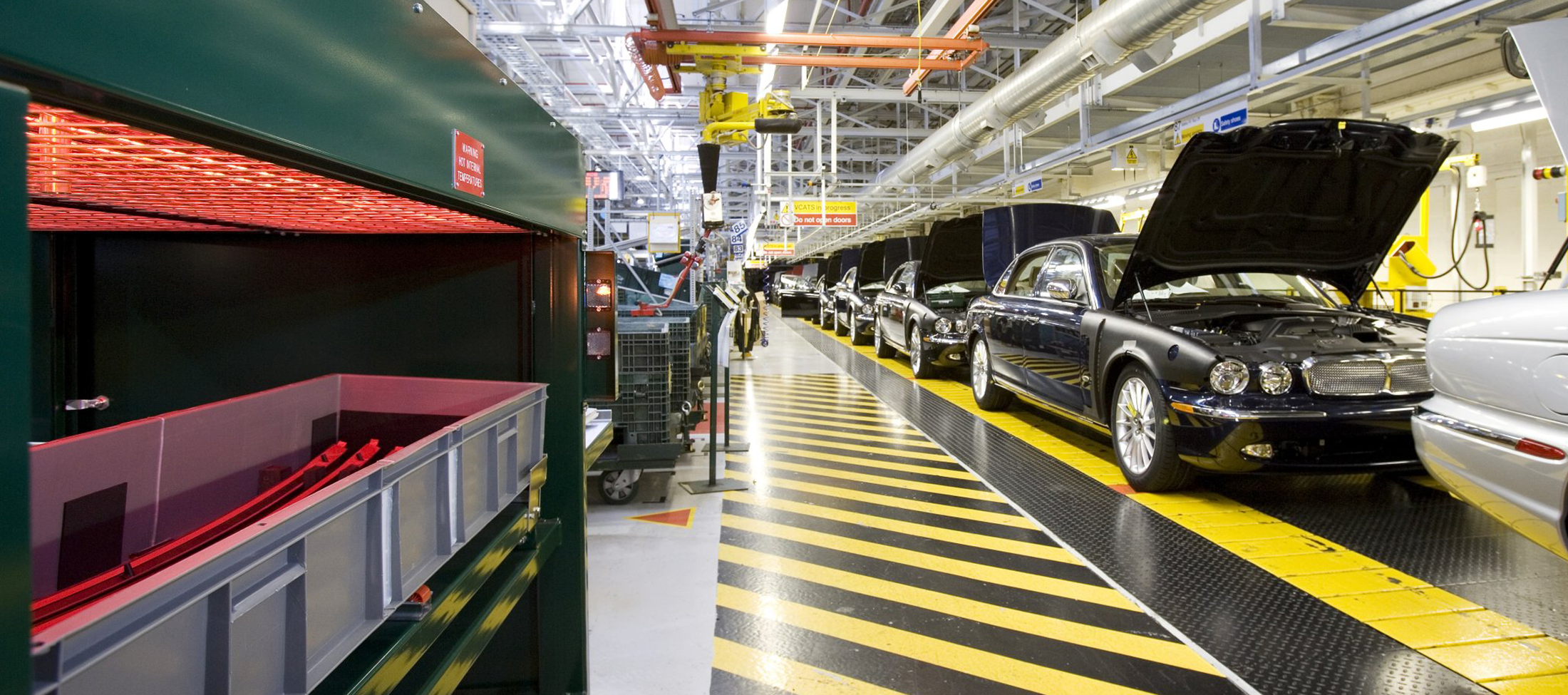
Curing brake pads is basically one big balancing act. If you crank the heat too fast, you get thermal cracking. But if you go too slow or let the heat drift, you end up with those annoying internal holes—porosity. It’s a headache. To get it right, we rely on precision infrared (IR) heating to keep those temperature swings under control.
Dealing with the Thermal Gradient
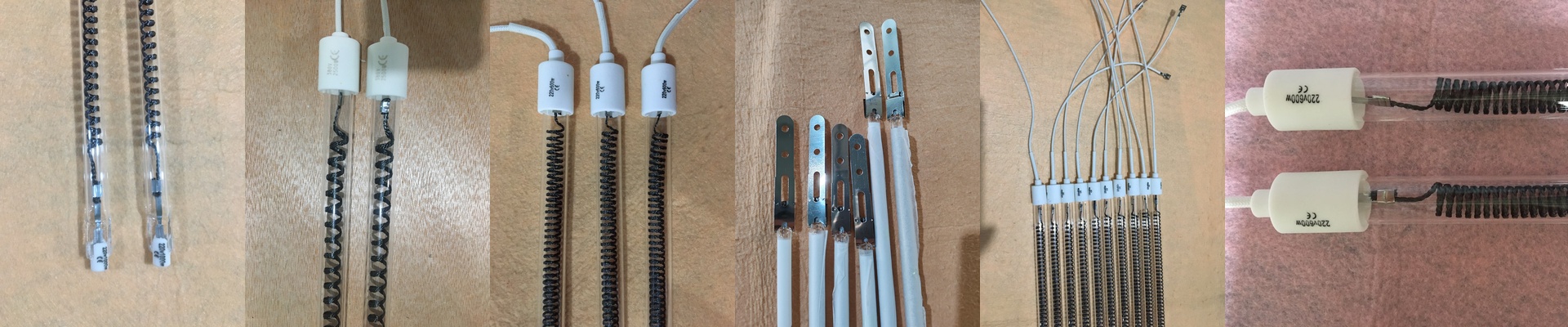
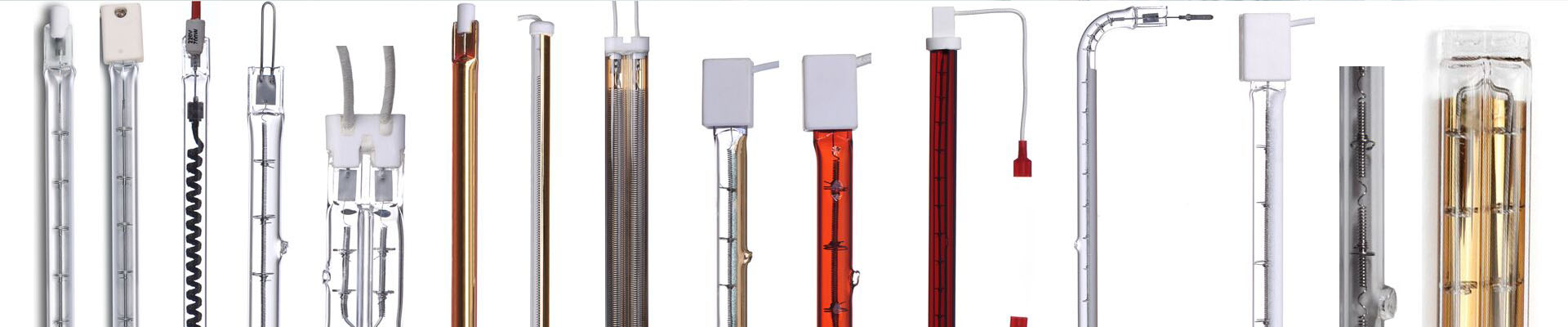
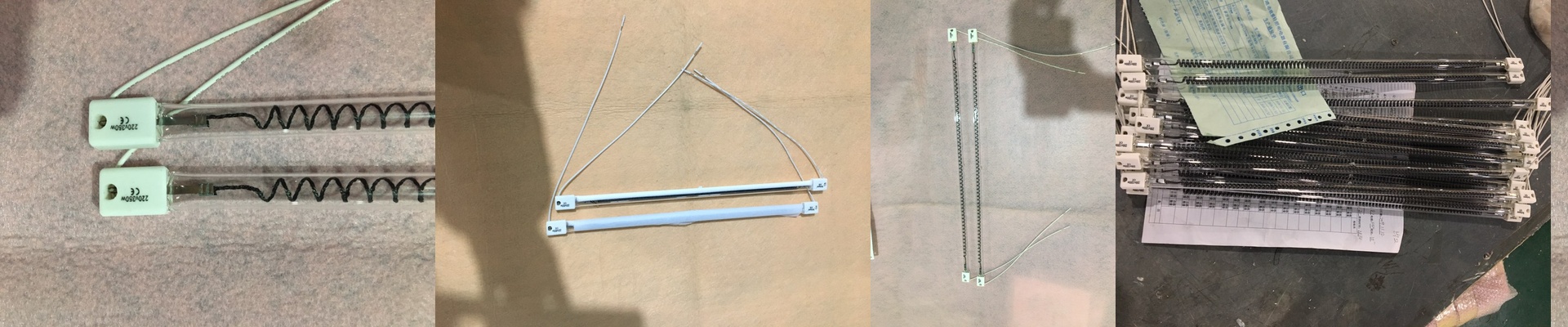
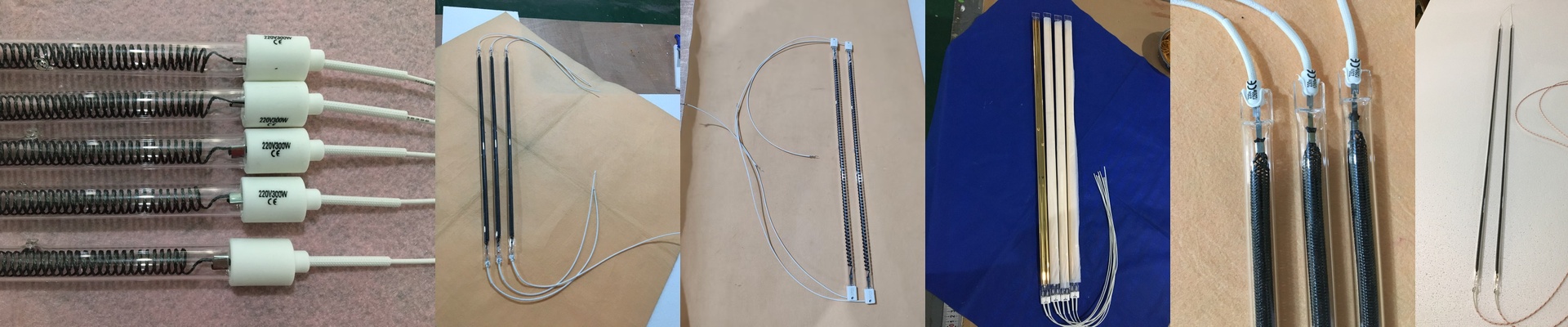
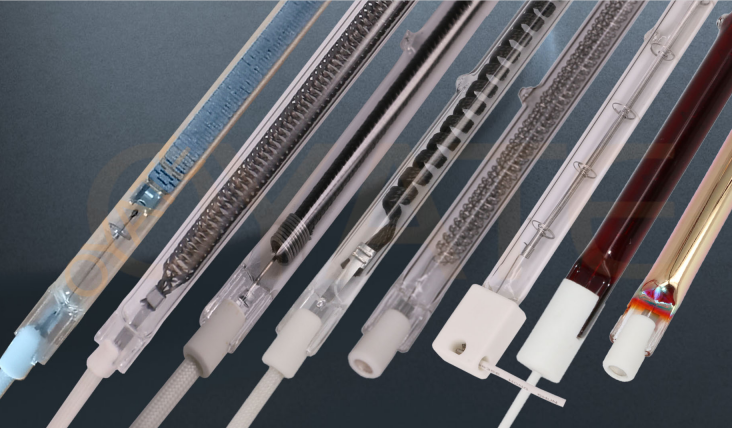
Here is the problem: thermal cracking happens when the outside of the pad cures and shrinks while the core is still lagging behind. That tension literally rips the material apart from the inside. We fix this using multi-zone IR emitters. Instead of just scorching the surface, we tweak the wavelength and intensity to push the heat deeper into the composite. You have to be obsessed with your PID control here. If your sensors lag or your heaters overshoot by even 5 or 10 degrees, you might as well throw the whole batch in the trash. We usually start with short-wave IR to get things moving quickly, then switch to medium-wave for the “soaking” phase. That way, the core hits the target temp without stressing the outer skin.
Getting Rid of the Holes
Porosity usually comes down to trapped gases or resin that didn’t set properly. Traditional convection ovens are notorious for “cold spots,” which leave you with resin that hasn’t fully cross-linked. IR is different because it hits the material directly. The trick is making sure the heat density is the same across the entire tray. We spec our emitters specifically to avoid “zebra striping.” If the heat isn’t spread evenly, the pads will warp, and you’re back to square one.
The Trade-offs
It’s tempting to just crank the wattage to speed up production, but that’s a trap. High-intensity IR setups can cut your cycle times, sure, but they put a massive strain on your power grid and cooling systems. Plus, over-driving the lamps just burns them out faster and makes your heat output inconsistent. The real secret is finding that sweet spot between heater density and conveyor speed. When you get that balance right, the thermal profile stays flat, and the pads come out perfect every time.