Getting Your Heat Right: The Struggle with Different Car Sizes
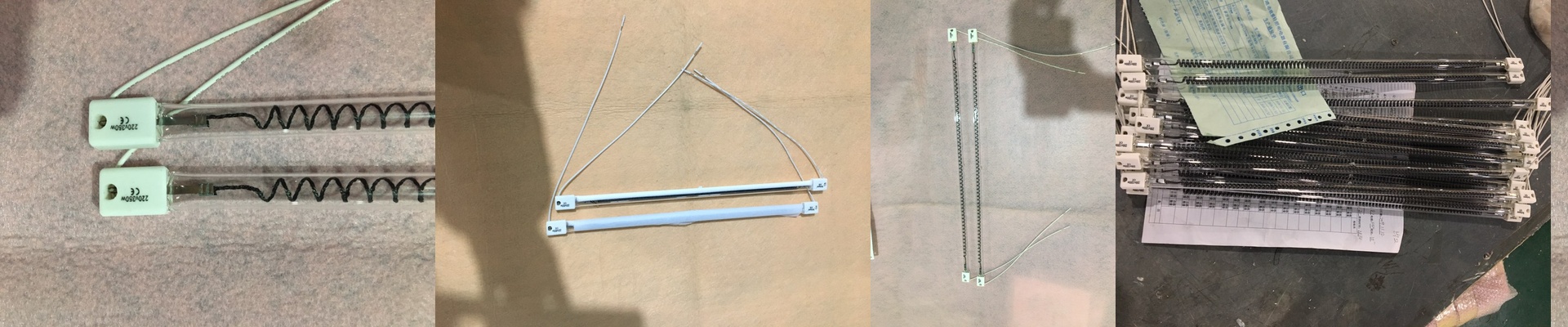
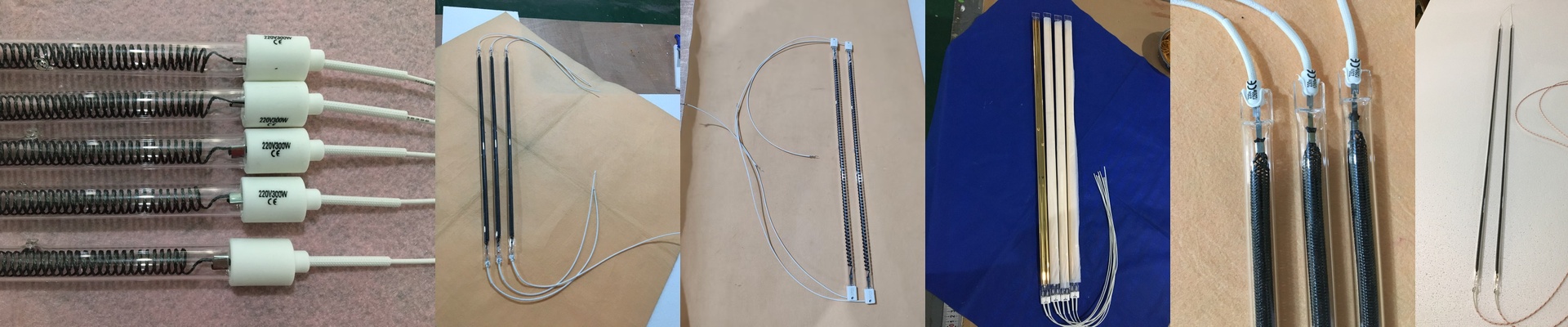
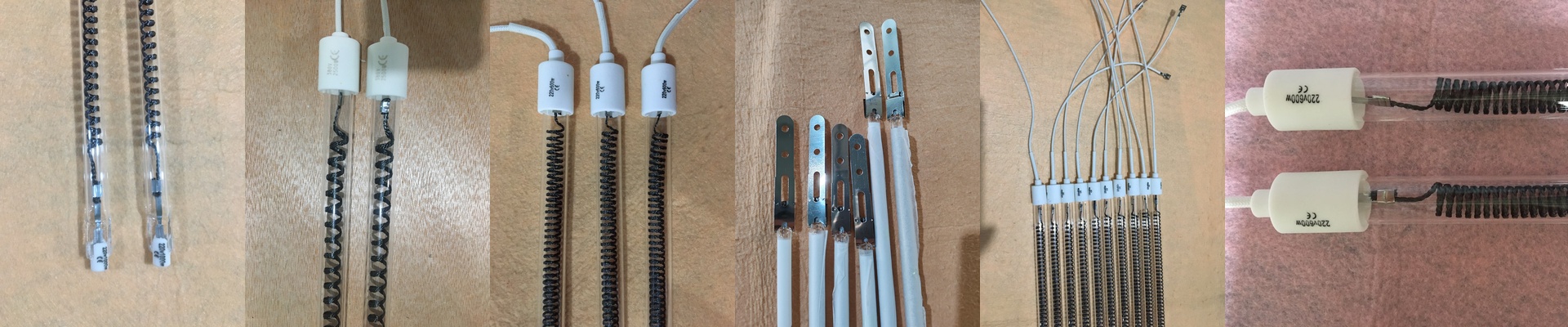
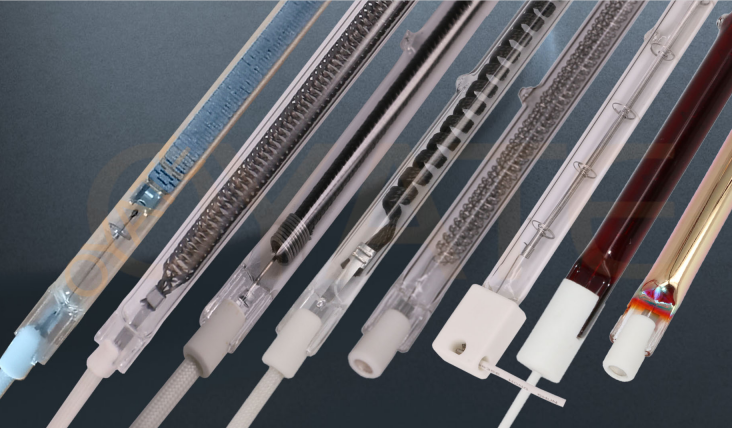
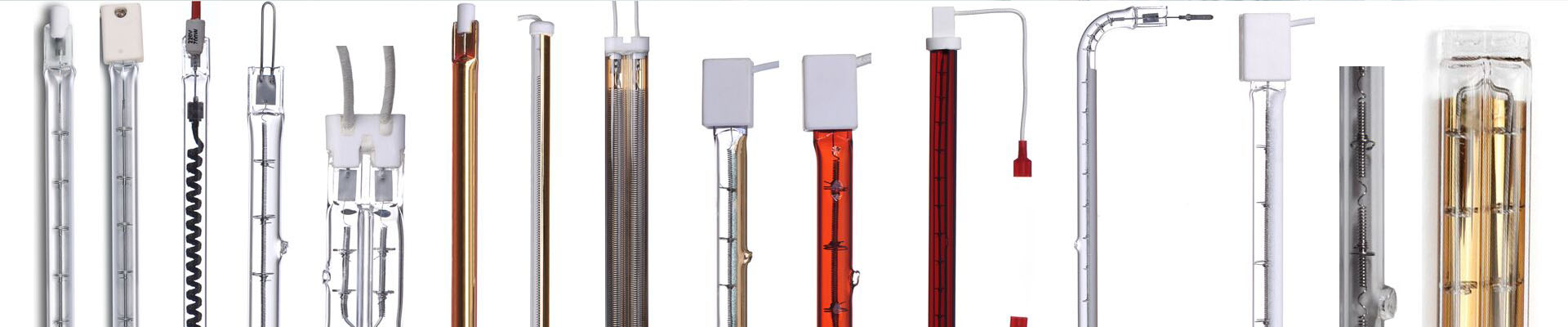
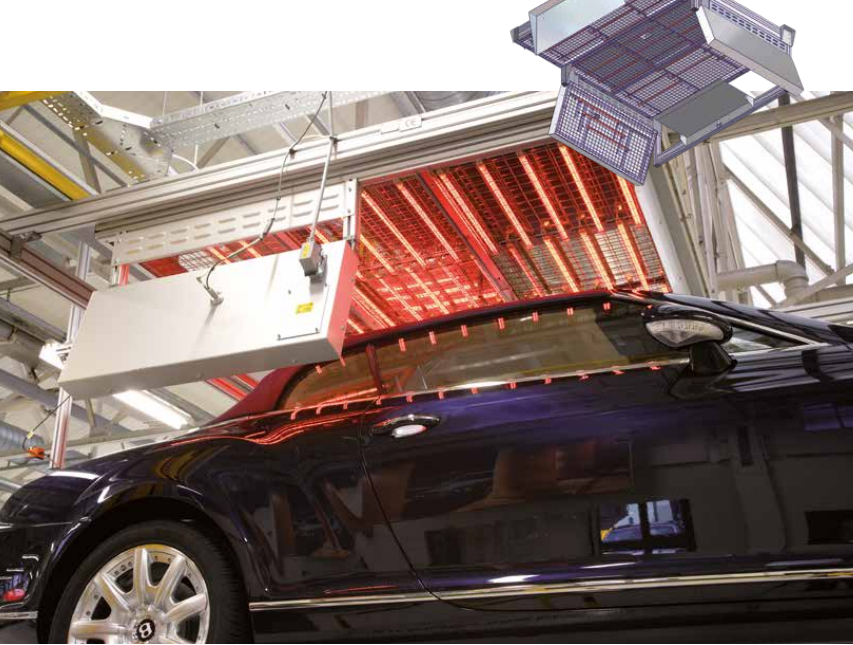
Here is the real problem when you’re building a custom heating wall for a paint booth: the gap. Think about it. A tiny coupe and a massive delivery van don’t take heat the same way. If you just slap a bunch of infrared lamps on a wall in a perfect, boring grid, you’re asking for trouble. You’ll end up with cold spots on the tall stuff and a low-slung car that’s practically baking. The trick is all in the layout. We don’t just line up tubes and call it a day. Instead, we focus the heavy-hitting, shortwave lamps right in the middle—where the bulk of the car actually sits. And for those lower areas near the rocker panels? We tilt the lamps. It sounds like a small detail, but it’s huge. If the rays don’t hit the surface straight on, the energy just bounces off the clear coat. It doesn’t soak in, and your paint doesn’t cure. Don’t just throw lamps at a wall. You need zones. We split the wall into top, middle, and bottom sections, each with its own controller. It makes life so much easier. If you’ve got a low-profile car in the booth, you just kill the power to the top zone. You aren’t wasting electricity heating empty air, and you aren’t risking a ruined roof. The catch: Power vs. Lifespan Now, it’s tempting to just cram as much wattage as possible into a small space to speed up the cure time. But there’s a trade-off. When you cluster lamps that tightly, the heat gets intense. Really intense. If you don’t have a ventilation system that actually breathes, you’ll fry your connectors. Plus, those high-temp cycles can make tubes sag over time. We use reinforced brackets to keep everything straight and steady. It’s a bit more work upfront, but it beats replacing burnt-out gear every few months.