A Straight-Talk Guide to Carbon Infrared Heating Elements
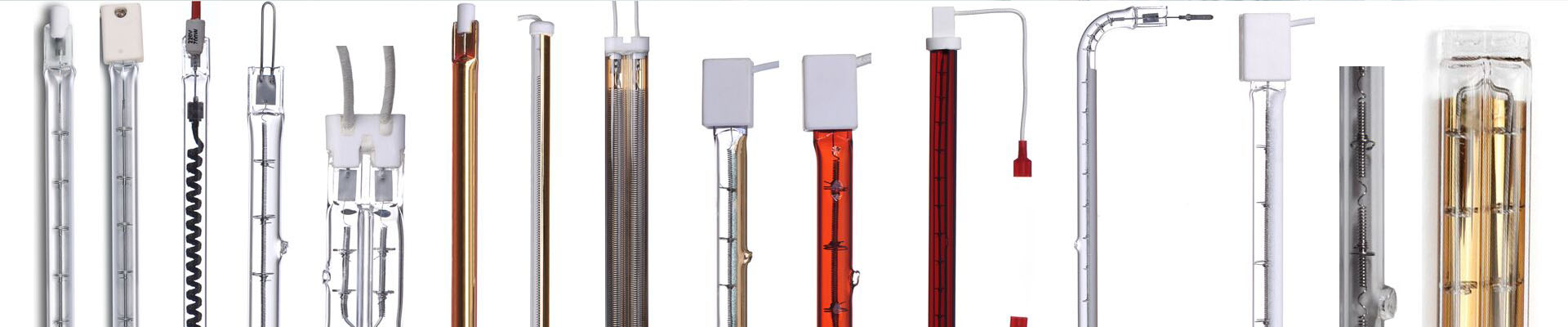
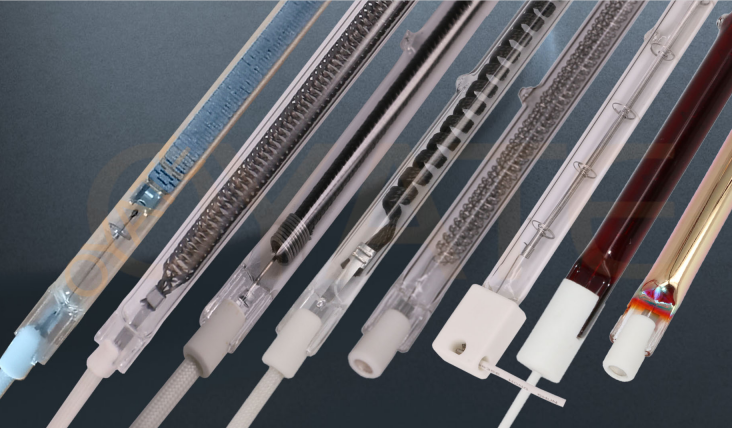
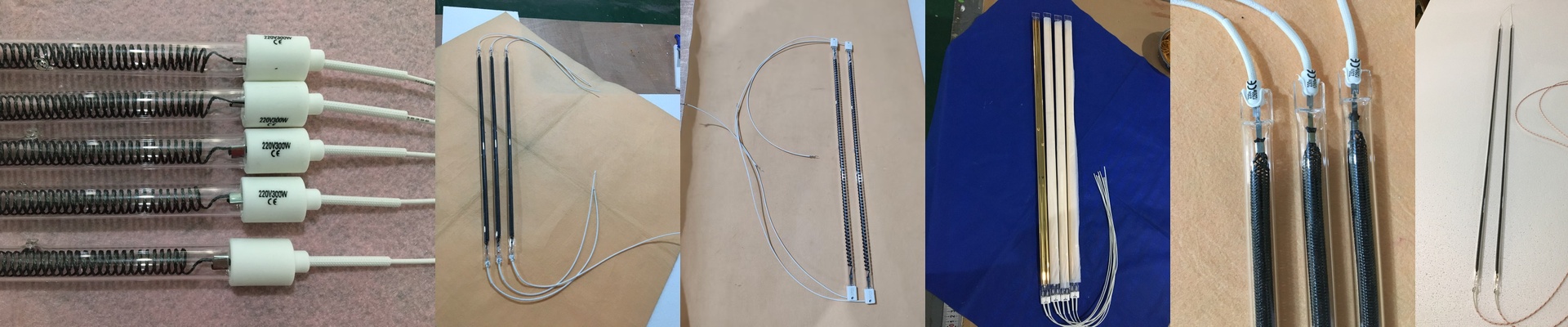
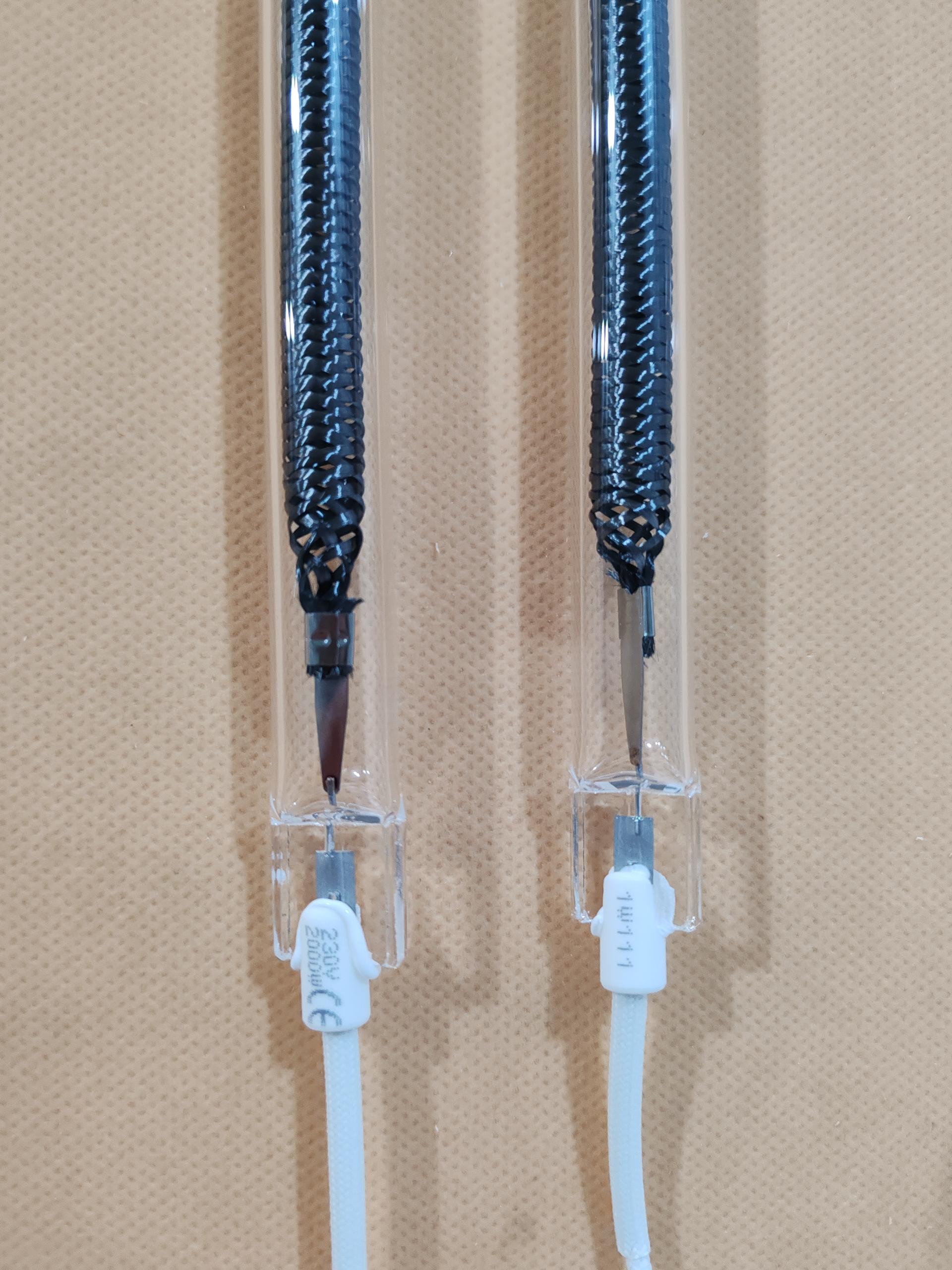
Most people think all heaters are the same, but carbon infrared lamps are a different beast. Instead of the usual quartz, we use a carbon fiber filament. We build these for the tough jobs—the ones where you need a massive amount of heat, and you need it now. Let’s talk power. When you’re picking a lamp, the relationship between voltage and wattage is what really drives your heat flux. If you cram high wattage into a short tube, you get an intense blast of heat. It ramps up incredibly fast. But there’s a catch. That intensity puts a lot of stress on the filament. If you’re pushing these to their voltage limit, your power supply has to be rock solid. One bad voltage spike and—pop—your filament is gone. The build quality We wrap the carbon core in high-purity quartz to keep it safe. Some of our versions have special coatings that shift the heat into the medium-wave spectrum. This is a huge help if you’re trying to get heat deep into plastics or thick coatings rather than just warming the surface. On the connection side, we stick with R7s or Sk15 connectors. They’re standard, which means they usually drop right into most industrial ovens without a fight. They fit tight, too. You don’t want your lamps rattling or sparking while the machine is vibrating. Where these actually work (and where they don’t) If you’re blowing PET bottles or curing automotive paint, these are your best bet. The carbon filament hits its operating temperature almost instantly. It basically kills your warm-up cycle. Just a heads-up: these aren’t tanks. Carbon lamps are a lot more fragile than those chunky, metal-sheathed heaters. They can’t take a hit, so make sure they’re snug in their housing. And please, check your fans. These things put out so much heat that your connector housings can actually melt if the airflow isn’t right. If the air stops moving, the lamp overheats, and that’s when things fail.