How to stop that annoying brake squeal
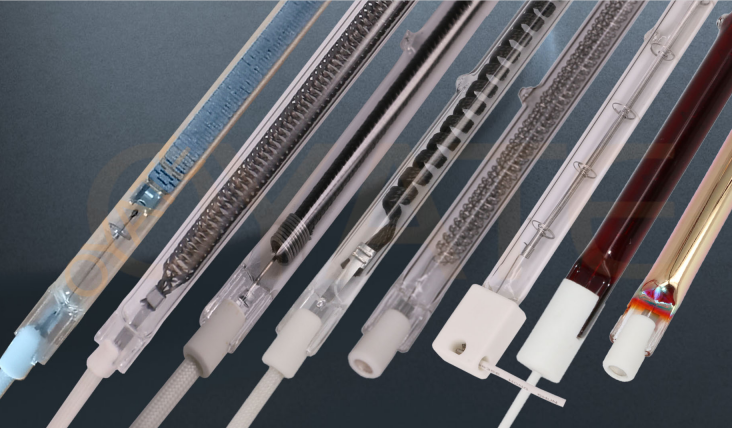
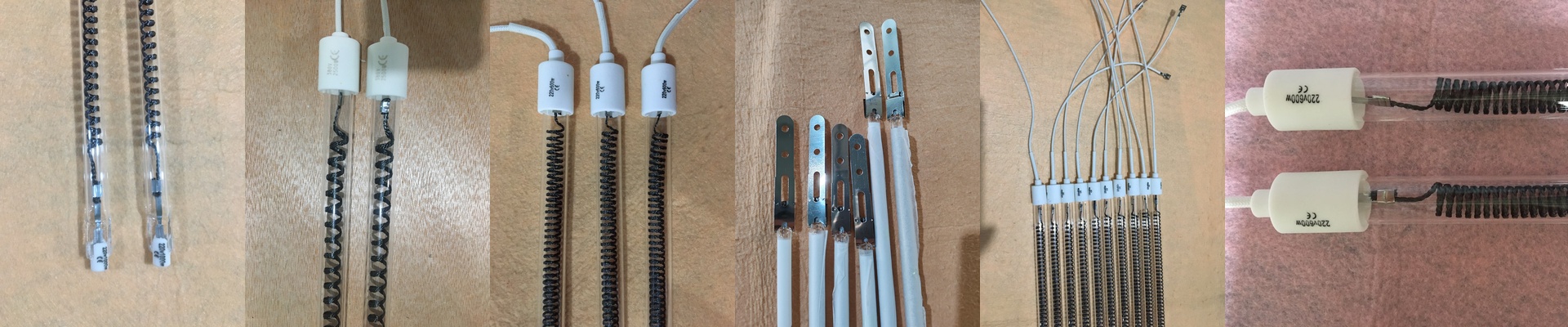
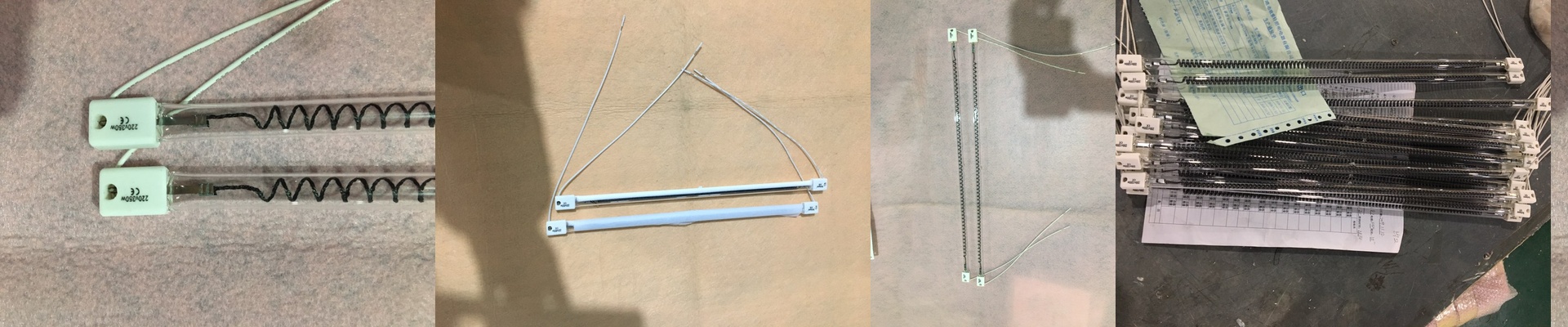
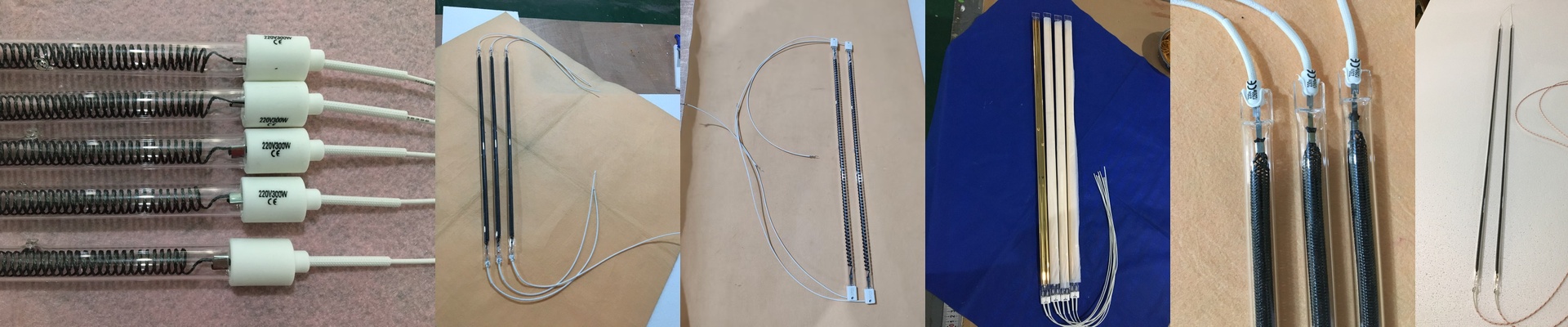
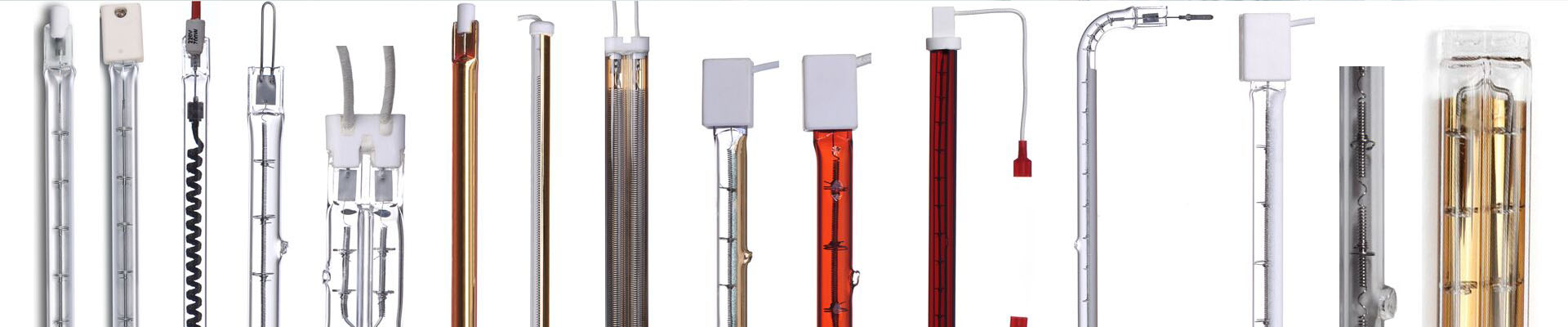
Ever wonder why some brake pads just won’t stop screaming? Most of the time, it comes down to how they were dried. If you’re using standard hot air ovens, you’ve got a problem. The outside of the pad dries way too fast. This traps moisture and solvents inside the material, creating a mess of internal stress and weird density patches. When that pad hits the rotor under load, it vibrates. And that vibration is exactly what you hear as that high-pitched squeal. Here is how we actually fix it. We use shortwave infrared (IR) emitters. Think of it like a microwave versus a toaster oven. Instead of just heating up the air around the pad, IR sends energy straight into the material. The heat hits the core and the surface at the same time. This lets the resin bond evenly through the whole thickness of the pad. You end up with a consistent, solid piece of material. No weird spots, no vibrations, and—most importantly—no noise. Getting it right on the floor To make this work, we use high-wattage quartz lamps. They put out a concentrated blast of heat that forces the curing process to happen deeper and faster. The best part? You can tweak the ramp-up speed so you don’t accidentally scorch the surface. Usually, we set these up in a conveyor tunnel. We overlap the radiation patterns from the lamps so there aren’t any “cold spots” as the pads move along the belt. The catch Now, this isn’t a “set it and forget it” kind of setup. Because the heat is so intense, your conveyor speed has to be spot on. If a pad hangs out under those lamps for too long, you’ll burn the organic binders and ruin the batch. Plus, you need a solid ventilation system. If you don’t pull those evaporating solvents away quickly, they’ll settle back on the pad and leave a sticky film. To keep everything stable, we just wire it up with a PID controller and a thermocouple. It gives you real-time feedback so you aren’t just guessing.