Stop the Warp: Getting Your Automotive Parts to Actually Stay Put
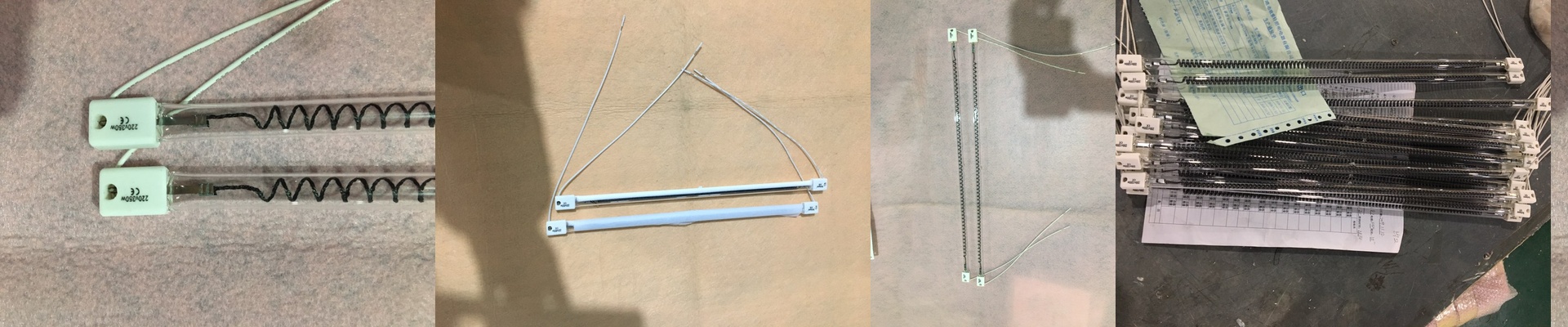
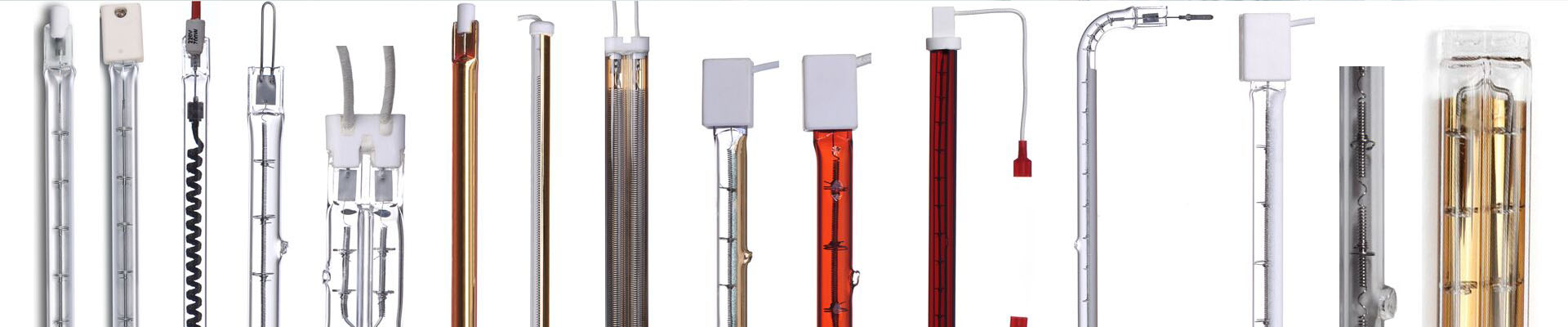
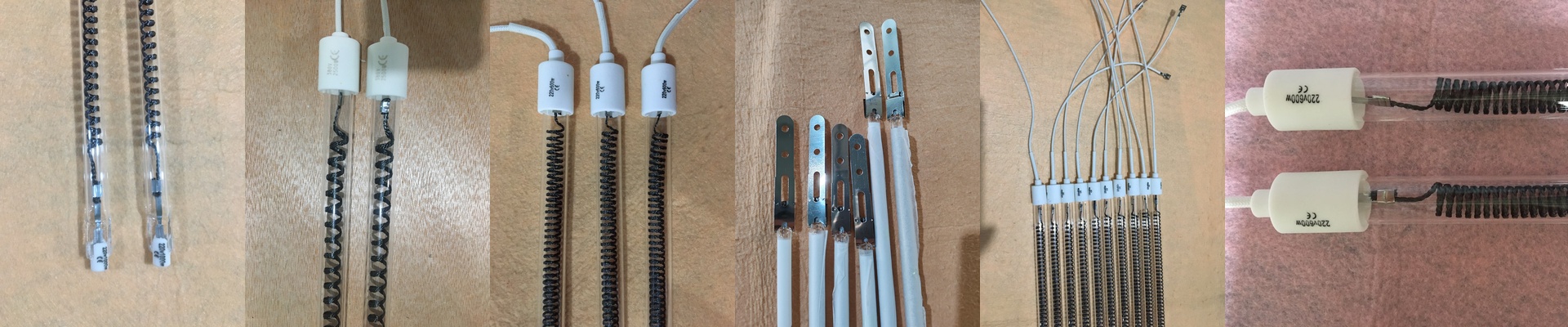
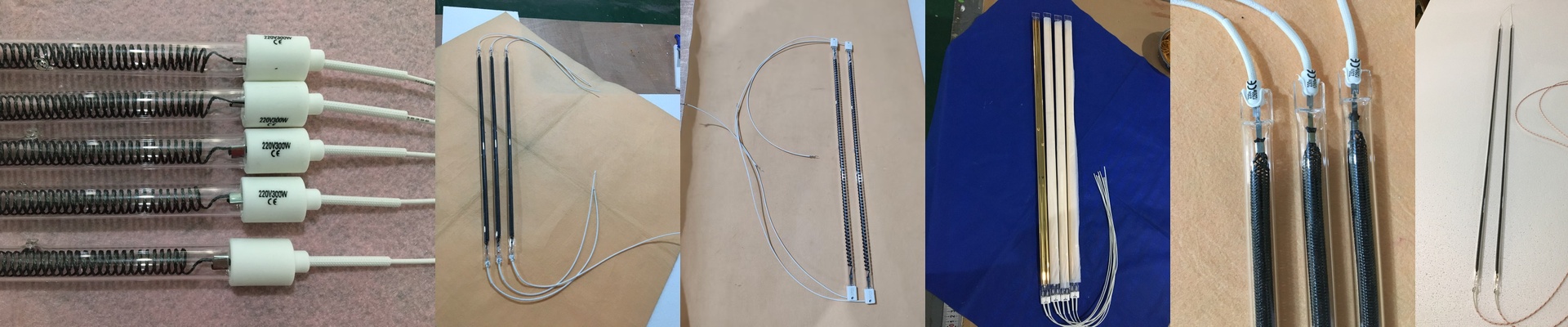
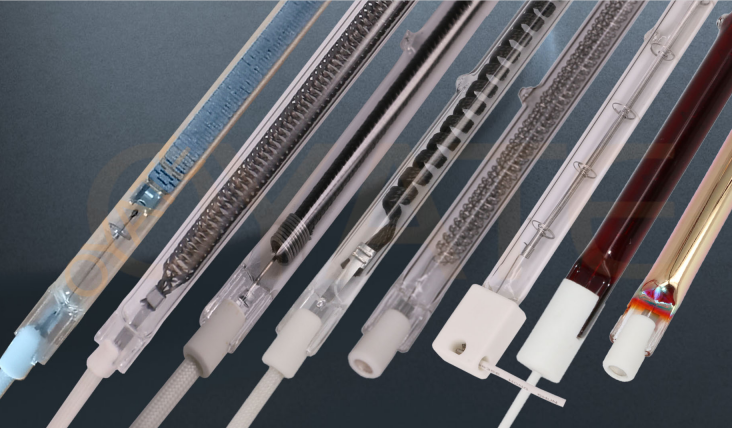
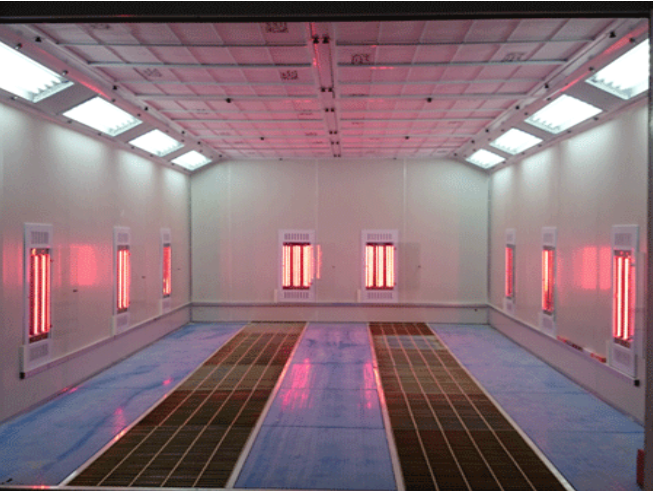
Ever pull a part off the line only to watch it slowly twist or spring back right in front of you? It’s frustrating. You’ve done the work, but because those internal stresses didn’t get neutralized during the heat cycle, the part decides to do its own thing. That’s where zonal IR heating comes in. Instead of just blasting the whole piece with a wall of heat and hoping for the best, we split the heating area into independent zones. It lets you target the tricky spots and specific geometries of the part. It’s the difference between using a sledgehammer and a scalpel. Why the “zones” matter Standard heaters are notorious for creating hot spots or leaving the edges too cold. Not great. We use multi-zone IR arrays to keep the temperature steady across the whole material. Each zone has its own PID controller, so you can dial in exactly what you need. Thick sections get more juice; thin walls get less. When you get the heat this precise, you stop that uneven shrinkage that pulls your parts out of spec. Getting rid of the “memory” If you want a part to stop rebounding, you have to hit that glass transition temperature consistently across the entire surface. Our IR setups are all about speed and penetration. Shortwave IR hits the material hard and fast, driving heat deep into the substrate to relax those molecular chains. Think of it as “baking out” the stress. Once the part is formed and cooled, it just stays put. No surprises. A few things to watch out for Now, here’s the catch. High-density IR arrays put out a massive amount of heat. You can’t just toss these into any old frame and call it a day. The heat load on your machine housing is real. If your cooling fans or water jackets aren’t up to the task, you’re going to fry your sensors or warp your tooling. Before you wire up a high-wattage system, double-check your airflow CFM. And do yourself a favor: use shielded cabling. If you don’t, the EMI from the switching relays will mess with your thermocouples, and you’ll be chasing ghosts in your data all day.