Getting Your IR Wavelength Right for Brake Pad Curing
Here’s the thing about curing brake pads: you can’t just set one temperature and walk away. It doesn’t work like that. You’re usually dealing with either ceramic or semi-metallic materials, and they react to heat in completely different ways. If you treat them the same, you’re asking for trouble. You’ll either end up with a core that’s barely cured or a surface that’s totally scorched.
Why the material actually matters
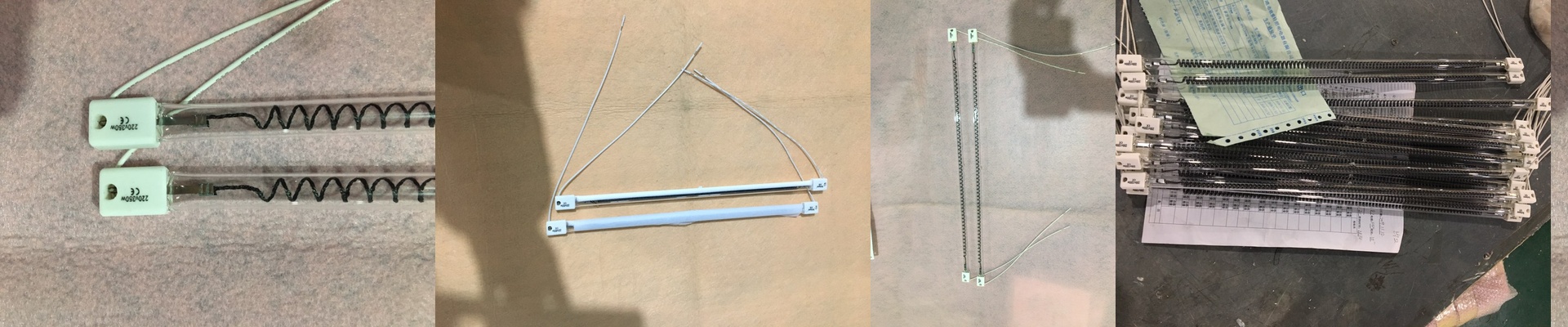
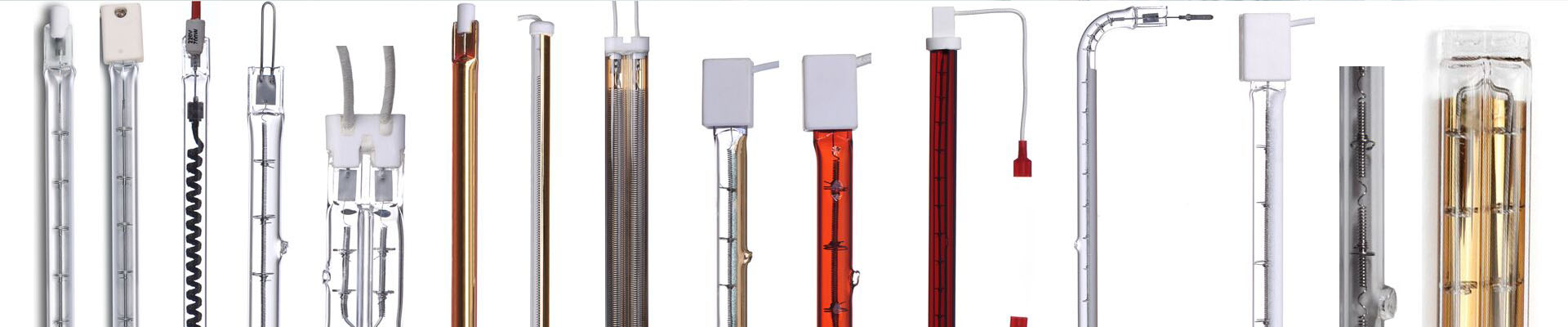
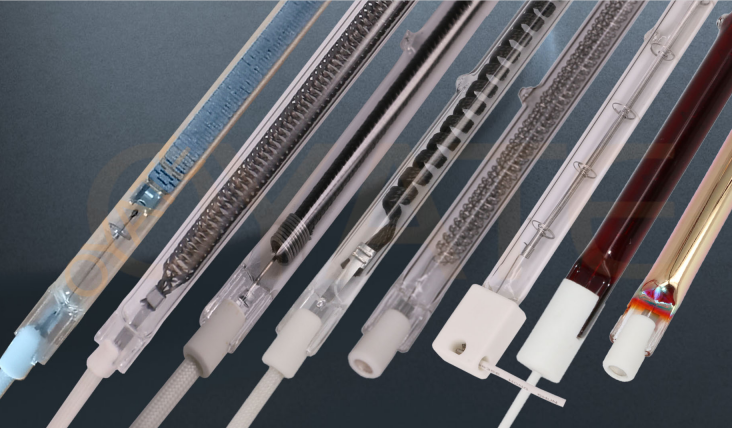
It all comes down to how the material “grabs” the heat. Semi-metallics are packed with copper and steel fibers. They love short-wave infrared (SWIR) and soak it up fast. But ceramics? They’re more like insulators. They fight the heat. To get around that, we shift the focus toward medium-wave IR for ceramics. It’s the only way to make sure the heat actually gets deep into the friction material instead of just sitting on top. For the semi-metallics, we go with high-intensity short-wave lamps. It gets them up to temp quickly so you aren’t wasting half your day waiting for a cycle to finish.
The tricky part: Power and Heat
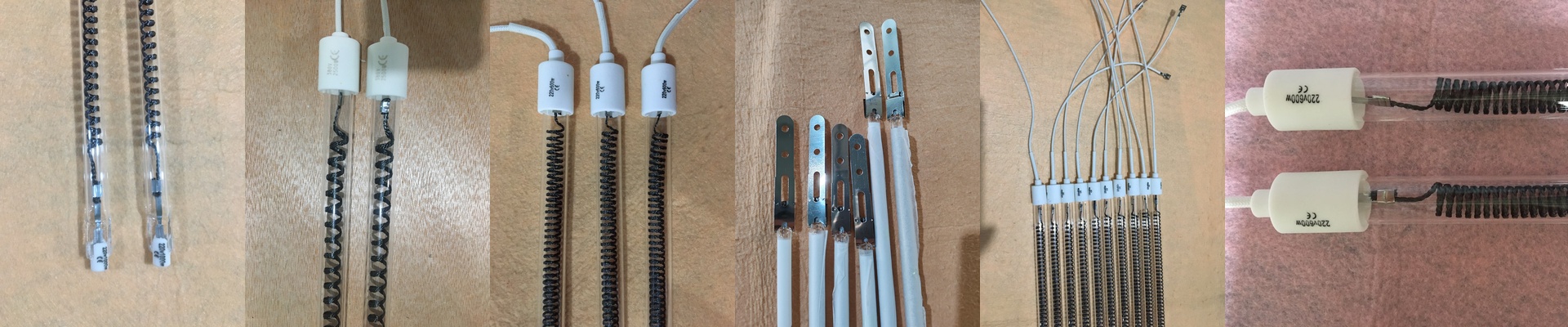
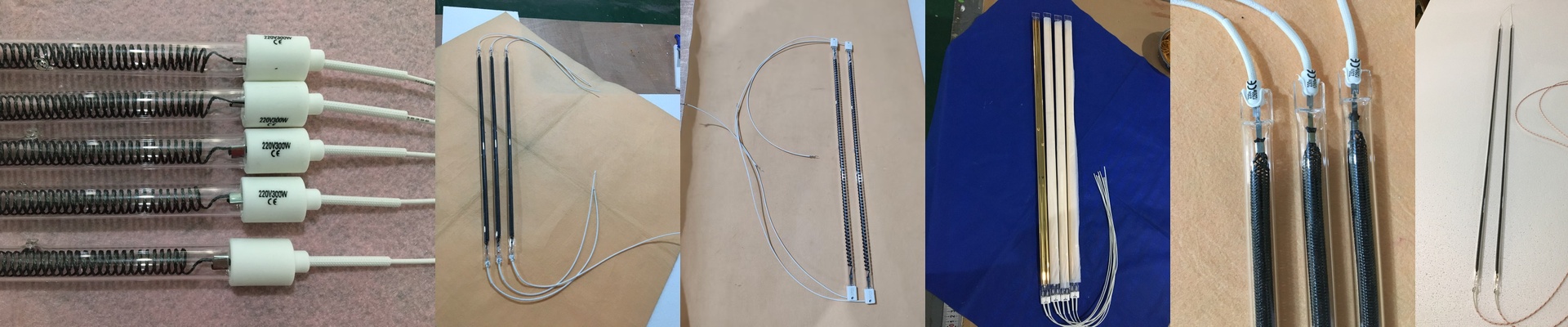
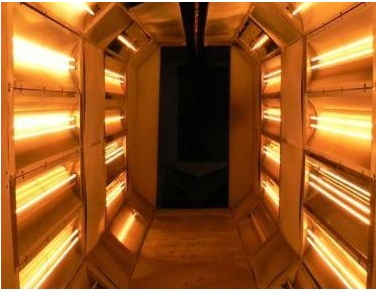
We use high-density quartz halogen elements to keep the equipment compact. But there’s a catch. If you try to cram too much wattage into a short tube to get more heat, you’re risking a burnout—unless your reflectors are dialed in perfectly. We always suggest a focused reflector geometry. It basically herds the heat exactly where it needs to go: right onto the pad surface. And be careful with the power density. Sure, cranking up the intensity cuts your curing time, but it puts a massive strain on your power supply and fans. If your cooling system can’t handle the heat soak, your lamp housings will literally warp. Not a great look.
Dialing it in
We don’t just ship you a lamp and wish you luck. We actually tune the output. We play with the voltage and pulse width until it matches the specific way your compound absorbs heat. The best way to handle this is to wire everything into a PID controller with a pyrometer. This gives you a closed loop of feedback. It’s the only way to make sure you don’t overheat the resin binders. If those binders go, the structural integrity of the pad is gone, and you’ve just made a very expensive piece of scrap.