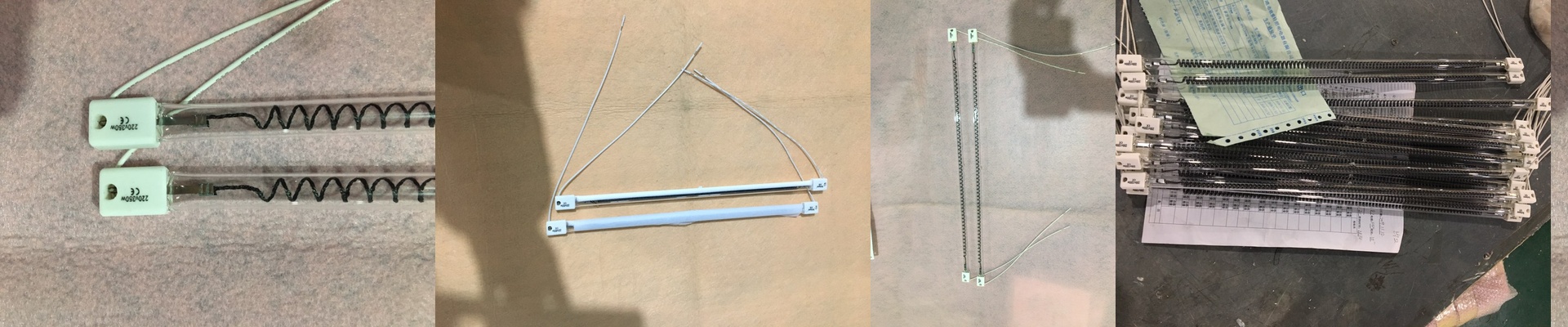
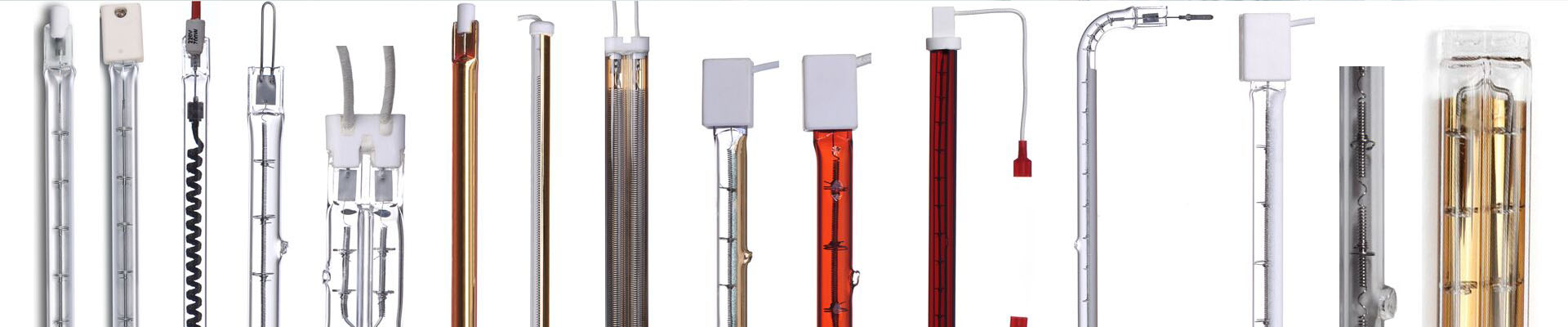
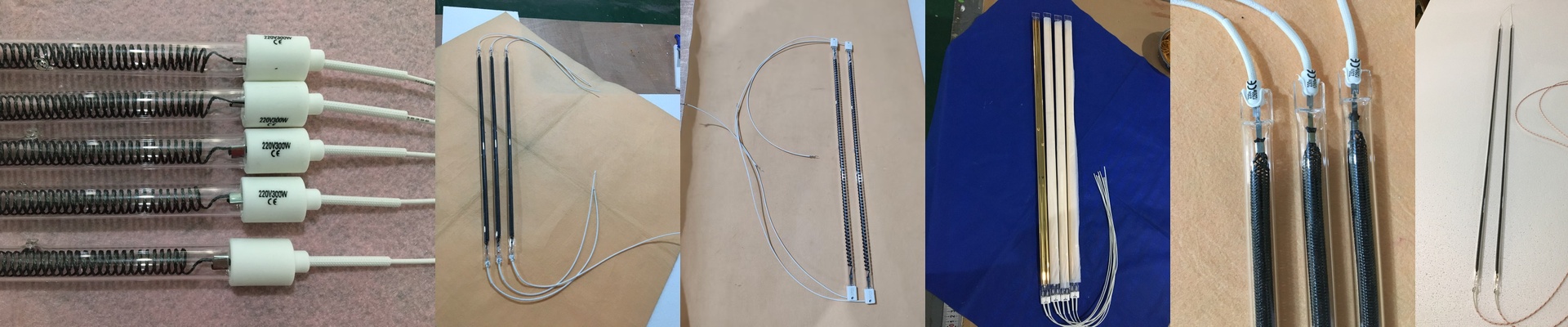
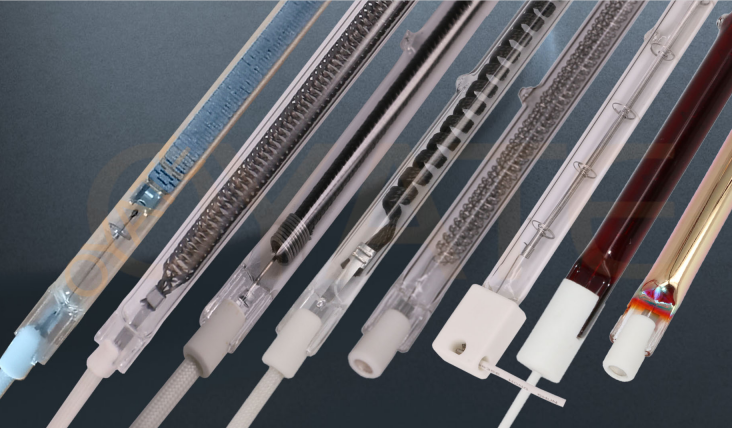
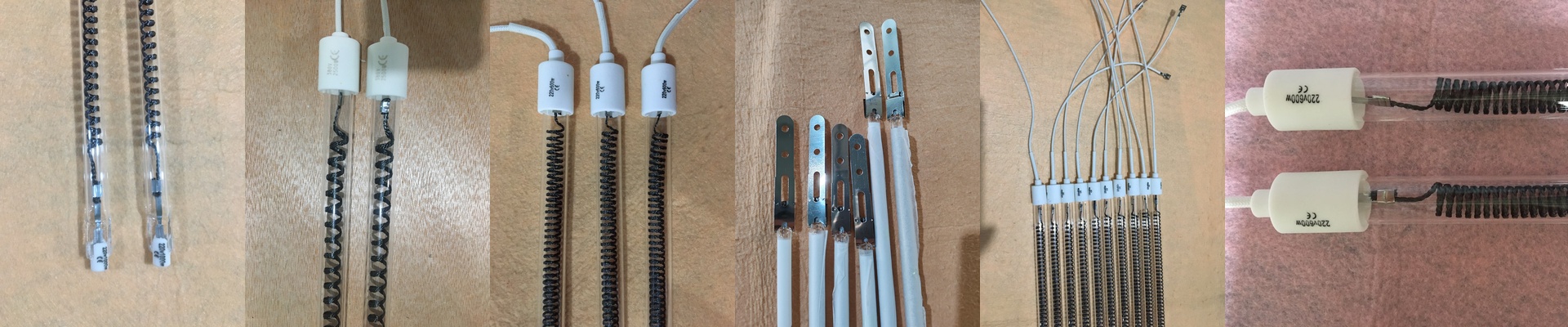
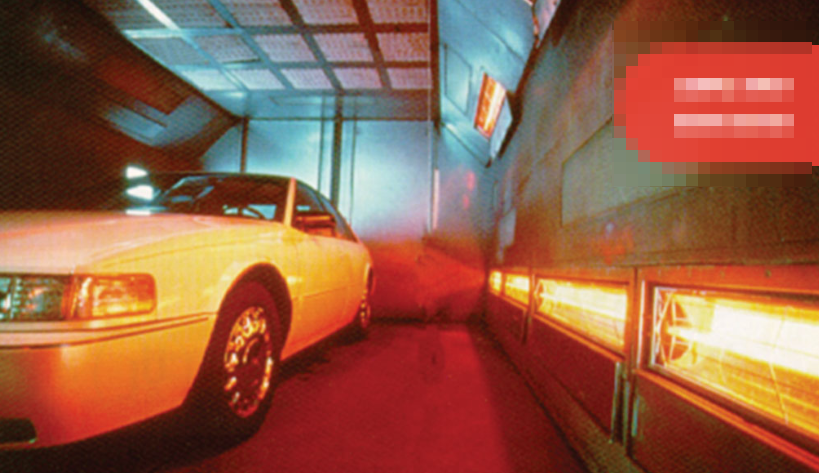
If you’ve ever dealt with brake squeal, you know it’s a nightmare. But here’s the secret: that annoying noise usually starts way before the car hits the road. It starts in the curing oven. When friction materials don’t cure evenly, you end up with internal stress and weird density gaps across the pad. That imbalance is exactly what causes those vibrations and screams when someone hits the brakes. We figured out a better way. Instead of relying on standard convection heat, we use shortwave infrared (IR) penetration. Why the physics matter Standard convection is slow. It heats the surface first and then hopes the heat eventually crawls its way to the center. The problem? With thick materials, the outside often over-cooks before the core even gets warm. Shortwave IR changes that. It basically skips the line and dives deep into the material, triggering the reaction from the inside out. You get a cure that’s uniform all the way through. No guessing. No “cold spots.” The gear Our IR arrays are built for raw power. We use high-wattage quartz lamps that hit target temperatures in seconds. The best part? You don’t have to rip out your whole factory. You can just drop these into your existing lines or use them as a pre-heat stage. But a word of warning: these things are intense. They dump a massive amount of energy into the workpiece, so you have to get your conveyor speed exactly right. If the pads hang out under the lamps for too long, you’ll scorch the surface resins. It’s a powerful tool, but you have to respect it. Less scrap, fewer headaches When you get the cure right, you stop getting that “hard skin” effect. The material stays consistent, the pad wears down evenly, and the friction stays stable. Suddenly, that brake chatter just… disappears. Most shops try to fight the symptoms by throwing in more additives. We think that’s a waste of time. It’s better to just fix the process. We focus on the thermal footprint so that every single pad in your batch comes out exactly the same.