Getting Your Brake Pad Heating Right (No Matter the Size)
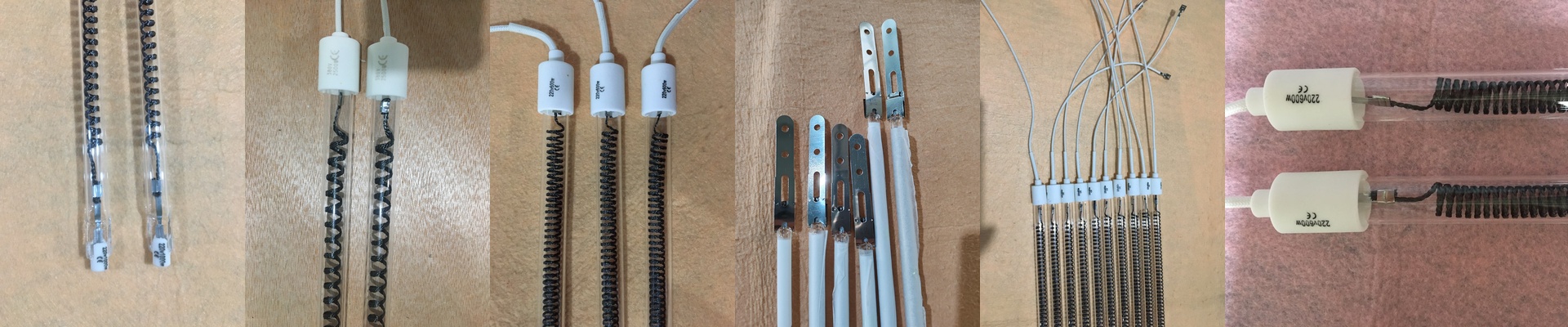
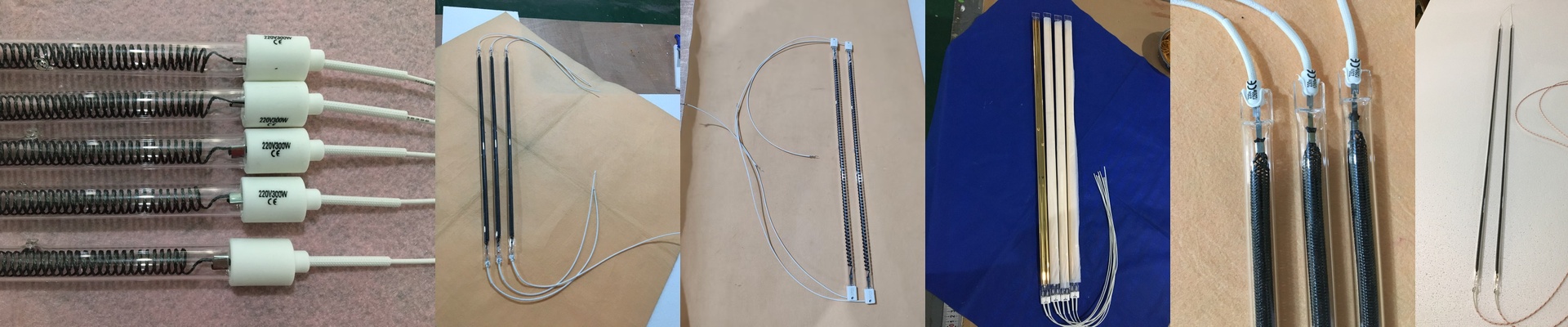
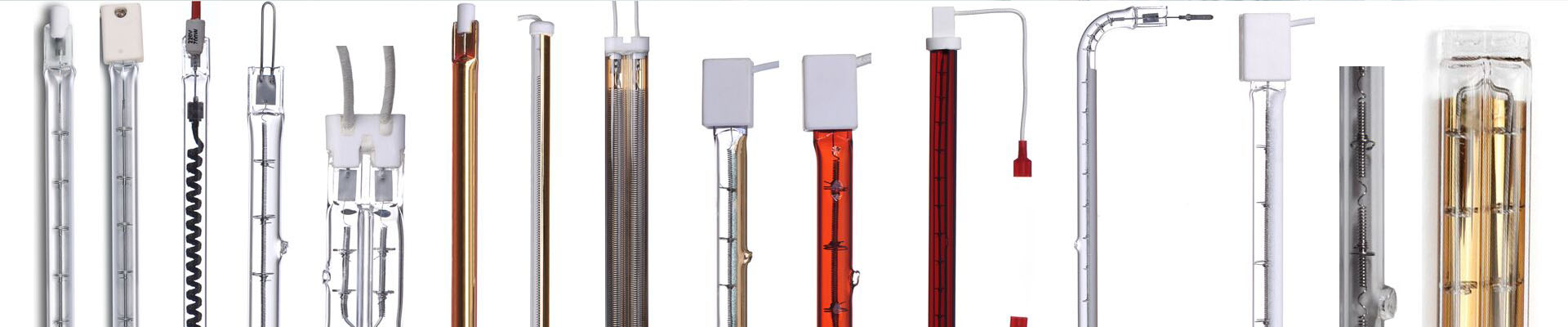
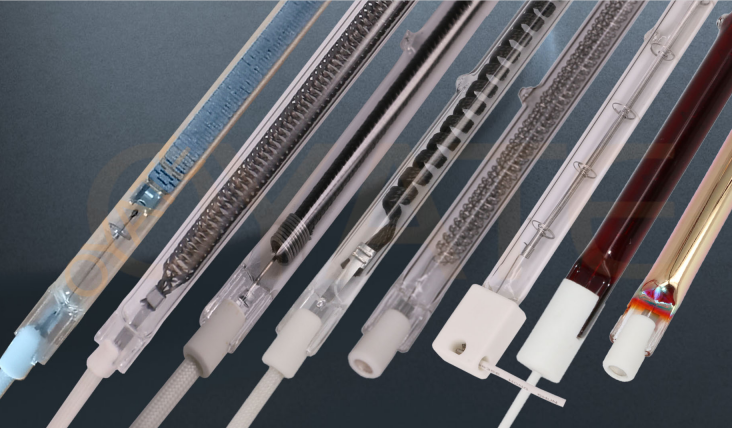
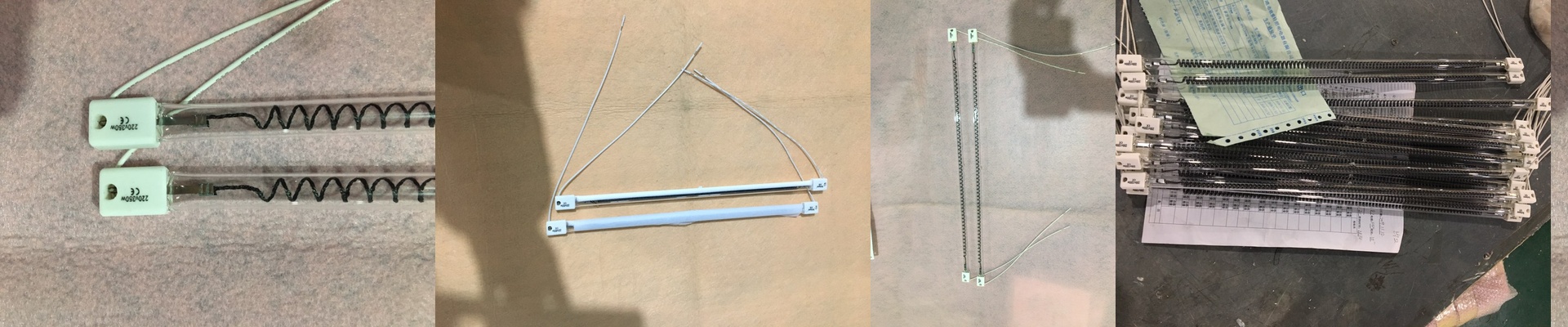
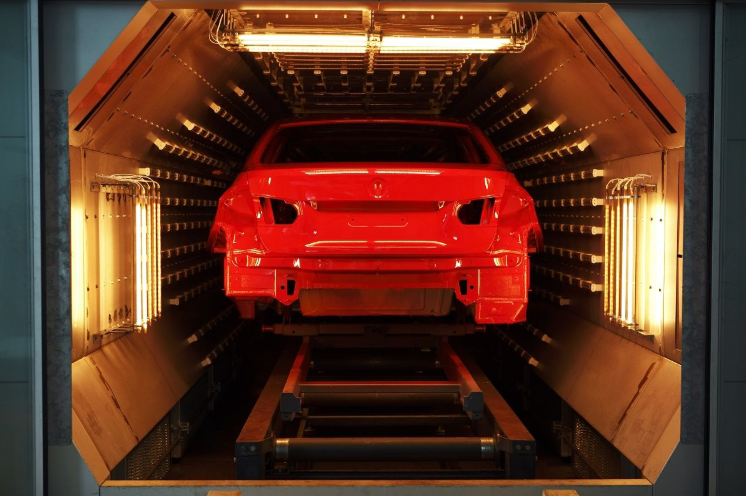
Here’s a problem we see all the time: uneven heat. It happens when you’re running a coating line and switching between small passenger car pads and those massive heavy-duty truck pads. If your lamp array is just a fixed grid, you end up with a mess—some spots are scorching while others are barely warm. It’s a headache you don’t need. To fix this, we don’t just throw lamps at the wall. We map them out based on how the part actually looks. Instead of a boring, uniform grid, we cluster the lamps where the coating actually needs the heat. For the bigger pads, we pack more lamps into the center. Why? Because the edges lose heat faster. By beefing up the middle, the core of the coating hits the right temp without burning the edges to a crisp. Now, picking the right lamps is where things get tricky. Shortwave infrared is great because it ramps up fast. If you’re pushing for high volume, you want that speed. But there’s a catch: it doesn’t dive deep into the coating like medium-wave does. You might be tempted to just crank up the wattage to compensate.Don’t do that. Pushing too many watts into a short tube puts a ton of stress on your wiring and fans. If you just “turn it up” without fixing your ventilation, you’ll literally warp the housing of the heating wall. It’s a balancing act. The way we actually build these is by making them modular. Think of it like a sliding puzzle. You can move the lamps up or down to hit the sweet spot for whatever car model you’re running that day. We pair this with independent PID controllers for each zone. This means you can tweak the heat for one specific batch without messing with the rest of the wall. It turns what used to be a rigid, static oven into a tool that actually bends to your needs. No need to tear everything down and rebuild just because your part size changed.