Getting Your Brake Pad Curing Right: Ceramics vs. Semi-Metallics
If you’ve ever dealt with “skinning,” you know the headache. You pull a brake pad out of the oven, the surface looks perfect and hard, but the core is still mushy. It’s a nightmare. The trick to avoiding this is getting the heat to actually penetrate the material rather than just scorching the top. But here’s the catch: not all friction materials play by the same rules.
Picking the Right Wave
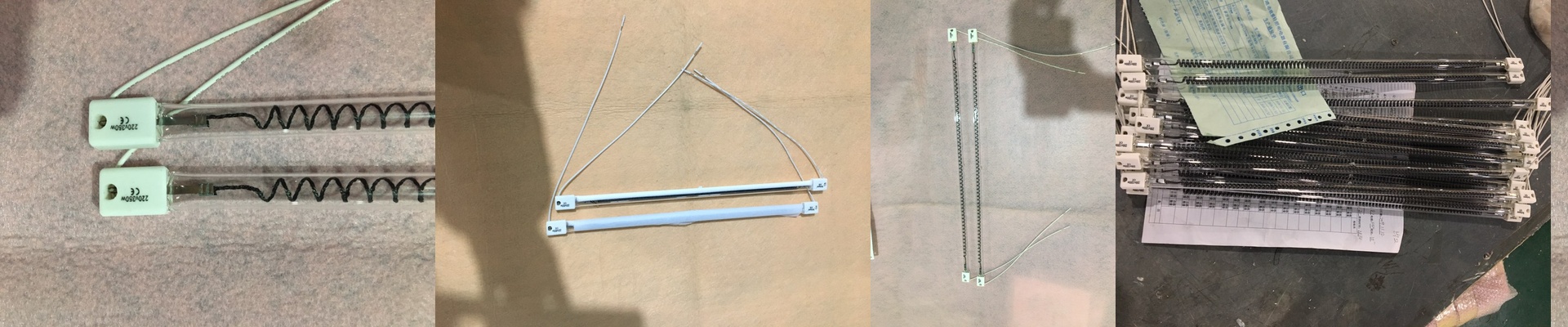
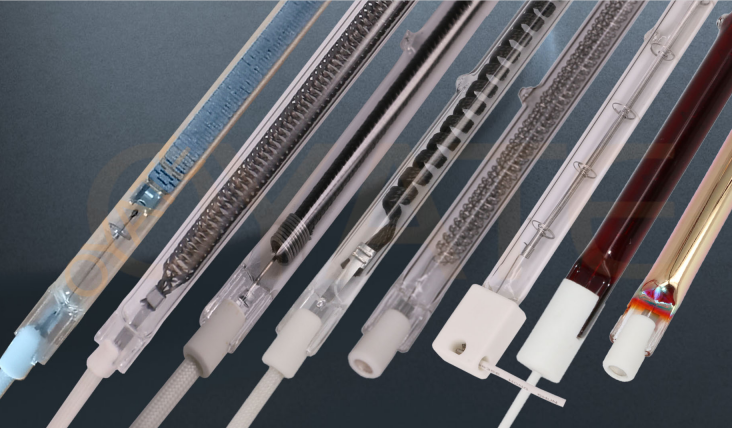
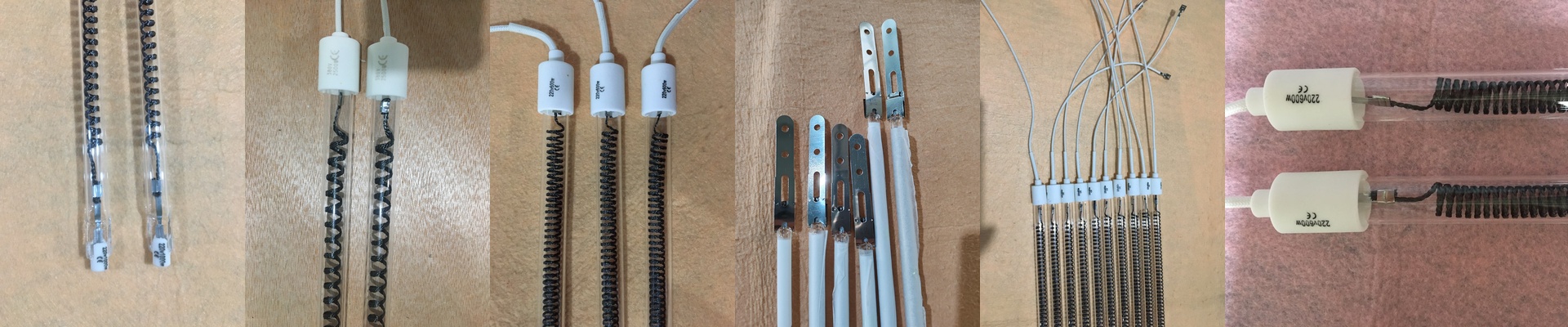
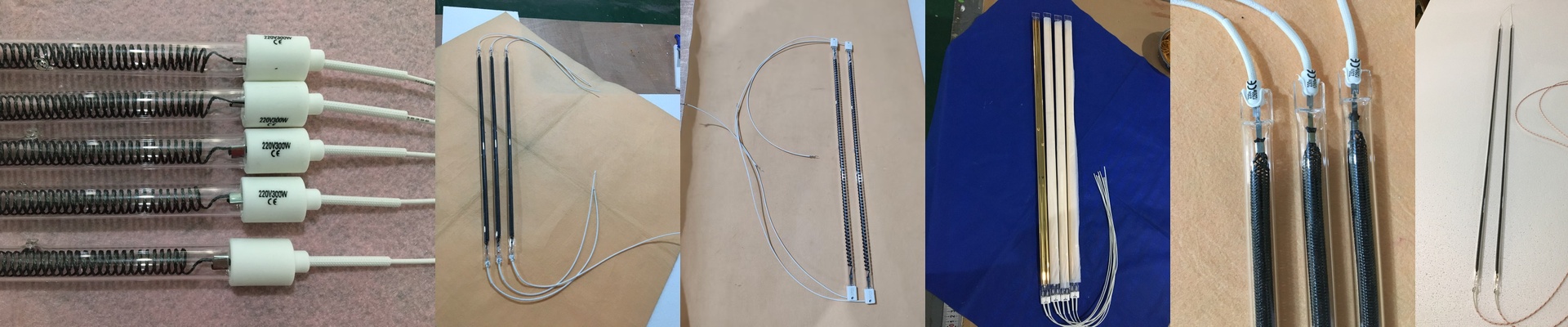
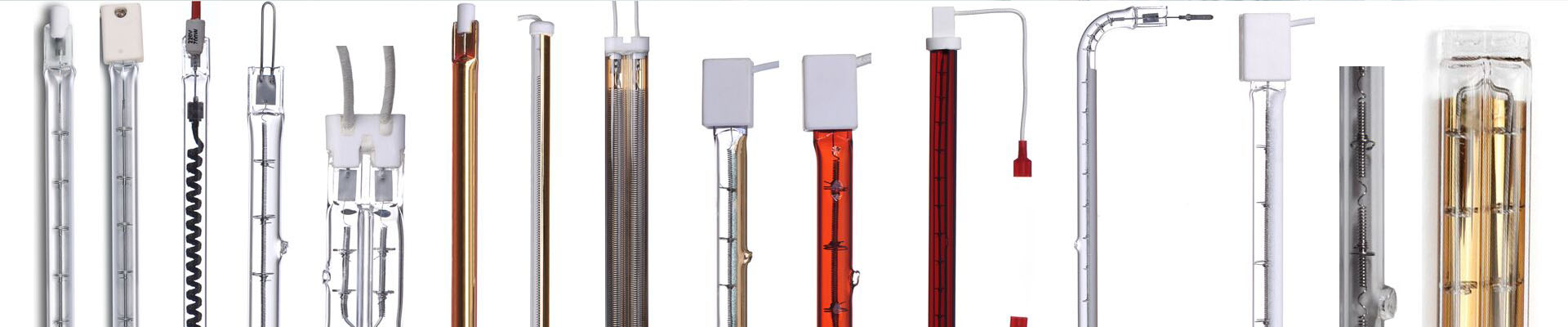
Ceramics and semi-metallics handle heat very differently. Semi-metallics are packed with copper and steel fibers, so they soak up and spread heat fast. Ceramics are a different story—they’re much slower to conduct heat. That’s why a “one size fits all” IR setup usually fails. For those thick ceramic blocks, we lean towardshortwave IR. It digs deeper into the material, which keeps your cycle times from dragging on forever. For semi-metallics, medium-wave is usually the sweet spot. It gets the job done without overheating the surface.
Tuning the Oven
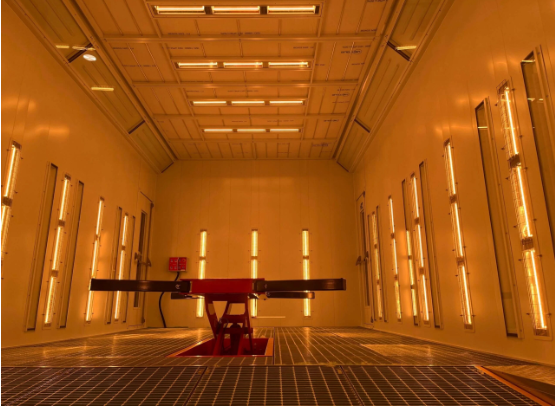
We don’t just blast the pads with heat. We use zoned heating in our continuous ovens. Think of it like a gradient. You can crank the power at the start and then taper it off as the pads move through the tunnel. This stops the material from going into thermal shock. To make this work, we use quartz heaters with specific coatings. It’s all about matching the light spectrum to what the material actually wants to absorb. Now, you might be tempted to just throw in high-wattage lamps to speed up the line. It works, but there’s a trade-off. More kilowatts in a small space means your cooling system has to work overtime. If your fans aren’t up to the task, the ambient temperature starts to creep up. Eventually, that heat kills your heater seals. It’s a balancing act.
Keeping the Flow
The goal is to stop bottlenecks. We match the conveyor speed exactly to the thermal soak time so nothing sits too long or rushes through. We pair everything with PID controllers to keep the temperature in a very tight window. That way, every single pad hitting the assembly line feels the same and hits the hardness spec every time. No guesswork, just consistency.