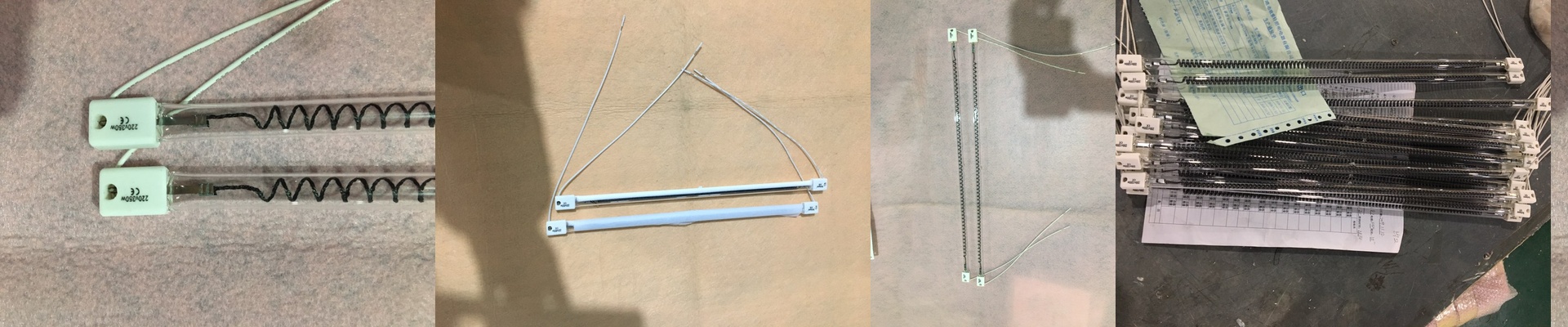
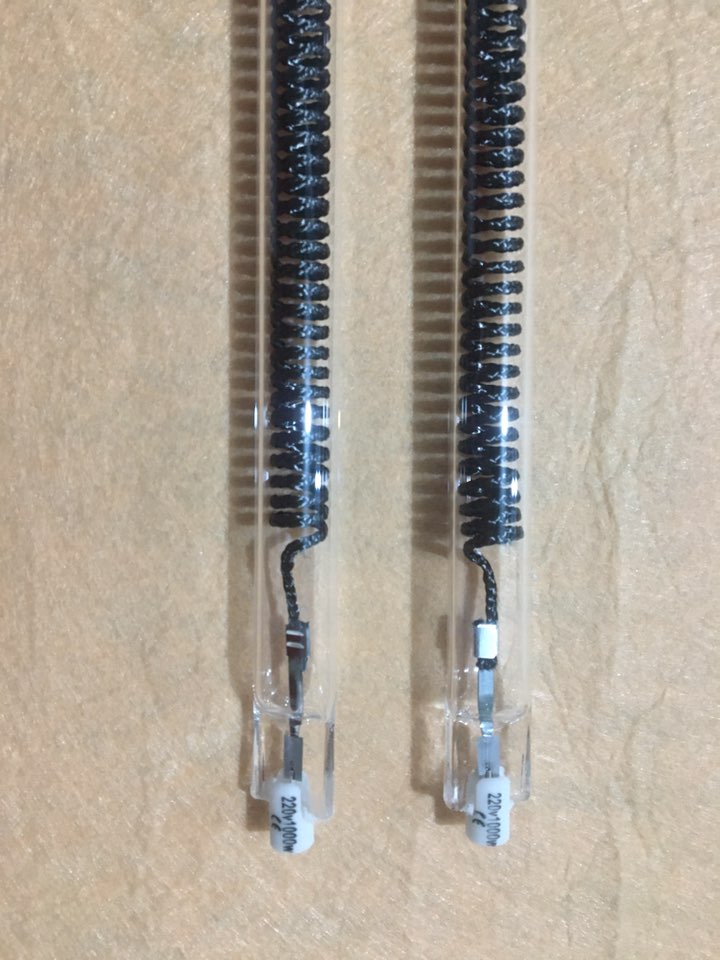
Let’s Talk About Carbon Fiber Heating Wire
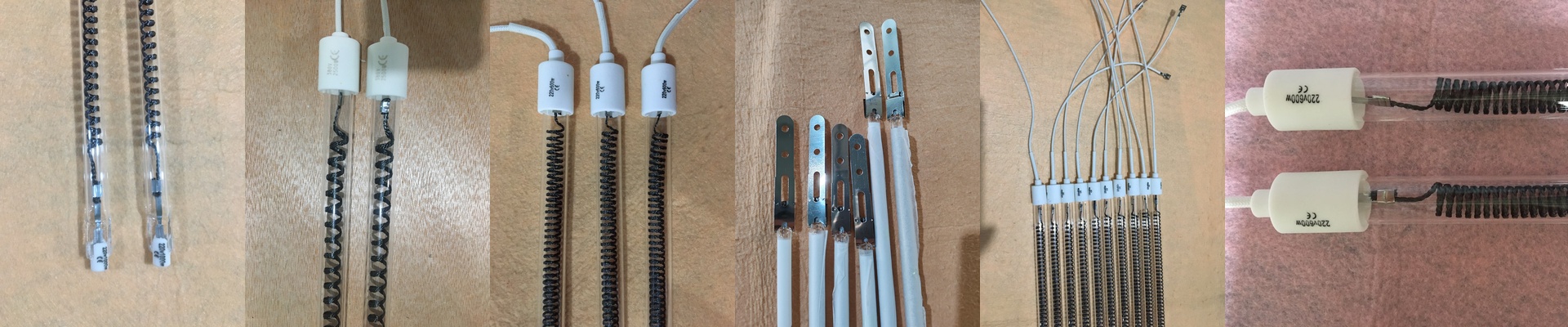
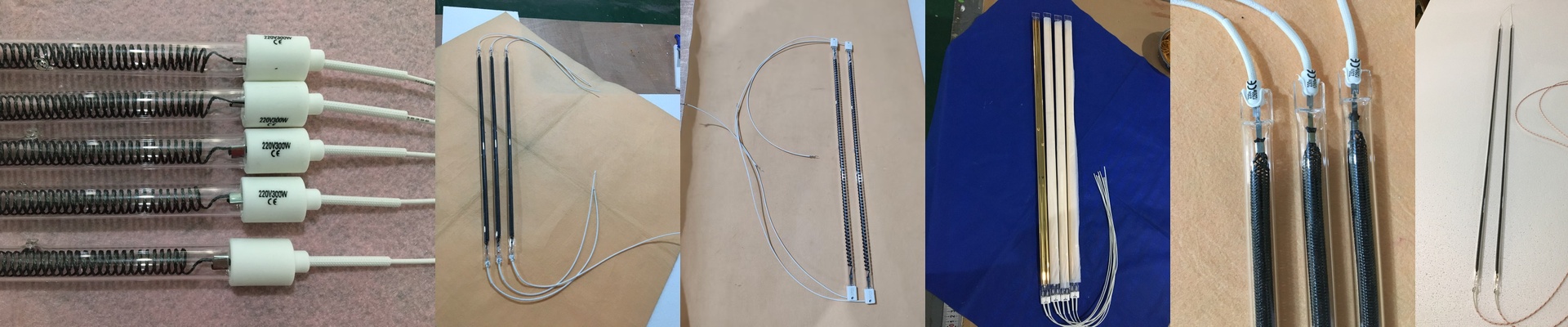
Basically, carbon fiber heating wire works by pushing electricity through carbon filaments to create heat. We make these by weaving carbon fibers into a conductive core and then wrapping them in something like PTFE or silicone to keep things safe. The best part? It handles the physical stress of a job way better than the old-school Nichrome wires we used to rely on.
The Nitty-Gritty on Heat and Power
How much heat you get comes down to the fiber density and the cross-sectional area. We usually measure this in watts per meter (W/m). Here is the real win: carbon fiber doesn’t really stretch or sag when it gets hot. Metal wires do that, which creates those annoying “hot spots” that eventually burn out. With carbon, that’s not an issue. Plus, you’ve got options. You can run it at low voltage if you’re worried about safety, or crank the voltage up if you need to keep your power supply small and out of the way.
Built to Last
To stop short circuits, we wrap the core in high-temp coatings. If you’re dealing with nasty chemicals,PTFE is your best friend. But if you need to bend the wire around tight, awkward corners without it cracking, go withsilicone. And since carbon fiber doesn’t oxidize, you don’t have to worry about rust or flaking, even in humid spots. It’s a great choice for those corrosive environments where other heaters just give up.
The Trade-offs (What to Watch For)
You’ll see these wires everywhere—from heated floors and aircraft de-icing to PET blowing molds. They’re incredibly flexible, so you can snake them into weird shapes where rigid tubes just won’t fit. But there’s a catch. Carbon fiber reacts differently to heat than metal does. As the wire warms up, the resistance shifts. If you don’t tune your PID controller to handle that change, your temperature will overshoot and you’ll be fighting the settings all day. One last tip: don’t push the wattage too hard in a tight space. If you do, you might melt your insulation before the core even hits the temperature you want. Just make sure your insulation grade matches your max heat. Simple as that.
- Carbon Fiber
- Heating Wire
- Thermal Conductivity
- Industrial Heating
- Resistance
- Carbon
- Fiber
- Heating
- Wire
- 1500w-230v-Sk15-Half-White-Ir-Heater-Lamp-Halogen-Infrared-Heat-Lamp-for-Pet-Bottle-Blowing-Machine
- 2500w-415v-R7s-Replacement-Infrared-Lamp-Halogen-Infrared-Lamp-Heater-for-Pet-Blowing-Machine
- 2500w-415v-R7s-Half-White-Plated-Halogen-Lamp-Infrared-Heating-Lamp-Heater-for-Pet-Blowing-Machine
- 230v 2000w Clear Infrared Quartz Heat Lamp With Sk15 for Pet Blowing Machines
- 2500w 400v Sk15 Ir Heater Lamp Half White Halogen Infrared Heat Lamp for Pet Bottle Blowing Machine
- 2000w 240v Sk15 270mm Halogen Infrared Heat Lamp for Pet Bottle Blowing Machine
- 350mm 220v 1500w Halogen Infrared Heat Lamp for Pet Blowing Machines Plastic Moulding
- 230v-2000w-Half-White-Coating-Infrared-Quartz-Heat-Lamp-for-Pet-Blowing-Machines
- Pet-Blowing-Machine-Heating-1500w-Ir-Heater-Clear-Tube-Infrared-Halogen-Heat-Lamp
- Oem Ir Heater Lamp Quartz Infrared Heating Element Lamp for Blowing Machine