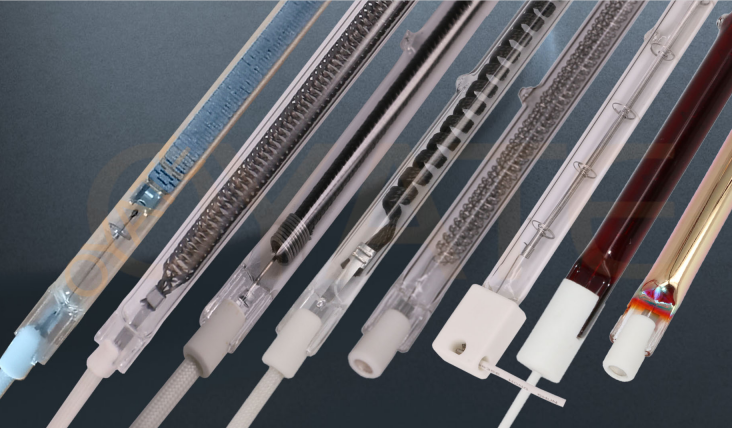
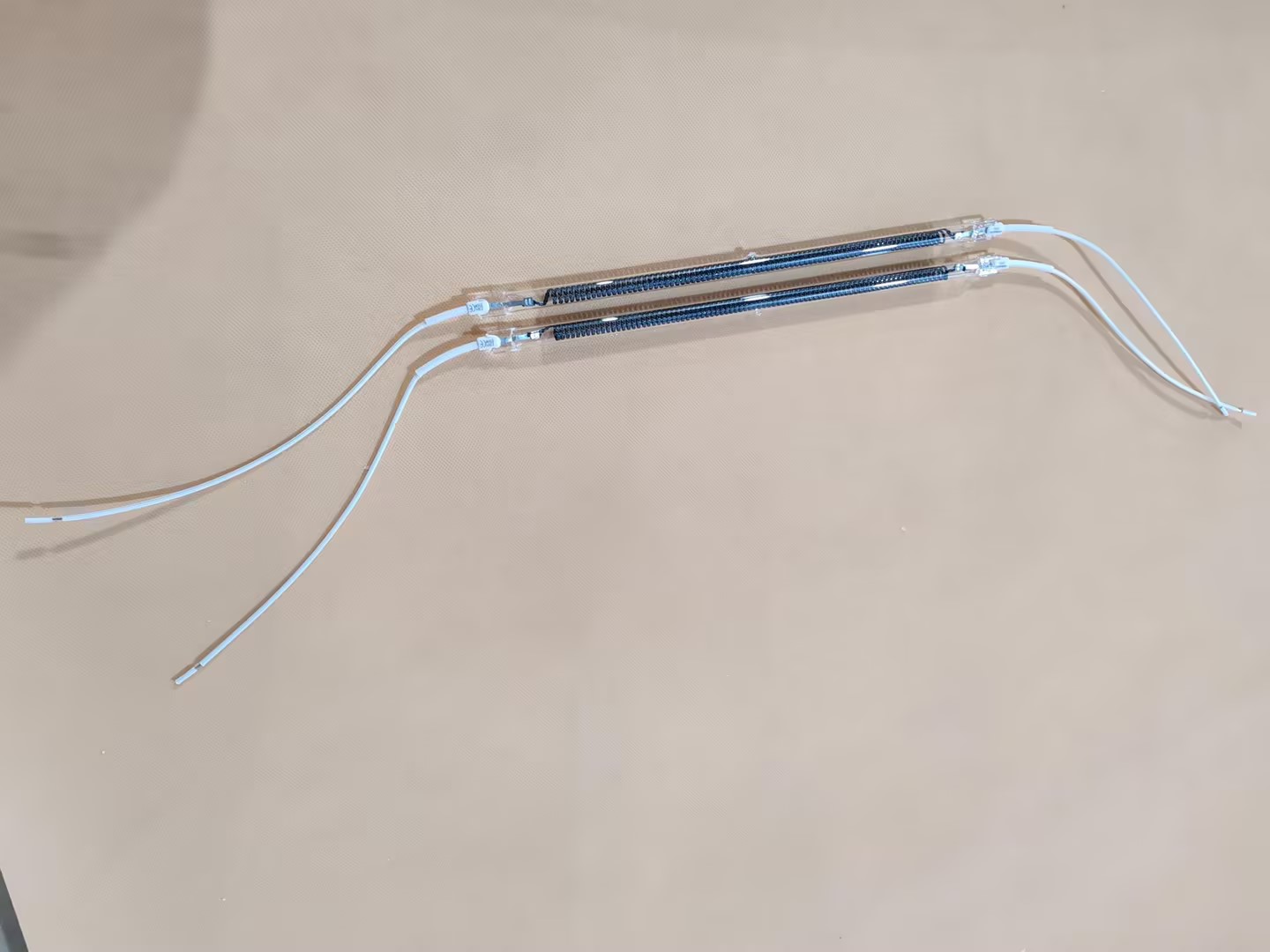
Getting Your Paint to Cure Faster with Carbon Fiber IR
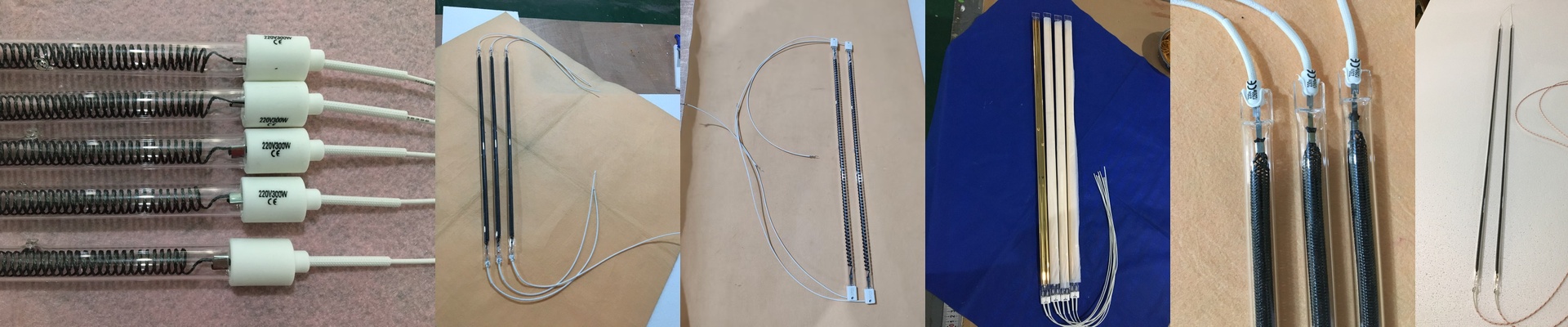
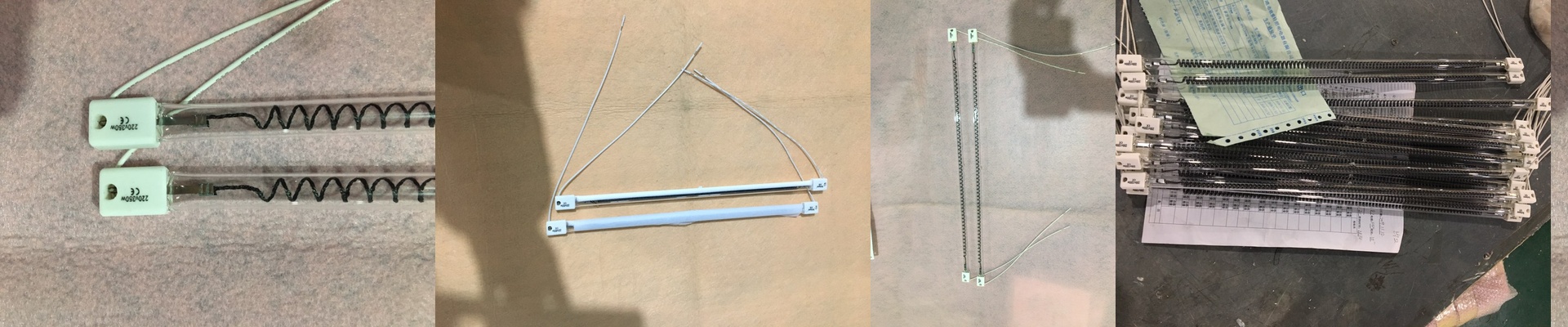
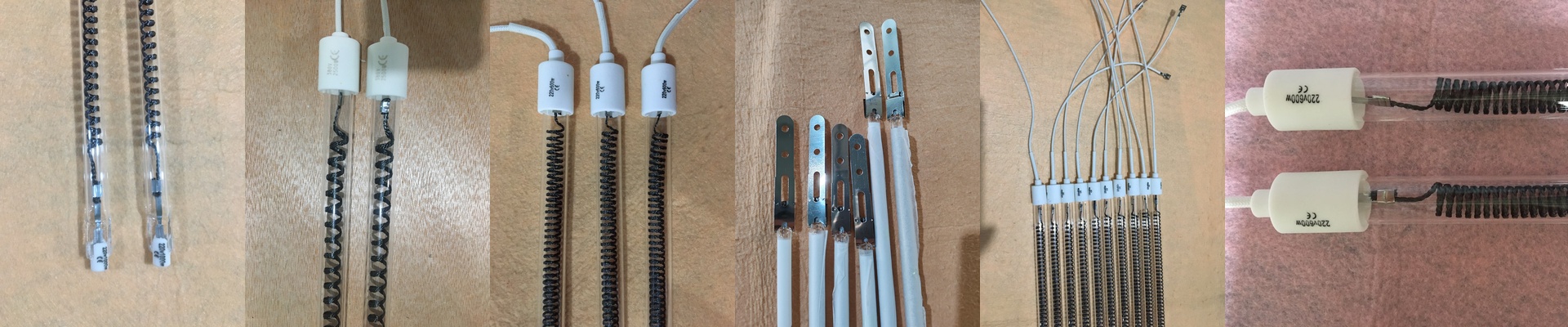
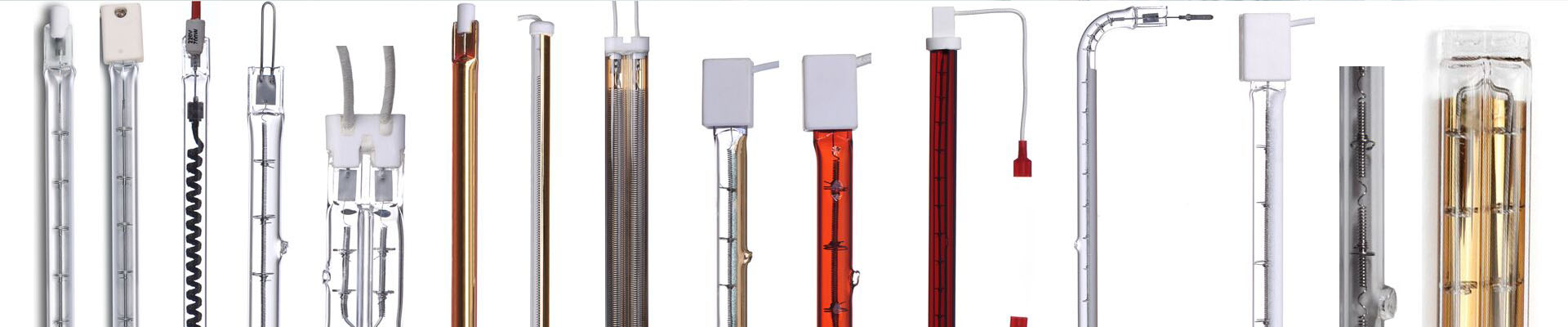
If you’re still using standard quartz heaters, you’re basically dealing with old-school tungsten filaments. We’ve moved past that. By using carbon fiber instead, we get a much wider heat spectrum and a ramp-up speed that’s honestly impressive. When you’re trying to cure industrial coatings, that speed is everything. How the heat actually works Here’s the thing: carbon fiber gives you a massive amount of heat density across the whole tube. When these are in your oven, the energy doesn’t just sit on the surface of the paint. It actually sinks in, vibrating the paint molecules from the inside out. That means you get a cure that’s consistent all the way through. Just a heads-up, though—these things pull a lot of power when they first kick on. Make sure your electrical panels can handle that initial surge, or you’ll be spending your afternoon resetting breakers. The build quality We wrap the carbon fiber element in high-purity quartz. It keeps the filament from oxidizing (which is just a fancy way of saying it stops it from burning up) while letting the IR waves fly right through. The best part? They’re usually drop-in replacements. You don’t have to rebuild your whole setup. Plus, since carbon fiber handles heat stress way better than thin tungsten wires, these lamps don’t burn out nearly as fast, even if you’re switching them on and off all day. Real-world use (and the catch) In a busy shop, these lamps kill the “tack-free” wait time. You can push parts through the line much faster. It’s a lifesaver for automotive or powder coating setups where you don’t have an acre of floor space to work with. But wait—there is one thing you have to watch. Because the heat is so intense,spacing is everything. If you mount the lamps too close to the part, you’ll scorch the top coat before the base layer has a chance to breathe. You’ll end up with surface defects that are a pain to fix. Take the time to calibrate the distance, and you’re golden.