Let’s Talk Carbon Fiber Heating Lamps
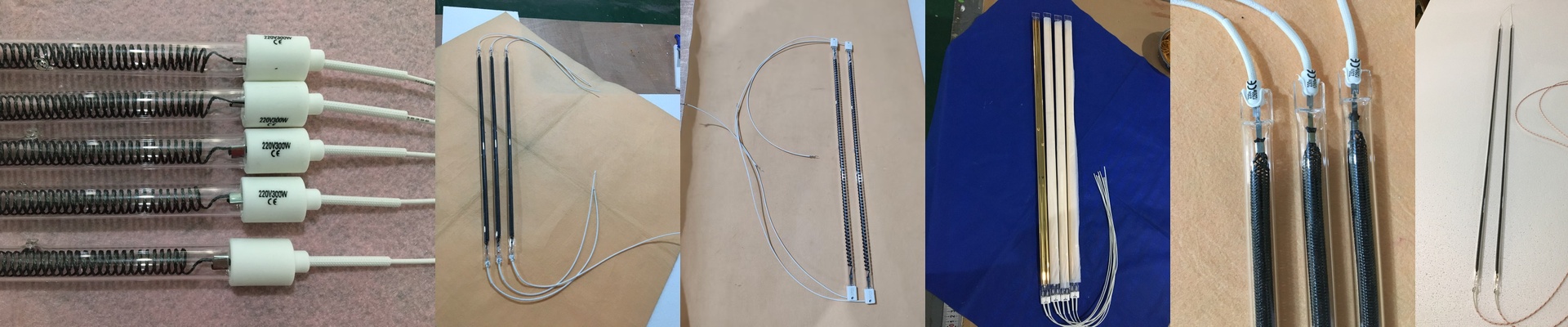
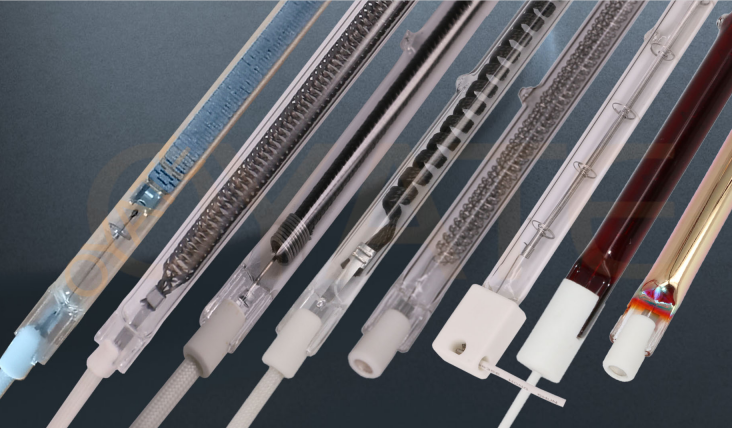
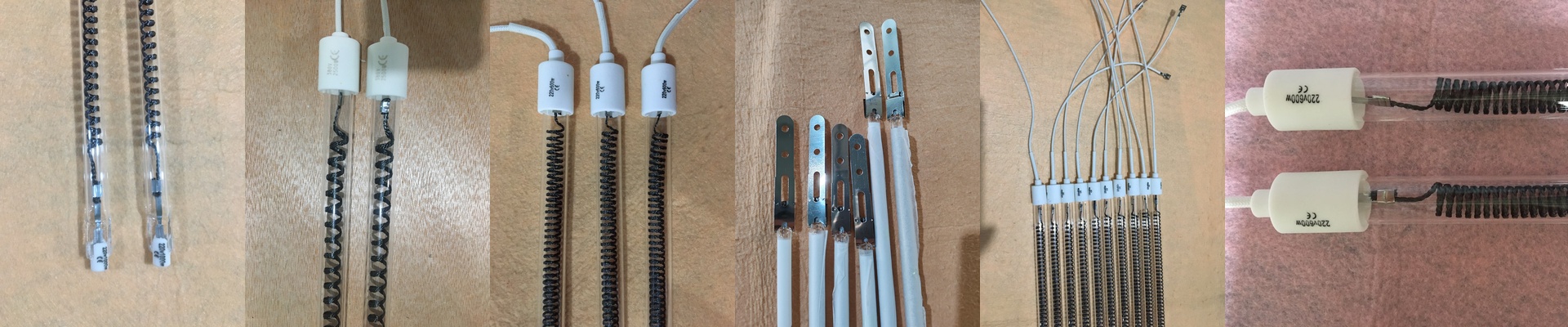
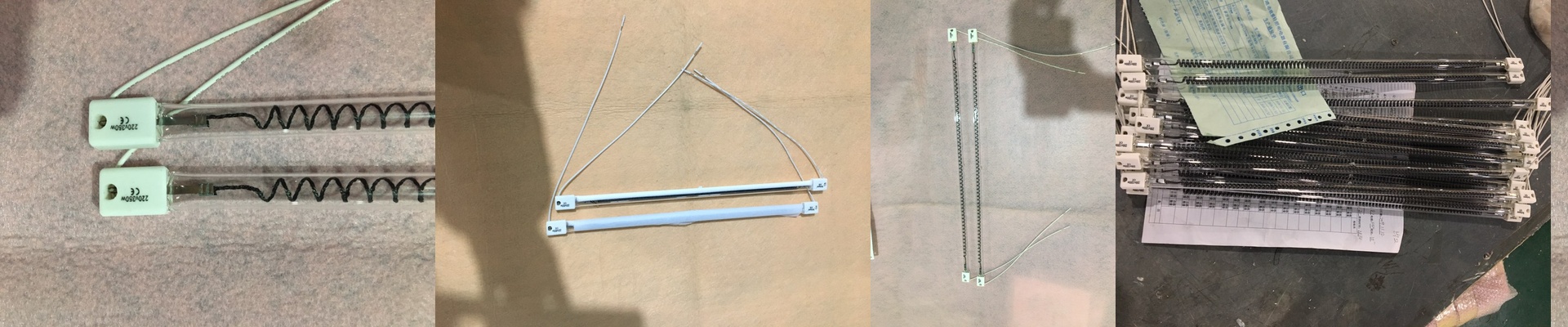
If you’ve ever dealt with old-school metal coil heaters, you know the struggle. You get those annoying hot spots and cold gaps. We fixed that by using a carbon filament tucked inside a quartz tube. It spreads the heat evenly across the whole length. No guesswork. And since we build these to CE standards, you don’t have to worry about electrical leaks or safety hiccups when you plug them into your industrial grid.
The Nitty-Gritty on Power and Heat
We don’t believe in one-size-fits-all. We spec the wattage and voltage based on what your specific machine actually needs. Here’s a pro tip: going with a higher voltage lets you run longer tubes without pulling too much current. This keeps your wiring from getting fried. The best part? The heat is concentrated right in that carbon core. It hits operating temperature almost instantly. It’s fast. Really fast. Compare that to ceramic heaters that take forever to “soak” before they’re actually useful, and it’s a total win for your uptime.
The Build: Glass and Plugs
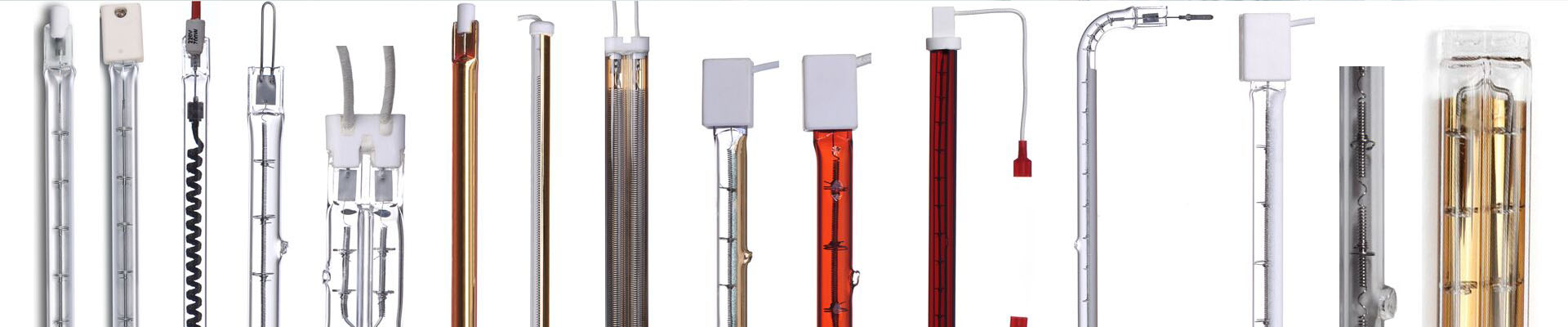
We use quartz glass because it can handle a sudden jump in temperature without cracking. Depending on what you’re doing—whether you need the heat to sink deep into a material or just hit the surface—we can add specific coatings to tweak how the light emits. As for the connectors, we stick with R7s or Sk15. Why? Because they’re the industry standard. You can just pop these into most existing infrared arrays. No custom adapters, no headaches, just plug and play.
Where They Work (and What to Watch Out For)
You’ll see these doing the heavy lifting in PET blowing, paint curing, and plastic welding. Because they put out short-wave radiation, they punch through materials quickly, which means your cycle times drop. But, there’s a catch. Because the heat is so intense, your reflector alignment has to be spot on. If your reflector is dirty or warped, you’re just wasting energy and risking an overheat in the housing. Also, make sure your cooling fans are actually up to the task. If the air around that quartz envelope gets too hot, you’ll burn through your filament way faster than you should.