Let’s talk about M-Shape Carbon Fiber Heating Lamps
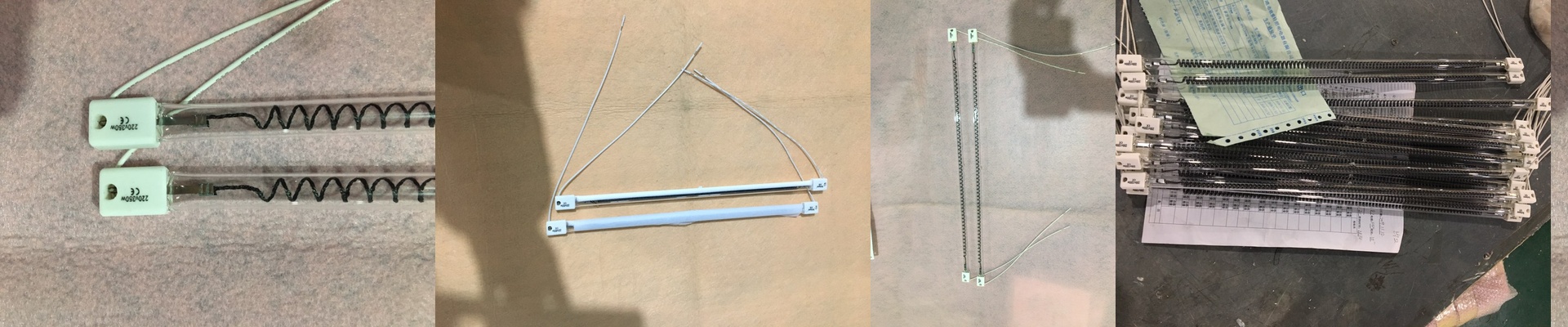
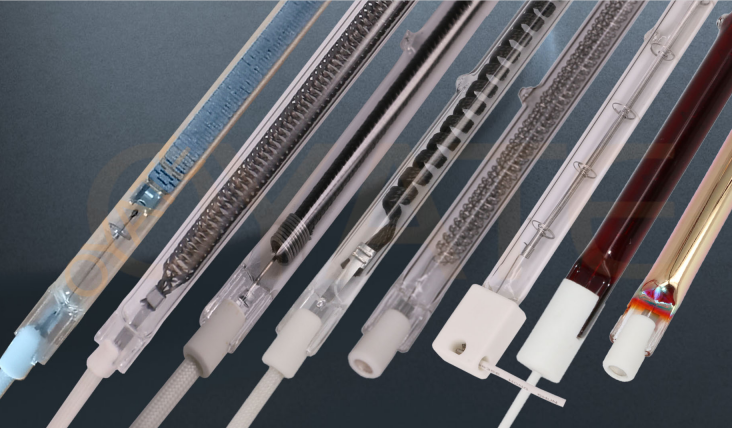
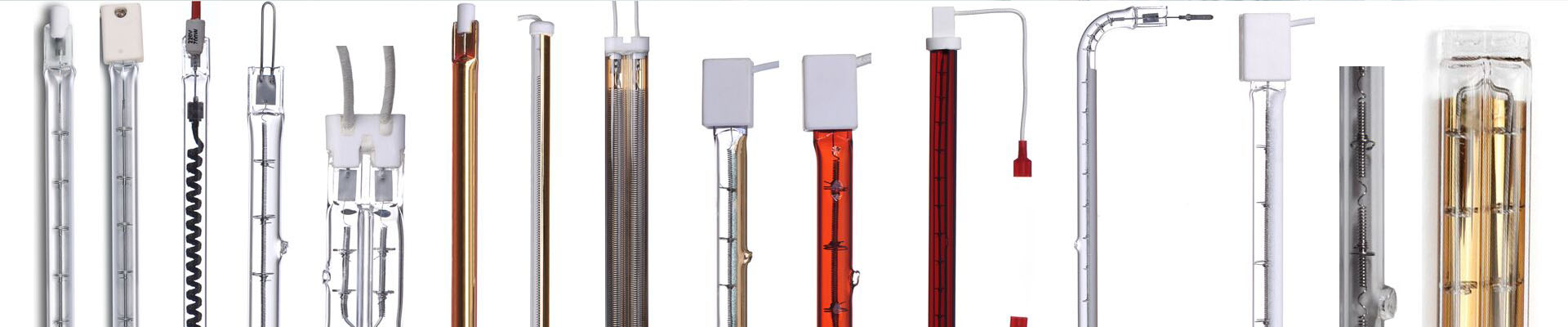
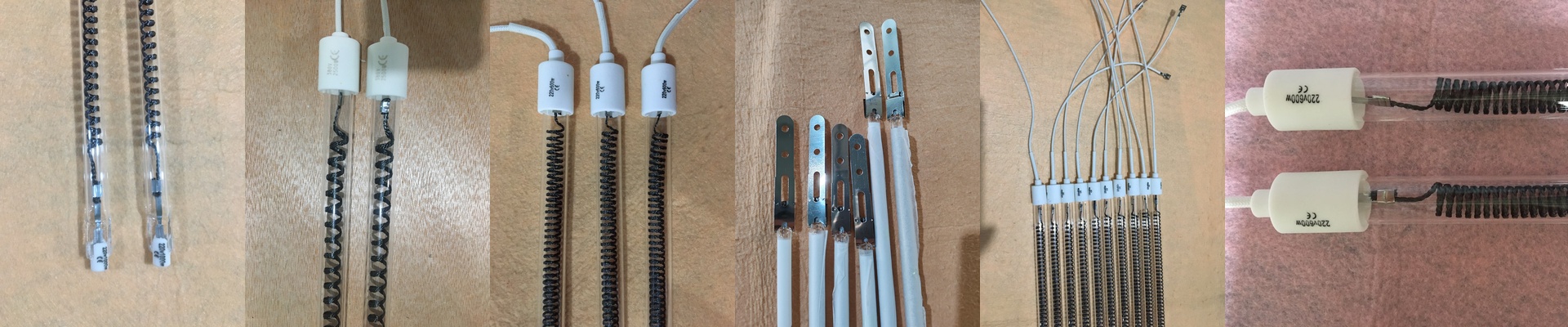
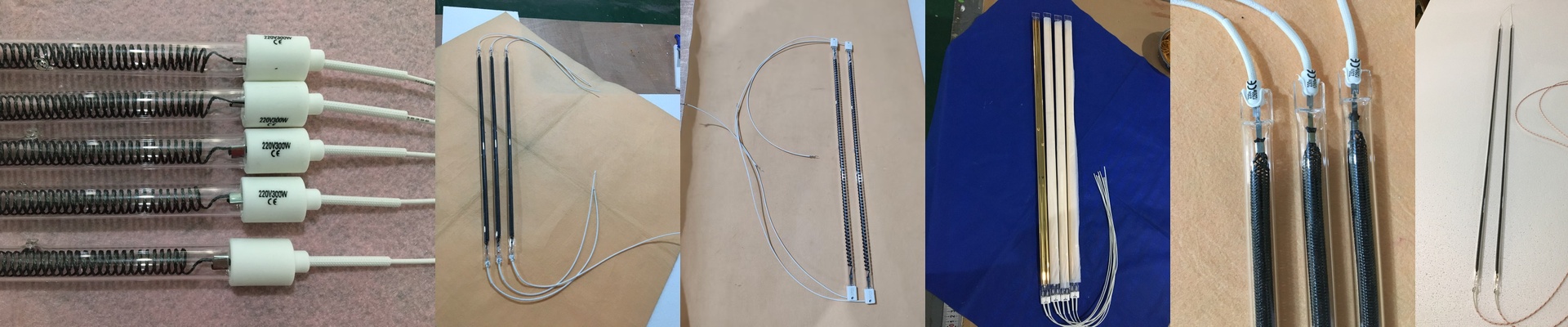
Ever wondered why some heating lamps aren’t just straight tubes? That’s where the M-shape comes in. Instead of a boring straight line, we fold the heating element. It’s a simple trick, but it does something huge: it lets us cram way more radiating surface area into a tiny footprint. Basically, you get much higher wattage without needing a giant lamp housing. It’s a lot of power in a small package. The heat is intense. Because the filament is folded, the infrared energy is concentrated. You’re doubling the path of the heat in the same amount of space, so your workpiece gets hit with a lot more energy, a lot faster. But here is a heads-up: that kind of power puts a lot of stress on your reflectors. If your reflectors are dirty or pitted, you’ll get hotspots. And hotspots lead to warped housings. Keep them clean. What’s actually inside? We use carbon fiber filaments wrapped in high-purity quartz. I prefer carbon fiber because it handles high heat way better than old-school tungsten. It doesn’t burn out nearly as fast when you’re flipping it on and off all day. As for the ends, we usually go with R7s or Sk15 connectors. They just slide right into most industrial ovens without any fuss. And that quartz glass? It’s there for a reason. It lets the shortwave IR pass straight through. The energy goes exactly where it needs to—onto your part—instead of getting trapped in the tube wall. Putting them to work You’ll see these all the time in PET blowing or plastic curing. They’re the go-to choice when your oven is shallow but you still need a massive amount of heat. You can wire them in series or parallel—whatever your power supply likes. But please, check your cooling fans. Because the M-shape pushes so much energy into such a tight spot, the air around the ends of the lamp gets scorching. If you use cheap wiring, the insulation will literally melt. Do yourself a favor and use high-temp silicone leads. It’ll save you from a nasty short circuit.