Getting the Most Out of Carbon Fiber IR Heaters (800W to 1000W)
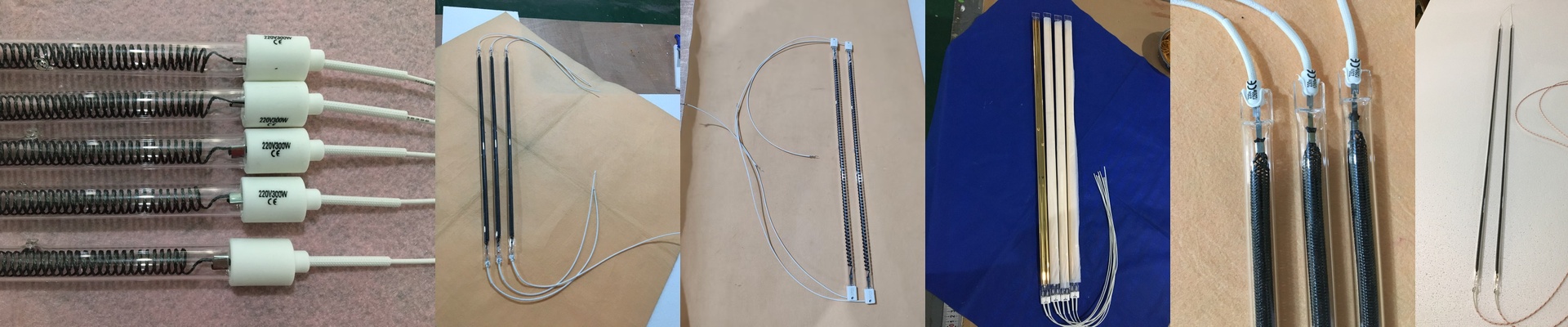
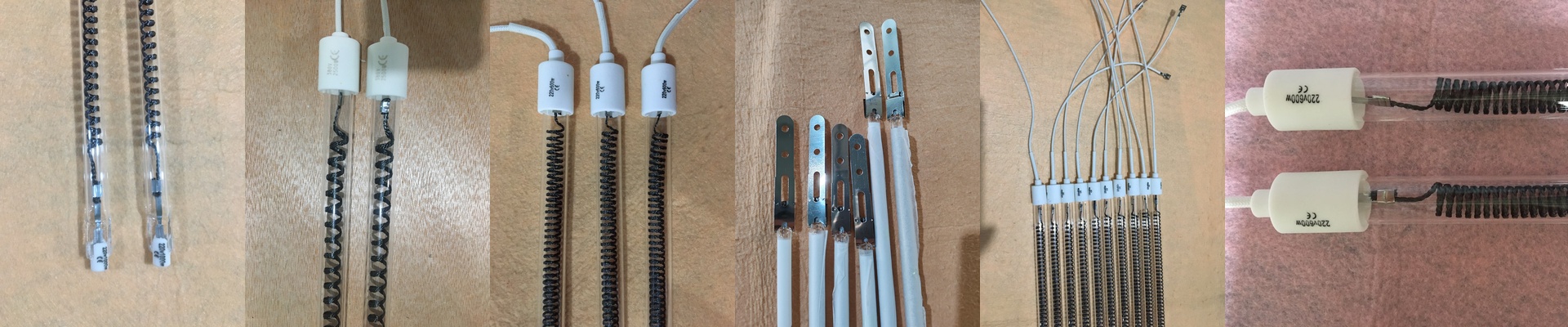
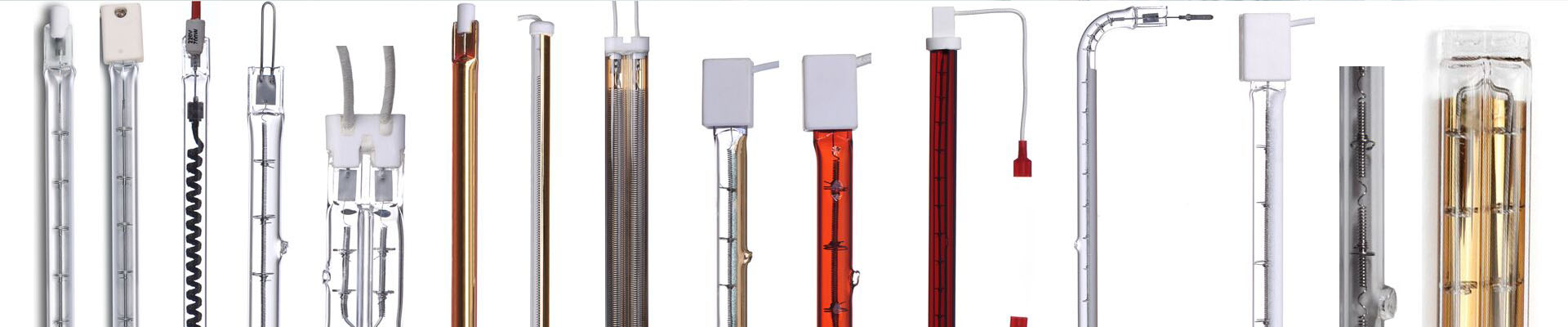
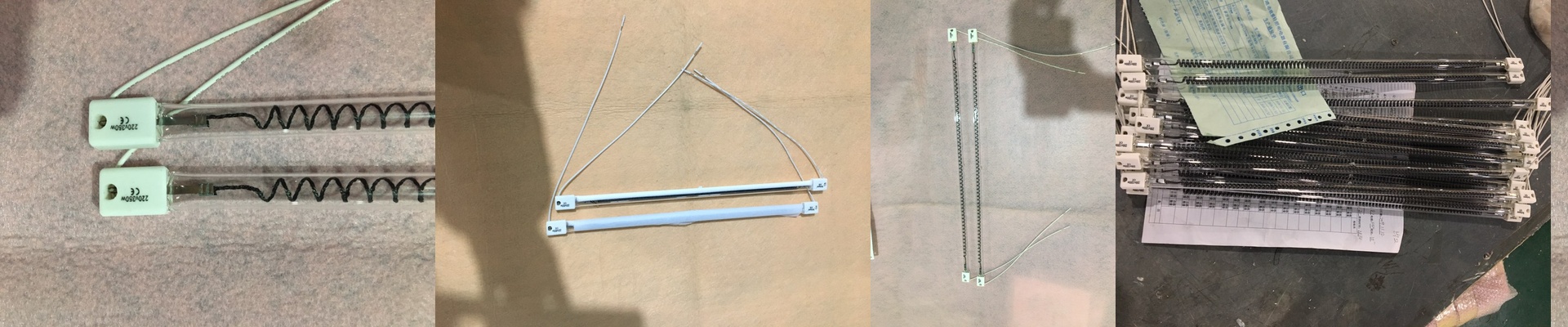
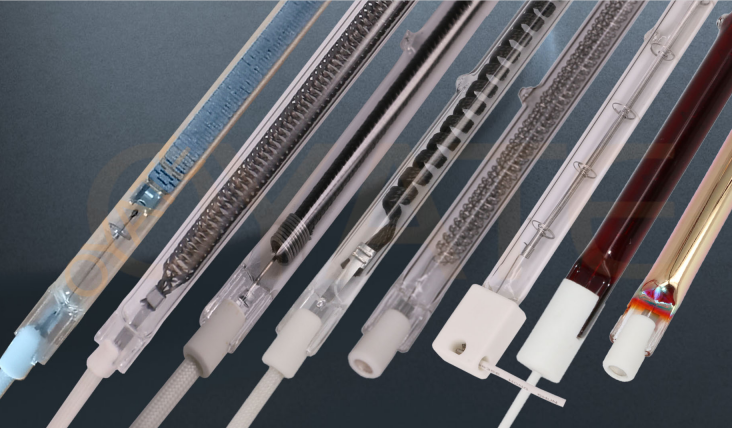
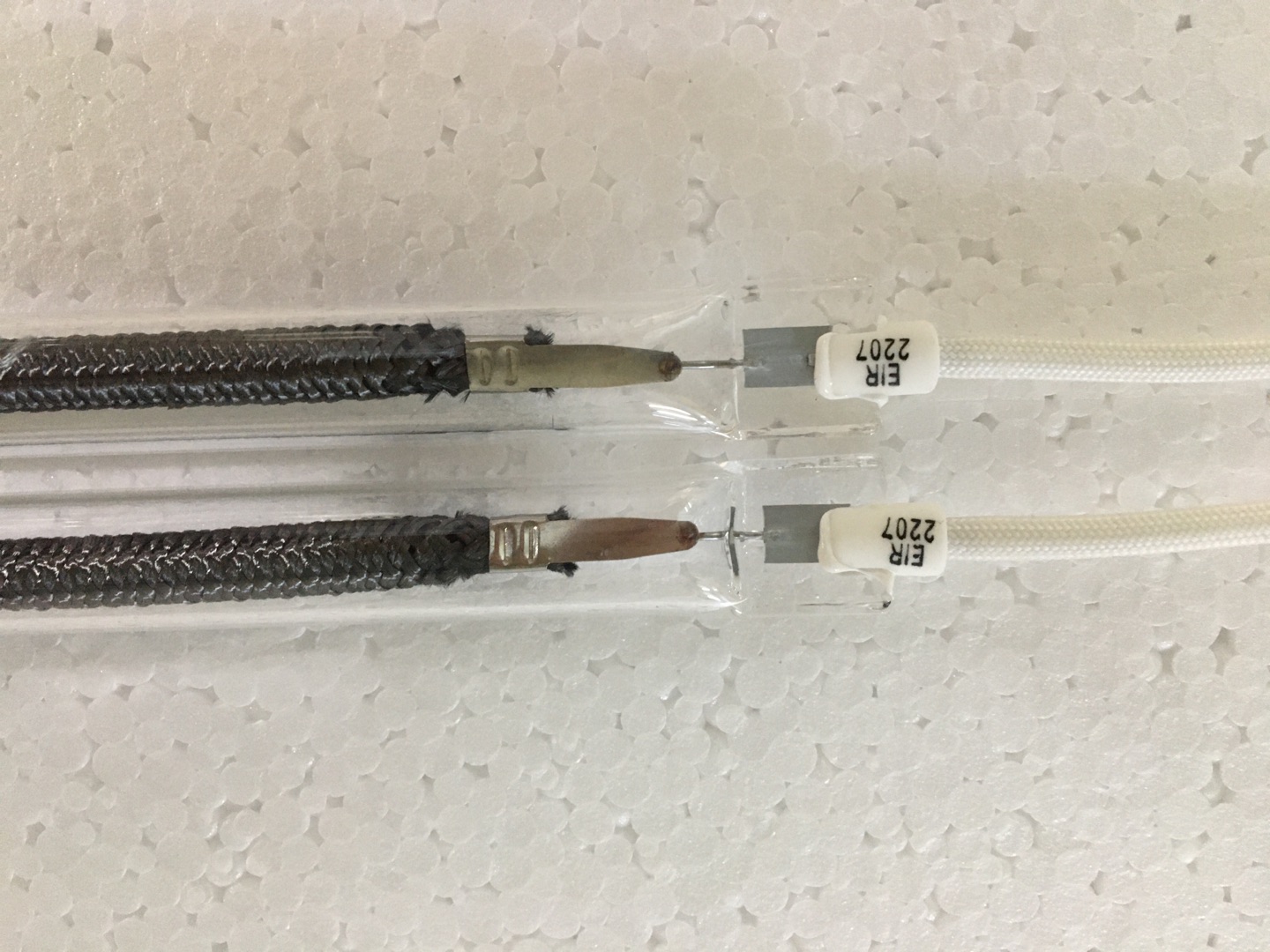
We swapped out standard quartz for carbon fiber filaments in these lamps because we wanted more punch. Since they work with short-wave infrared, they don’t bother heating up the air around them first. They just shoot the heat straight into your target. It’s fast. Really fast. You’ll notice the temperature jump almost instantly. Picking your power: 800W vs 1000W The wattage basically tells you how much heat you’re shoving into every inch of the lamp. If you go with the 1000W version, the filament runs hotter and hits your material harder. But here’s the thing: don’t just plug them in and pray. Check your wiring and power supply first. If your wires are too thin, they’ll struggle with the current, and you might end up frying your terminals. And whatever you do, don’t over-drive them. Pushing too much wattage is a great way to burn out the ends of the filament way sooner than you should. Why carbon fiber actually matters If you’ve used tungsten coils, you know they can be a bit temperamental. Carbon fiber is different. It handles the “stretch and shrink” of heating and cooling much better, so you don’t have to worry as much about the element snapping when you’re cycling the power. We wrap everything in high-purity quartz to keep the carbon from oxidizing. The best part? The warm-up time is tiny. You aren’t wasting electricity just waiting for the machine to get ready. A few tips for the setup These are designed to slide right into your existing IR arrays without a fuss. Just do yourself a favor and polish your reflectors. These lamps rely on a clean, mirror-like surface to bounce that IR beam exactly where it needs to go. One last warning: 1000W lamps gethot. If you cram them too close together in a tight box, the heat builds up and can actually melt your sockets. Make sure your cooling fans are up to the task or that you’ve got plenty of airflow. These are perfect for those jobs where you need to cure a surface or heat something up right now, and waiting for convection just isn’t an option.