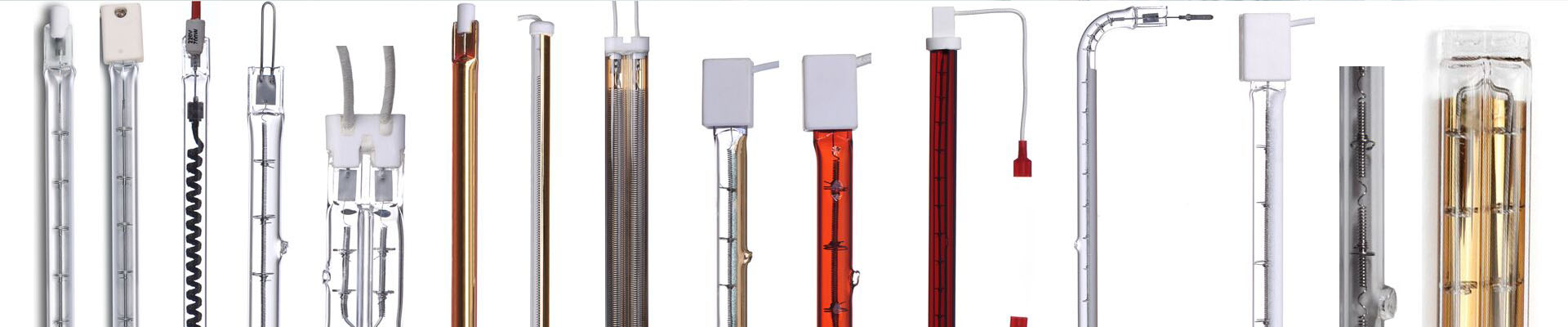
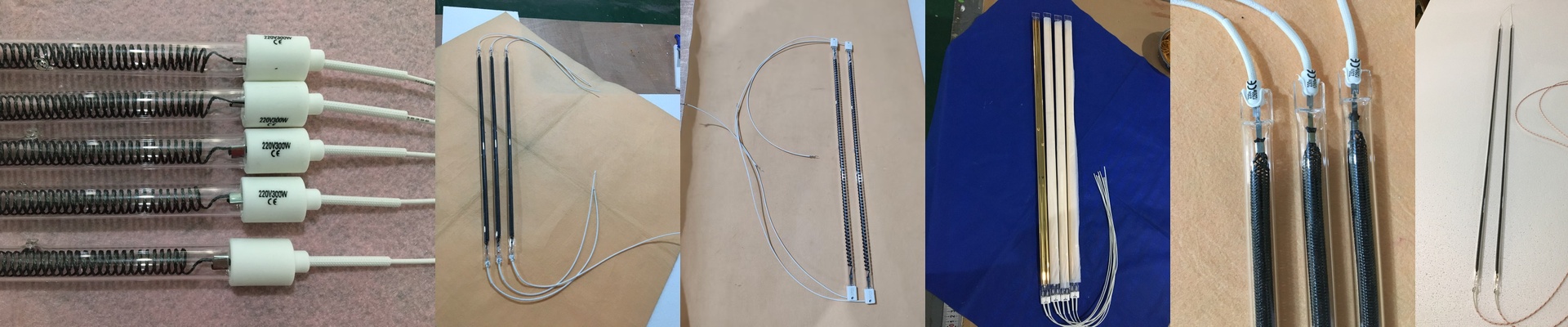
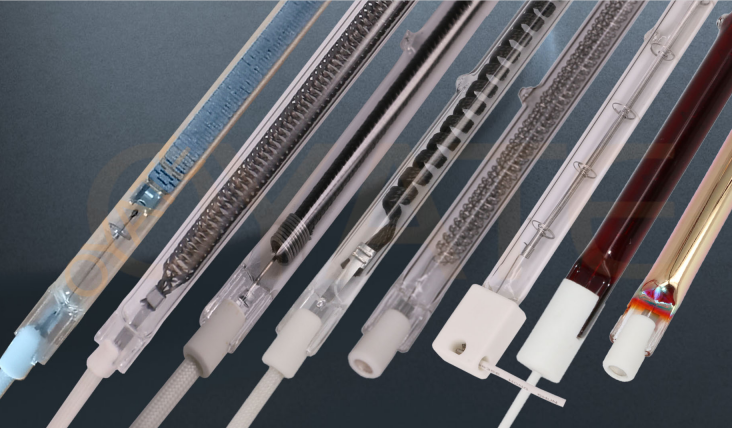
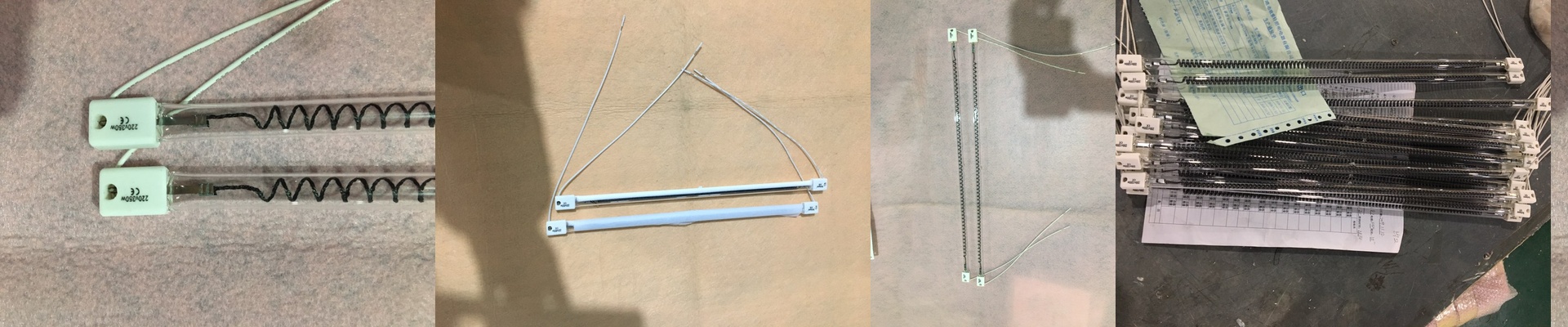
A Better Way to Keep Your Chicks Warm: The Carbon Fiber Approach
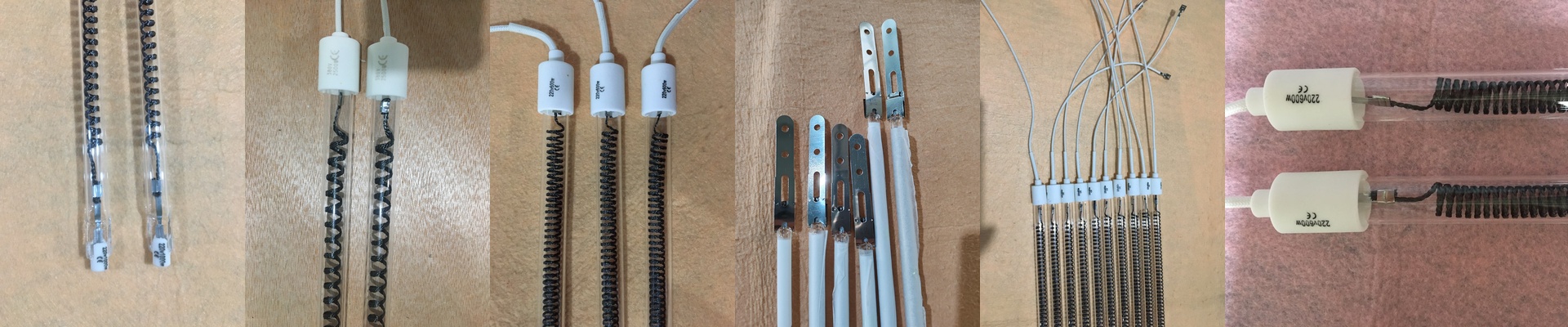
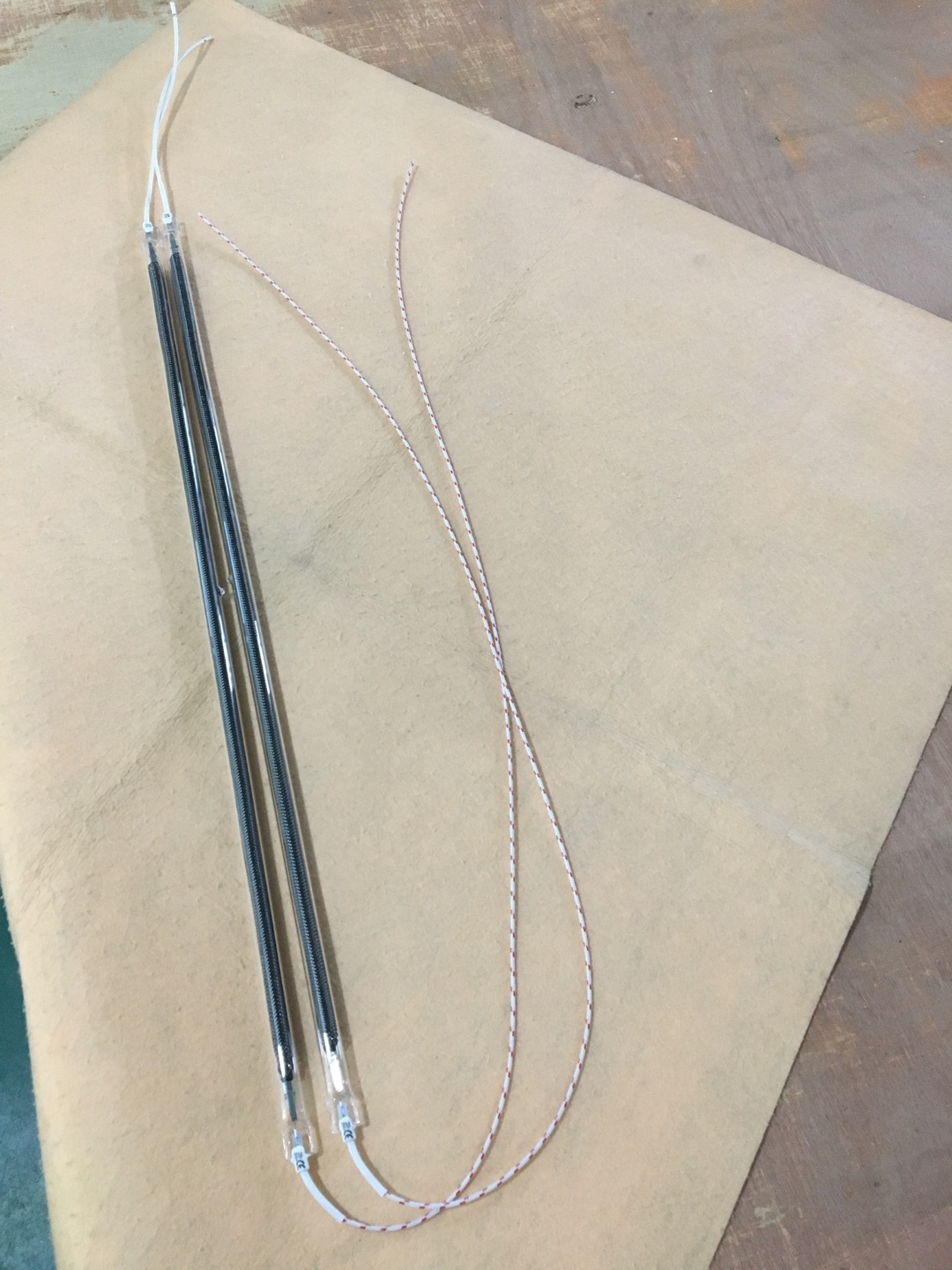
Let’s talk about heating. For a long time, we’ve all just used those old-school incandescent bulbs. They work, sure, but they’re kind of basic. We decided to move toward carbon fiber heating elements because they handle heat differently. Instead of a tungsten filament, we use a carbon-based conductor. It sounds technical, but all it really means is that the heat feels different—and that matters for your birds. The heat feels… natural. Here’s the thing: carbon fiber lamps create a softer, deeper kind of warmth. It’s more like the heat you feel from the sun than a hot lightbulb. Because the warmth spreads out more evenly across the brooder floor, you don’t get that nightmare scenario where all the chicks pile on top of each other in one spot just to stay warm. No more crushing, no more huddling. Just happy birds. Plus, we intentionally kept the light dim. Halogen tubes can be blinding, and stressed birds aren’t healthy birds. These lamps keep things cozy without turning the brooder into a neon sign. Built to actually last We wrap the carbon filament in high-purity quartz. Why? Because cheap glass clouds up or cracks when the temperature jumps around. This stuff holds up. And since carbon fiber handles expanding and contracting way better than metal, these lamps don’t just burn out the second your thermostat clicks on and off. They’re tough. They’re also small, so you can slide them into your existing racks without having to rebuild your whole setup. A few things to keep in mind You can pretty much swap these into your old sockets and go. They’re more efficient with power, too. But you have to be smart about where you put them. Carbon fiber IR heat is intense and directional. If you hang the lamp too low, you’re going to scorch your bedding—or worse, overheat your chicks. The secret is in the sensors. Don’t calibrate your thermostat to the ceiling temperature. That doesn’t tell you anything. Put your sensors right down where the birds are. That’s the only way to make sure the temperature is actually right where it needs to be.