Getting the Most Out of Carbon Fiber IR Lamps in Your Ovens
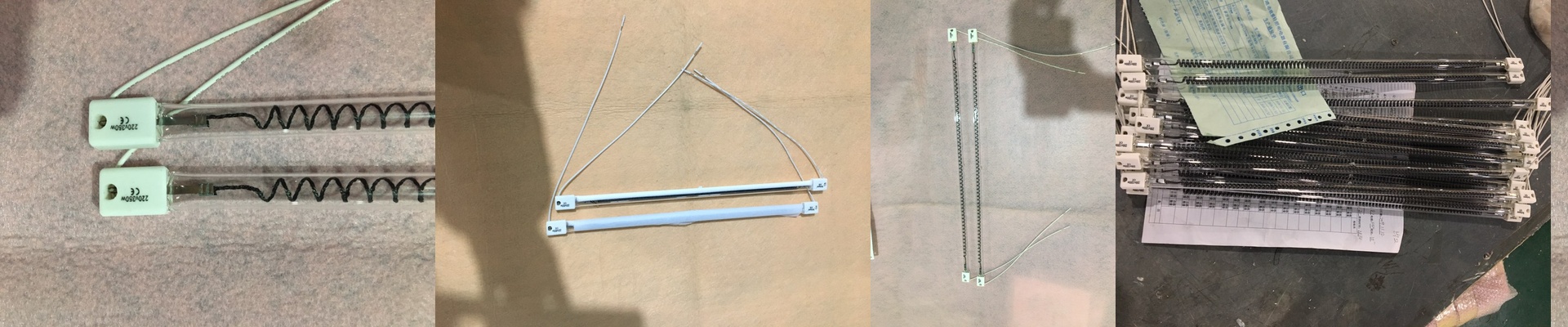
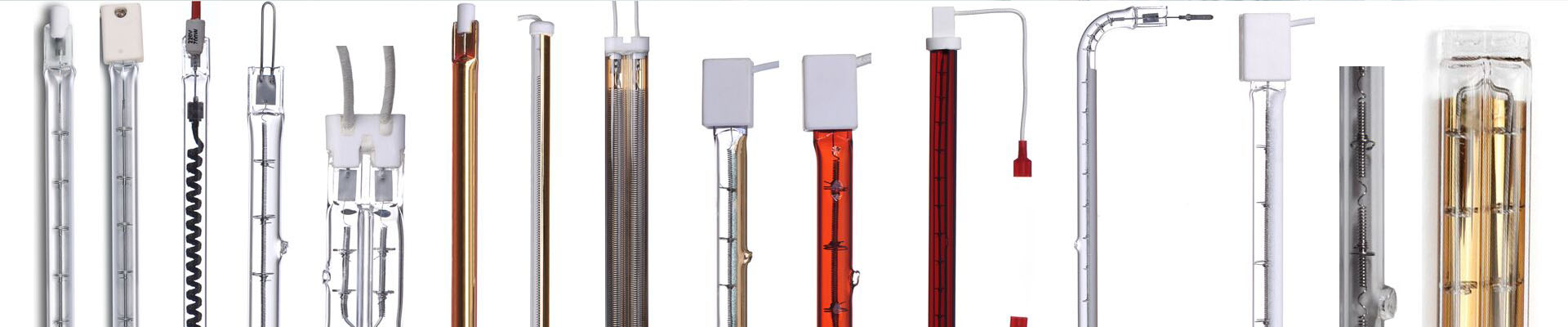
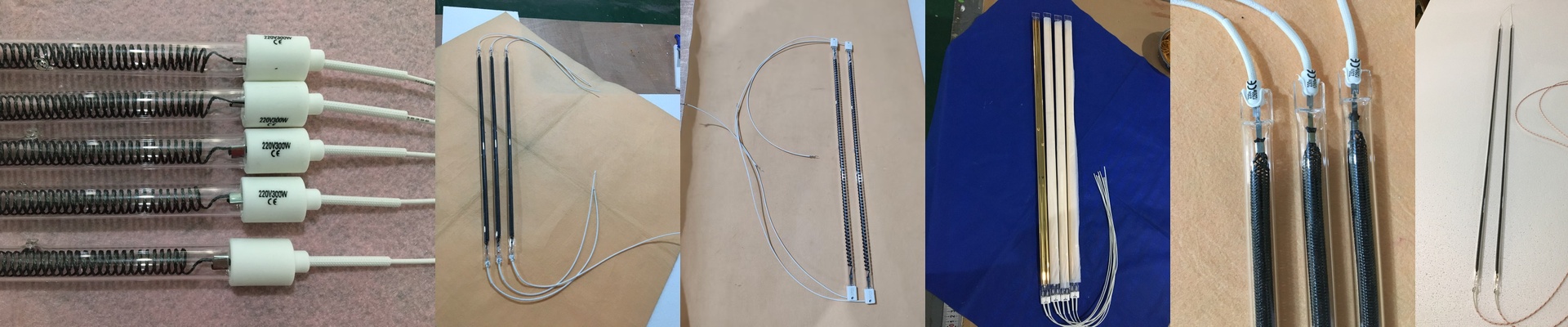
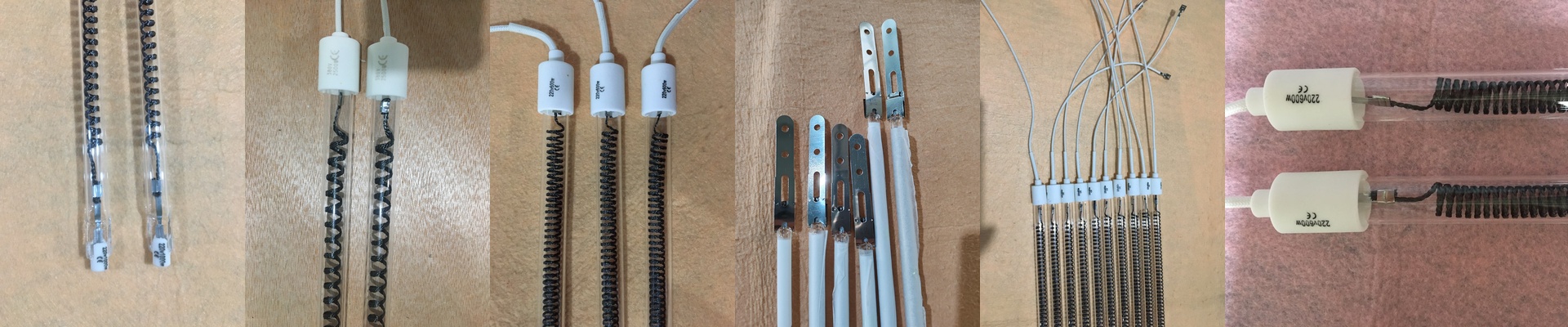
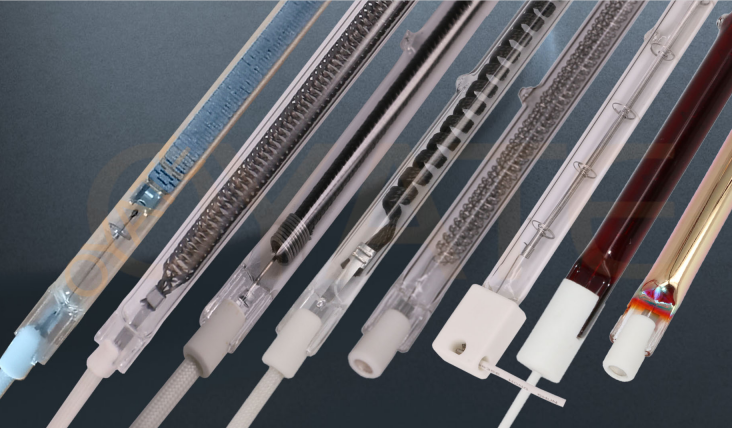
If you’re dealing with industrial ovens, you know the struggle of trying to get heat where it actually needs to go. Most quartz heaters just warm up the air, which is a waste of time. Carbon fiber IR lamps are different. They push medium-to-short wave radiation straight into the material. It’s like the difference between standing near a campfire and feeling the sun hit your skin. The heat goes deep. The Power Side of Things We build these things to pack a massive punch in a small space. If you go with a 400V rating, you’re basically making your life easier. It keeps the current draw low, which means you don’t need ridiculously thick cables and you lose less heat in the wiring. Now, imagine 2000W to 3000W crammed into a 300mm or 500mm tube. That is an intense amount of heat. Just a heads-up: make sure your power supply and contactors can actually handle that load. If they can’t, you’re just asking for a burnout. The Build and the Swap Inside that high-purity quartz tube is the carbon fiber core. Depending on what you’re baking or curing, we can add coatings to the glass. This helps tune the heat or keeps chemical vapors from eating away at the filament. As for the connection, we stick with R7s or Sk15 bases. Why? Because they just work. They fit right into most standard housings. When a lamp finally gives out, you can pop a new one in and be back up and running in minutes. No need to spend your afternoon rewiring the whole rack. Real-World Use (and a Warning) These are a dream for PET blowing and rapid curing lines. They hit their target temperature almost instantly. You can basically skip those long, annoying pre-heating cycles and get straight to work. But here is the catch. Because the heat is so concentrated, the lamp surface gets scorching. If your aluminum reflectors are thin and you’ve got them too close, they’ll warp. You’ve got to find that sweet spot with your spacing and airflow. You want the workpiece to get the full thermal dose, but you don’t want to melt your own housing in the process.