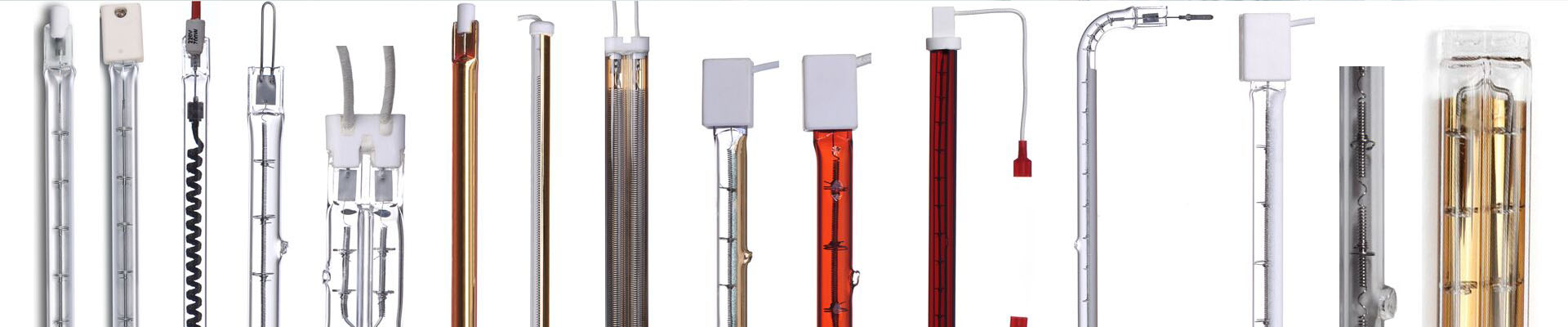
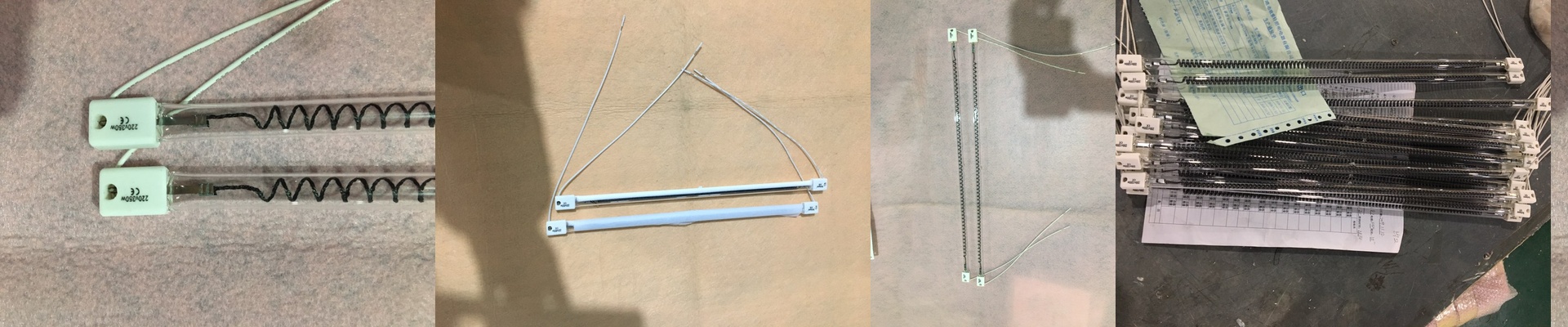
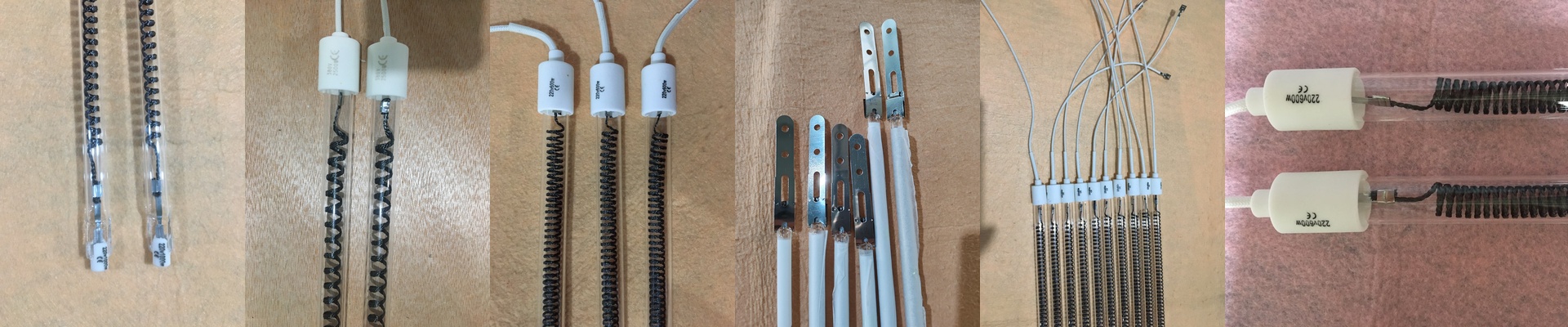
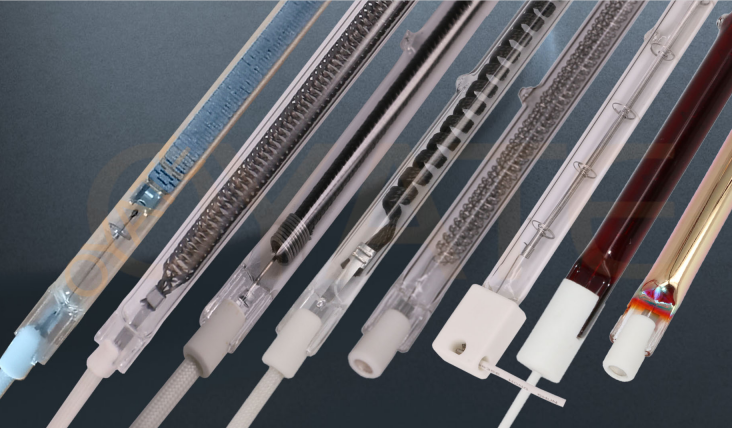
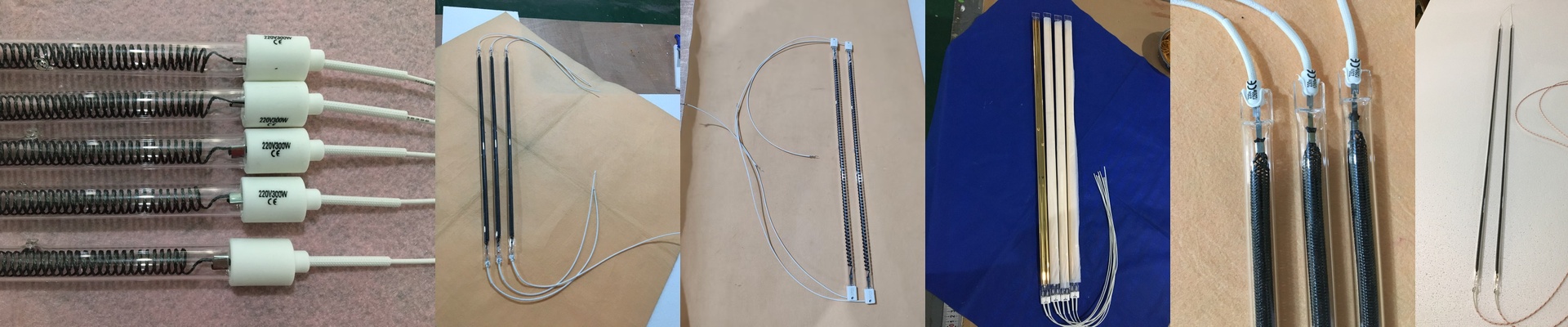
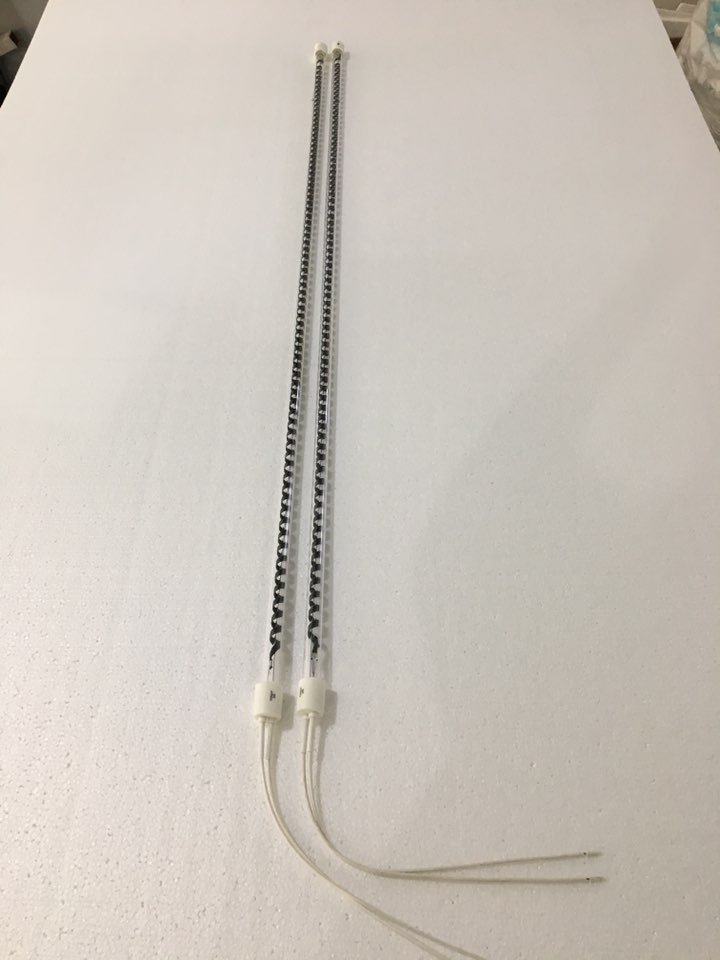
A Real-World Look at our 1500W 220V Carbon Fiber Heating Tubes
We built these carbon fiber tubes for the tough jobs—the kind of high-intensity heat where your standard nichrome wire just gives up and snaps. By swapping metal for carbon fiber, we’ve managed to get the heat ramping up way faster. It’s a different kind of energy entirely. The Power Side of Things Running 1500W at 220V puts these in a sweet spot. You get a massive punch of heat without needing those bulky, expensive transformers or dealing with the huge current draw you see in low-voltage setups. Since it plugs right into standard industrial grids, it’s simple. You get a concentrated blast of heat, which means your heating array can stay small and out of the way. Why Carbon Fiber? Here’s the thing: metal expands and shrinks in ways that eventually kill the element. Carbon fiber handles that stress much better. We wrap the filaments carefully so the heat spreads evenly across the whole tube. And unlike those quartz lamps that just blast infrared radiation, these give you a healthy mix of radiant and conductive heat. It’s a much softer touch on your materials, meaning you won’t wake up to find “hot spots” have scorched your workpiece. Getting Them Installed (and a few warnings) If you’ve got medium-duty industrial ovens or drying tunnels, these usually slide right in. They’re built to take a beating in environments where you’re cycling power on and off all day. But, you’ve got to be smart about the mounting brackets. Carbon fiber hits peak temp almost instantly. If the tube is clamped too tight or there’s too much vibration at the ends, the filament can fail early.**Use spring-loaded mounts.**Give the tube some room to breathe and grow as it heats up. One last tip: check your PID tuning. Because these react so quickly, a lazy control system might let the temperature overshoot your target before it can dial it back. Keep a close eye on that during your first few runs.