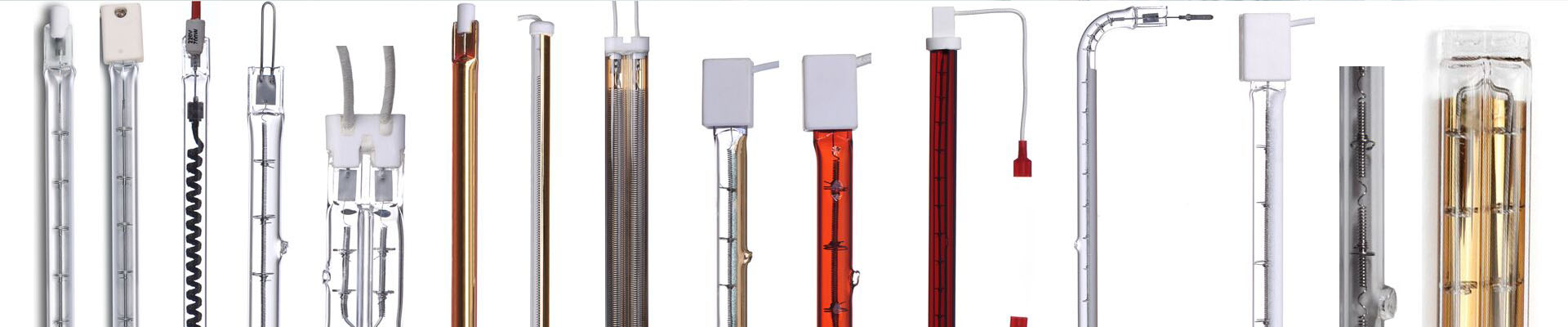
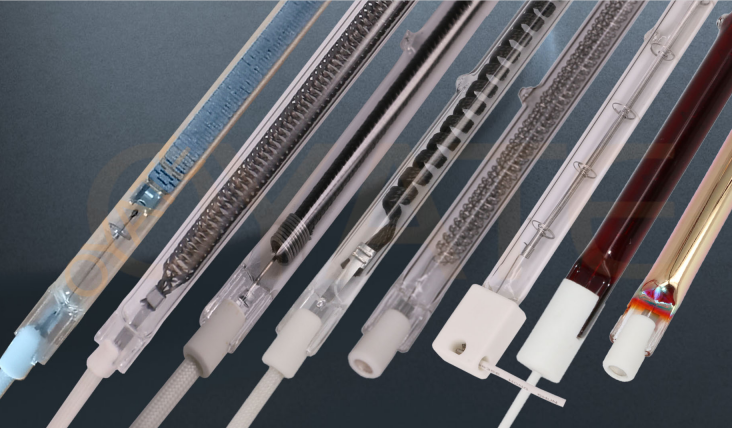
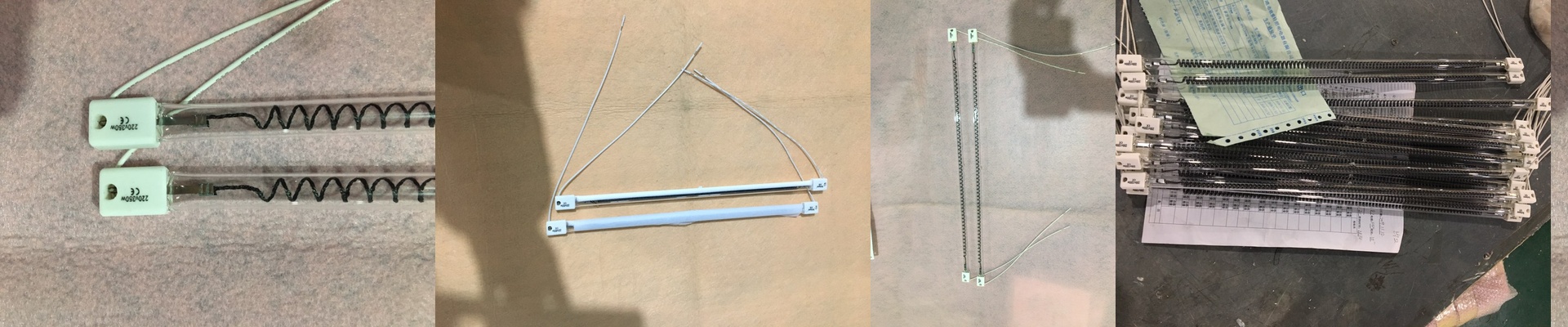
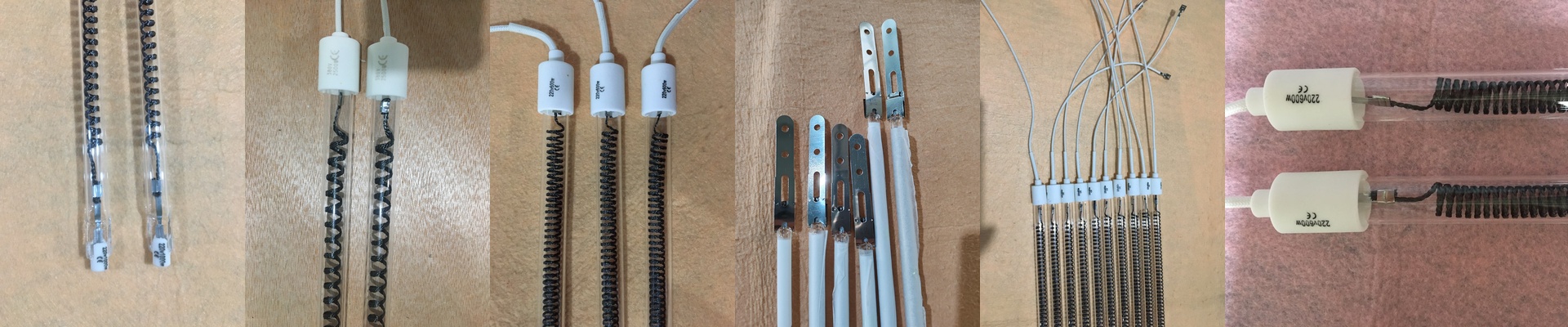
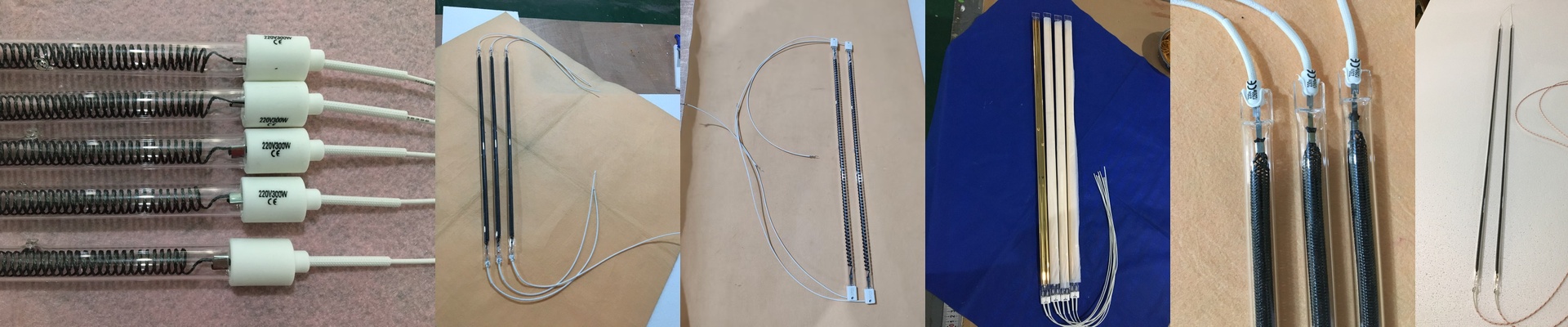
Let’s talk about our 220V 1000W Carbon Fiber Infrared Tubes
If you’re tired of waiting around for your equipment to warm up, these tubes are for you. We built them specifically for those moments when you need heat—and you need it now. Instead of using those old-school metal coils, we use carbon fiber filaments tucked inside a high-purity quartz sleeve. It’s a different approach that makes a massive difference in how the heat actually behaves. The power side of things At 220V and 1000W, these things are punchy. They hit target temperatures in seconds. Not minutes, not “eventually,” but seconds. Just a heads-up: because they pull a decent amount of power to get that instant heat, make sure your wiring and power supply are up to the task. You don’t want your terminals overheating because the cables were too thin. Why carbon fiber actually matters Here’s the cool part. Carbon fiber sends out short-to-medium wave infrared radiation. In plain English? The heat goes straight into your workpiece. It doesn’t waste time heating up the air around it first. The quartz glass does two things: it keeps the fiber safe from oxidation and beams the heat exactly where it needs to go. Plus, carbon handles the “on-off-on-off” cycle way better than tungsten or nichrome. It doesn’t crack under the pressure of rapid temperature swings. Putting them to work (and a few warnings) These fit right into most standard industrial controllers. If you’re still using old halogen lamps for PET blowing or plastic welding, you can just swap them out for these. But look, there are a couple of things you need to watch out for. Since these get hot incredibly fast, the quartz envelope does too. If your machine doesn’t have good venting or if your reflectors are caked in grime, you’ll get “heat soak.” That’s a quick way to fry your nearby sensors. And for the love of everything,keep the glass clean. A single fingerprint or a smudge of oil creates a hot spot. That hot spot will eat through the tube, and you’ll be replacing it way sooner than you should.