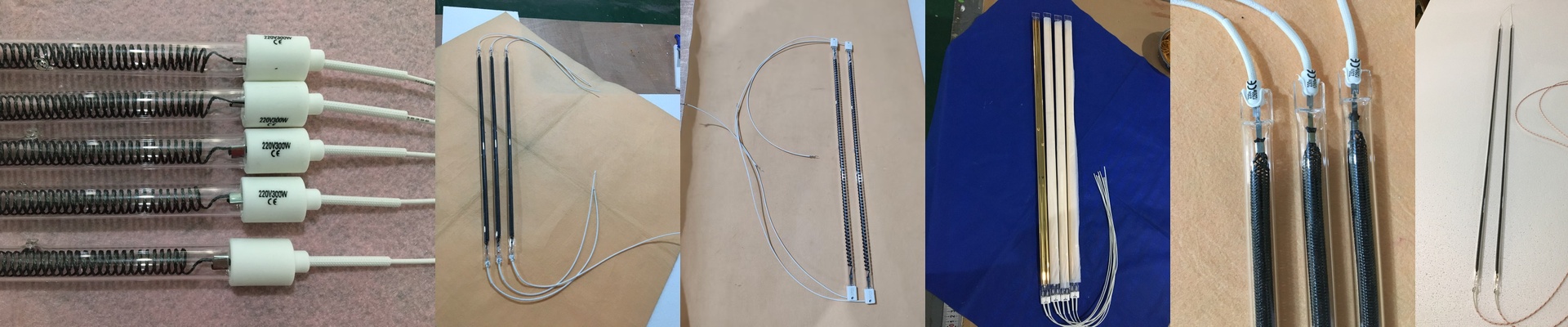
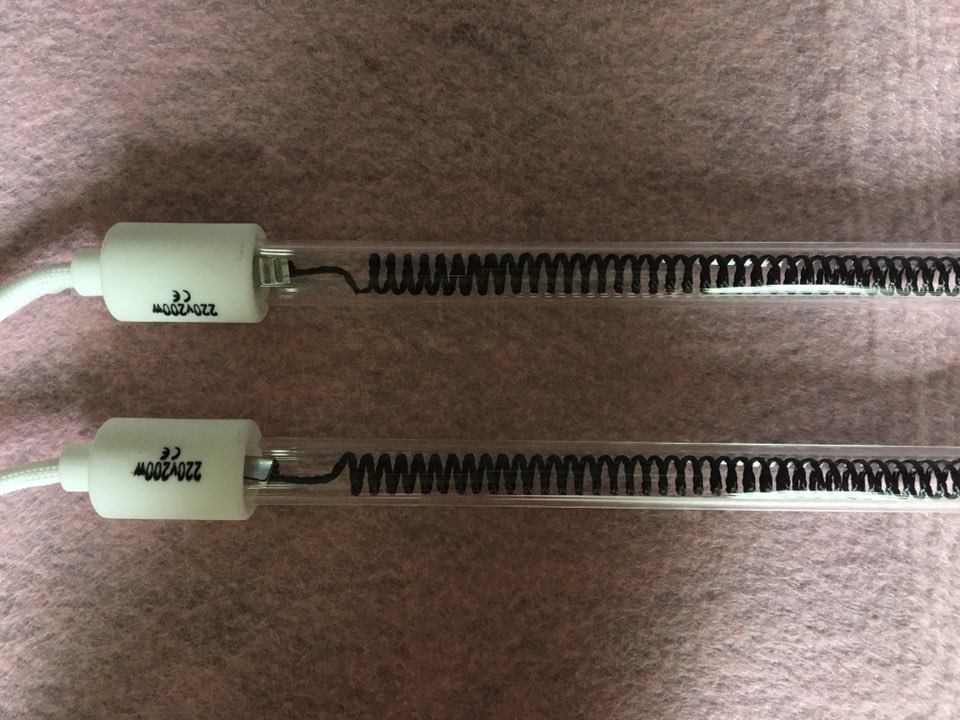
Let’s Talk About Carbon Fiber Heating Panels
We make carbon fiber panels that use far infrared (FIR) radiation. If you’ve used those old-school resistive wire heaters, you know they mostly just warm up the air around them. These are different. They send out long-wave radiation that actually sinks into the materials you’re trying to heat.
The Nerd Stuff: How it actually works
At the heart of every panel is a carbon fiber weave. The cool thing about carbon fiber is that its resistance doesn’t go haywire as it gets hot. In cheaper alloys, you often deal with “thermal runaway” where things just get out of control. Not here. You get a steady, reliable flow of heat across the whole surface. We tune these panels based on how much power you need per square meter. Now, higher density means faster heat, but it puts more pressure on your power supply. Just a heads-up: if your voltage regulation is shaky, you might burn out those carbon filaments sooner than you’d like.
Building them to last
We wrap the carbon fiber in a composite layering system. We make sure the materials conduct heat well but block electricity. That way, you can mount the panel to a metal frame without worrying about a short circuit. The heat peaks in that far-infrared range—usually between 3 and 100 microns. Since that’s exactly what organic materials and water absorb, you aren’t wasting energy heating the empty air. You’re heating the actual target.
The real-world trade-offs
If you’re tired of those bulky forced-air heaters, these are a great swap. They’re slim, quiet, and have zero moving parts to break. But here’s the thing: they aren’t instant. If you need a 2-second blast of heat, go with a short-wave quartz lamp. These take a bit longer to ramp up. But for things like steady drying or warming a large area, they’re way better. You won’t get those annoying “hot spots” that ruin delicate materials. One last tip: make sure your PID controllers are tuned to the panel’s actual mass. Otherwise, you might overshoot your target temperature.