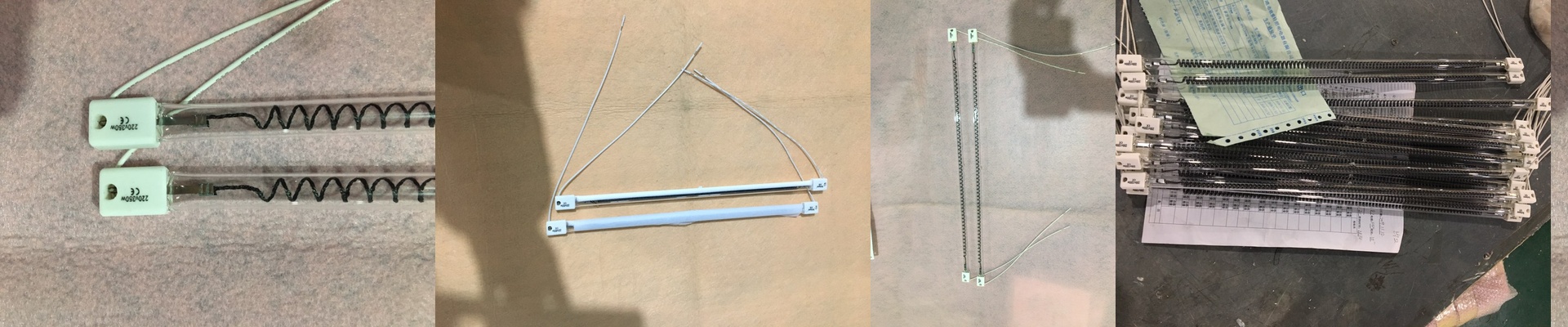
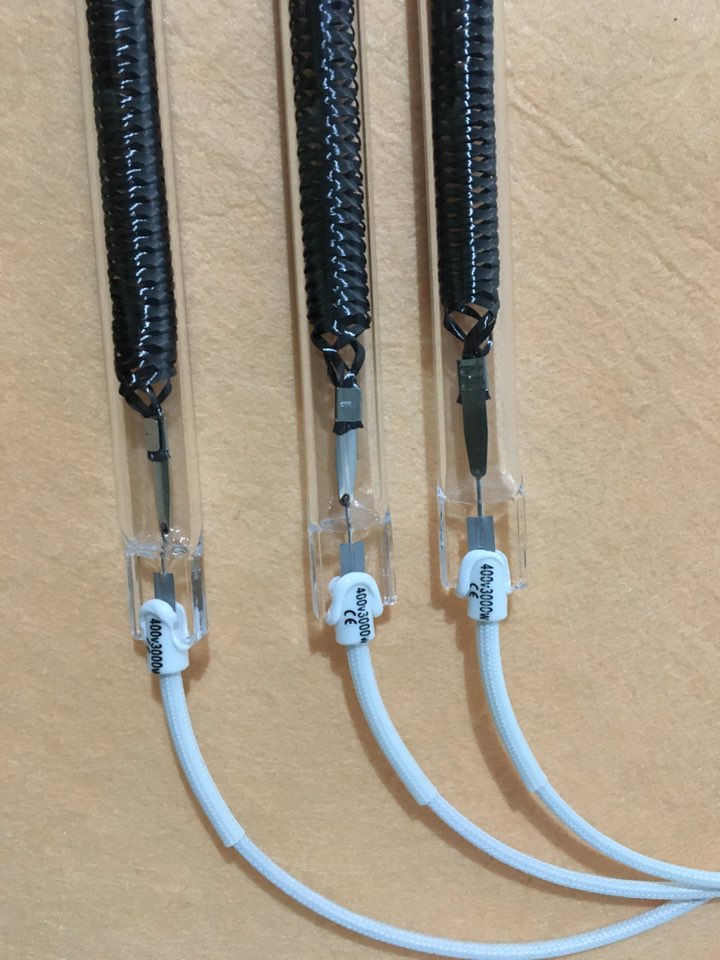
Let’s talk about our Half-White IR Carbon Fiber Lamps
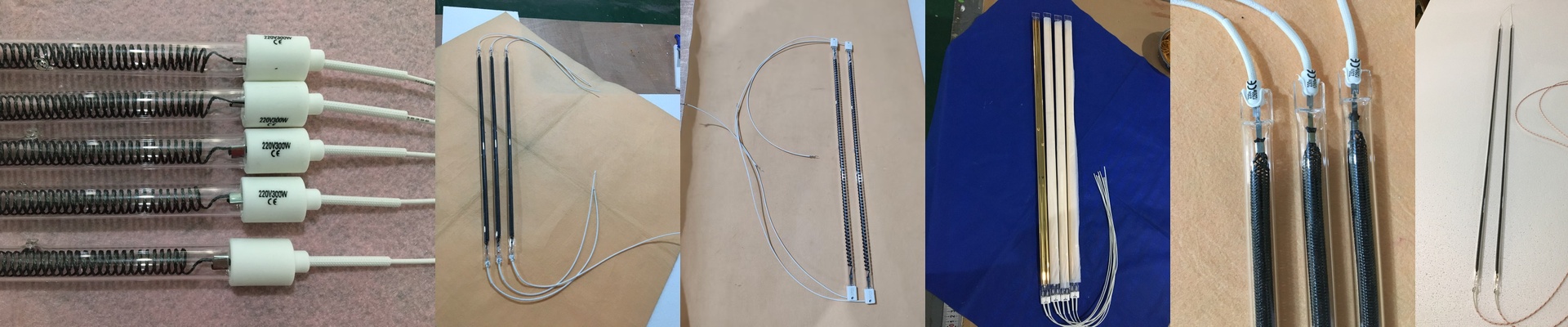
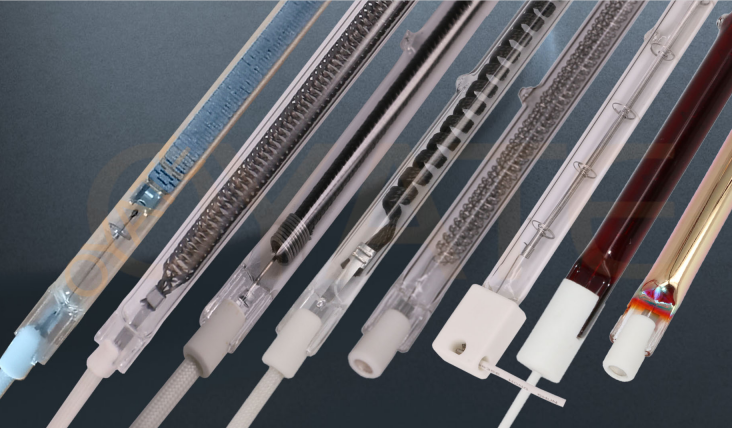
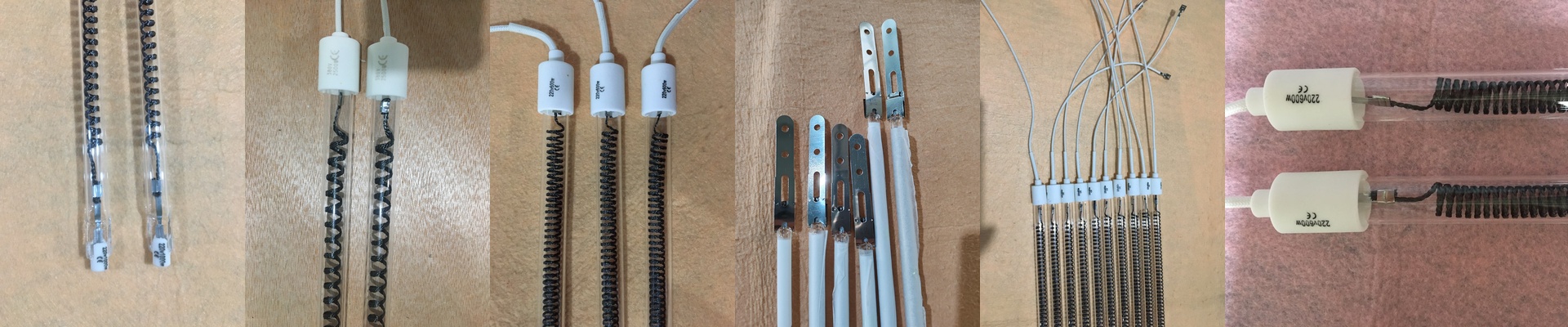
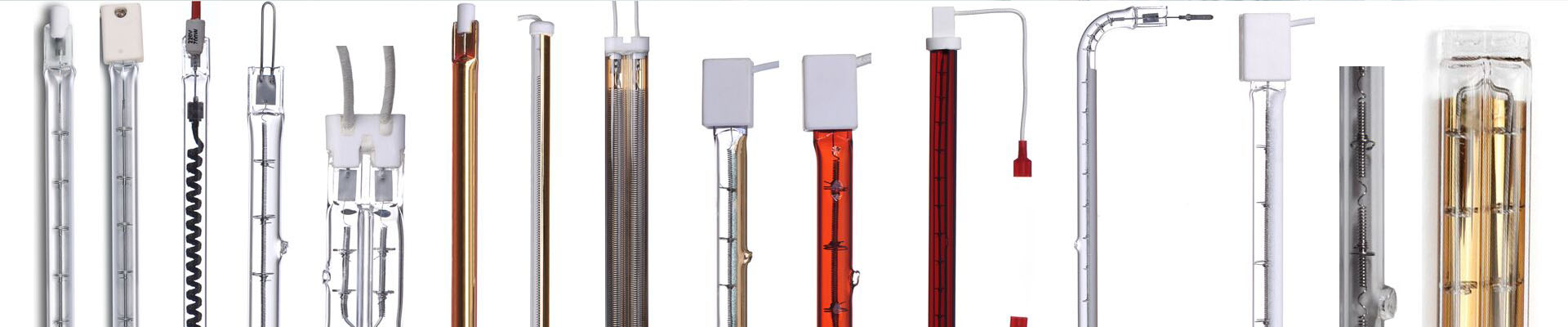
If you’ve ever struggled with getting the heat exactly where it needs to be without scorching your parts, you know how frustrating it is. That’s why we build these customized half-white IR lamps. Instead of using the usual tungsten, we use carbon fiber filaments. Why? Because it changes the way the heat hits. It penetrates deeper into polymers and coatings, getting the job done without just baking the surface. The secret is in the “half-white” part. We apply a selective coating to the quartz tube to act as a shield. By masking off certain sections, we can tell the heat exactly where to go. It stops those annoying hotspots in the middle of the tube and gives you a smooth, even temperature across your workpiece. Now, you can pick the voltage and wattage that fits your current power setup. If you go for high wattage, you’ll get a crazy fast ramp-up time. Just a heads-up: pushing a lot of power through a short tube puts a lot of stress on your sockets. Make sure your wiring can handle the current, or you’re going to end up with a melted housing. Not a fun day at the office. Why bother with carbon fiber over halogen? Carbon fiber runs cooler than halogen wires, but it pumps out more medium-to-long wave infrared energy. This is a lifesaver for materials that would normally burn or warp under short-wave radiation. We wrap everything in high-purity quartz, so the tubes don’t warp after you’ve turned them on and off a thousand times. And we don’t do “one size fits all.” Whether you need a standard R7s base or something totally custom, we’ll wire it to fit your existing jig perfectly. Putting them to work You’ll see these a lot in PET blowing and automotive curing. They’re just faster than ceramic heaters. Since carbon fiber doesn’t hold onto heat like a brick, these lamps hit their target temperature quickly—and they cool down just as fast. It gives you way more control over your cycle. One tip, though: if you’re stuffing these into a tight enclosure, make sure your ventilation is up to the task. If the reflected heat has nowhere to go, you’ll burn out your filaments way sooner than you should.