Stop the Cracking: A Better Way to Cure Brake Pads
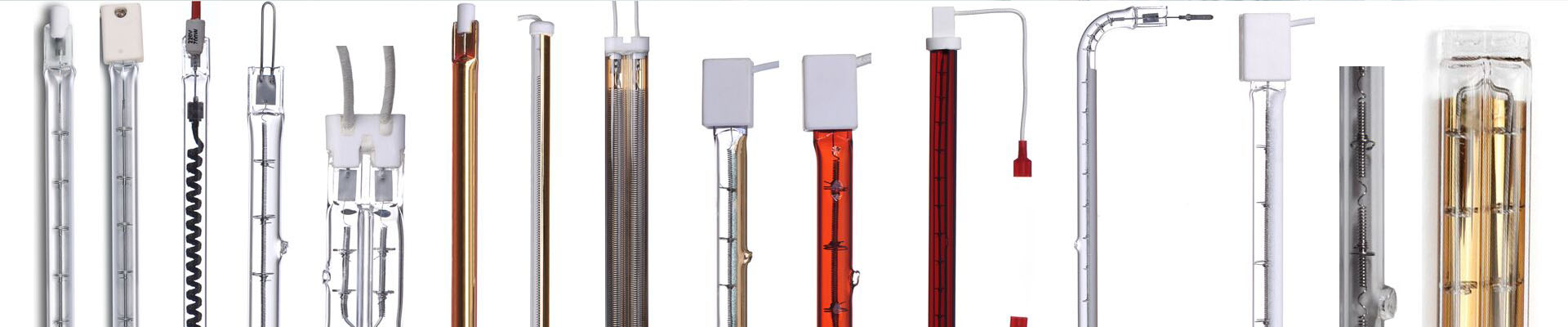
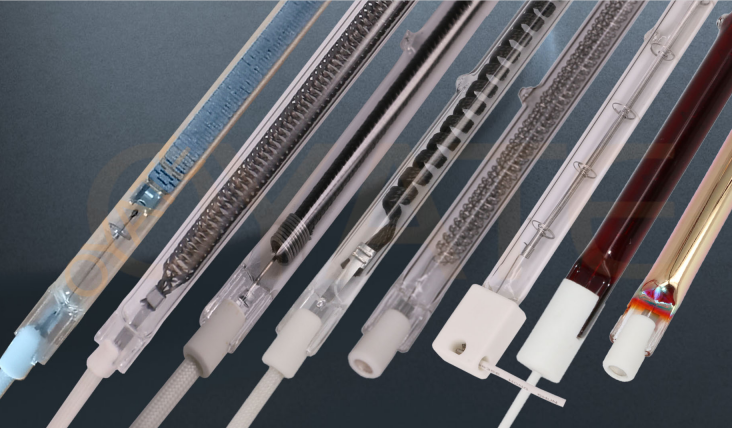
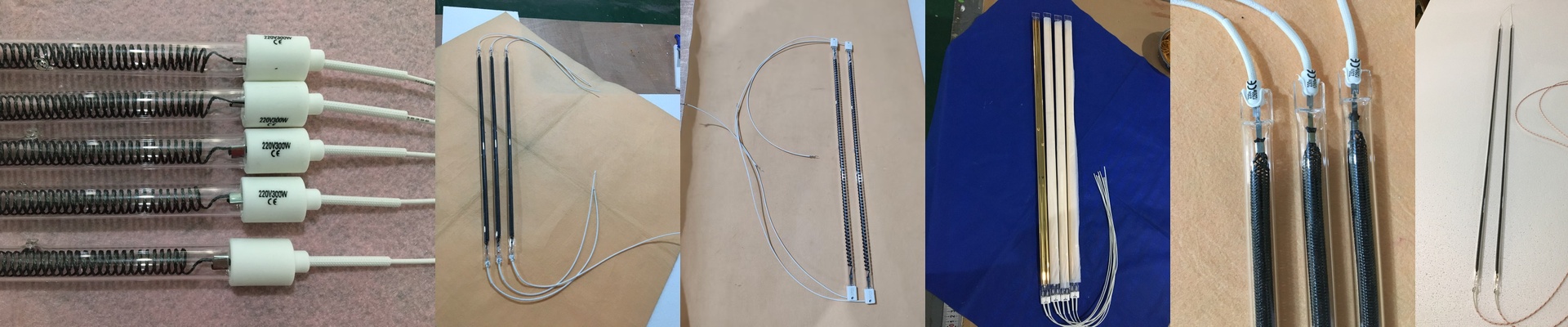
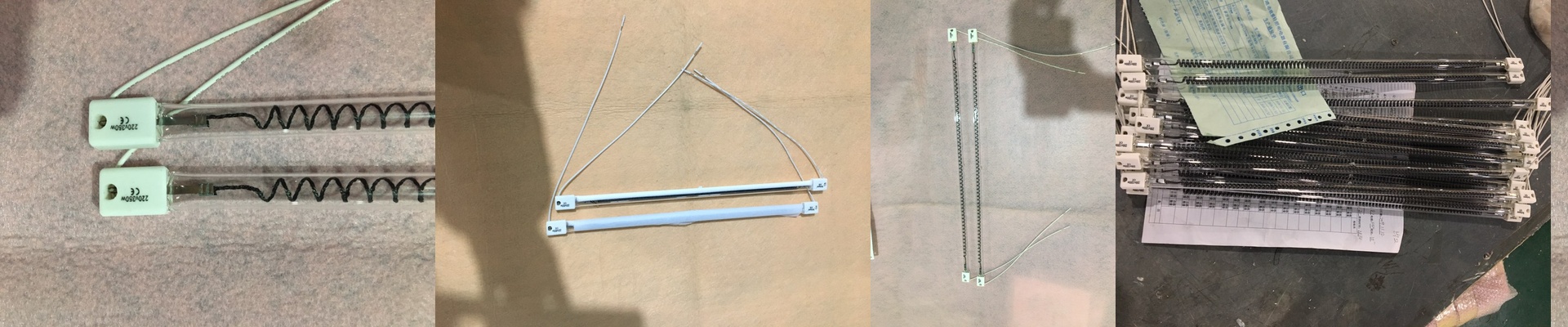
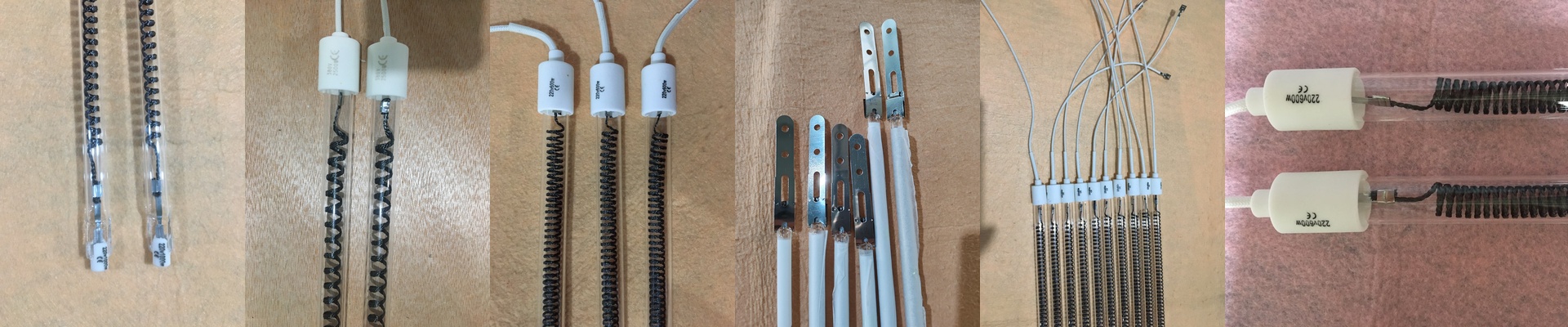
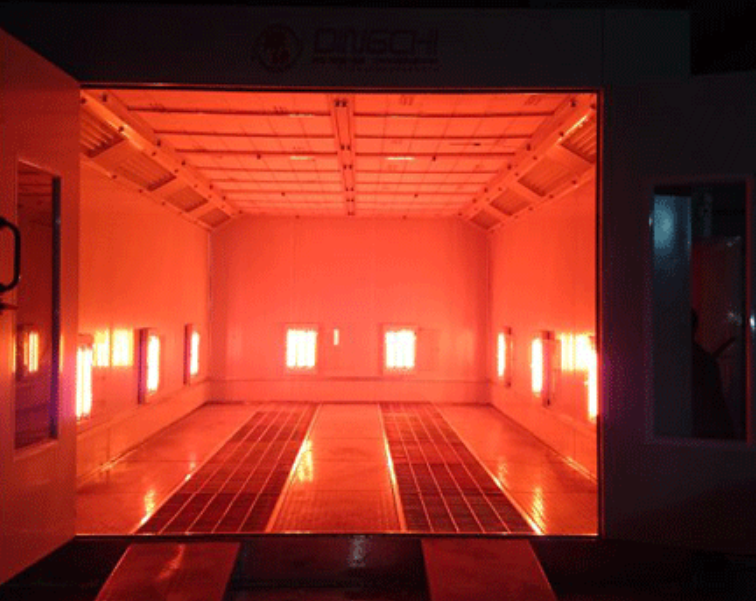
Ever pull a batch of brake pads out of the oven only to find those annoying thermal cracks or tiny holes (porosity) staring back at you? It’s frustrating. Usually, it happens because the surface of the pad cures way too fast while the core is still cold. That temperature gap creates internal stress, and the material just snaps. We’ve found a better way. Instead of relying on old-school convection ovens, we use short-wave infrared emitters. They don’t just heat the skin; they drive the heat deep into the material. Getting the heat where it matters To stop the cracking, you need the heat to hit the core and the surface at the same time. Short-wave IR does exactly that. It punches through the resin-bonded material quickly, so the whole pad warms up together. The trick is power density. If your wattage is too low, the cycle drags on. When things take too long, you get uneven shrinkage and structural voids. Not a good look. Precision that actually works We use quartz-halogen lamps because they’re snappy. They turn on and off almost instantly, which is huge when you’re using PID loops. It stops that “overshoot” where the surface gets scorched before the inside is even warm. One tip: don’t just blast the whole thing with one giant heat source. We suggest a zoned layout. By splitting the emitters into different control zones, you can bump up the heat at the edges of the conveyor where you usually lose temperature. The trade-offs Now, here’s the catch. High-intensity IR puts a lot of pressure on your power supply. And because these things put out a ton of heat, your cooling fans and ventilation need to be up to the task. If the lamp housings get too hot, you’re just asking for a premature burnout. It’s a waste of money and time. The best way to handle this? Wire everything into a closed-loop system with pyrometers. You get real-time feedback, so you know exactly when the material hits the target temperature without accidentally shocking it into cracking.