Getting Your IR Emitters Right for Brake Pads
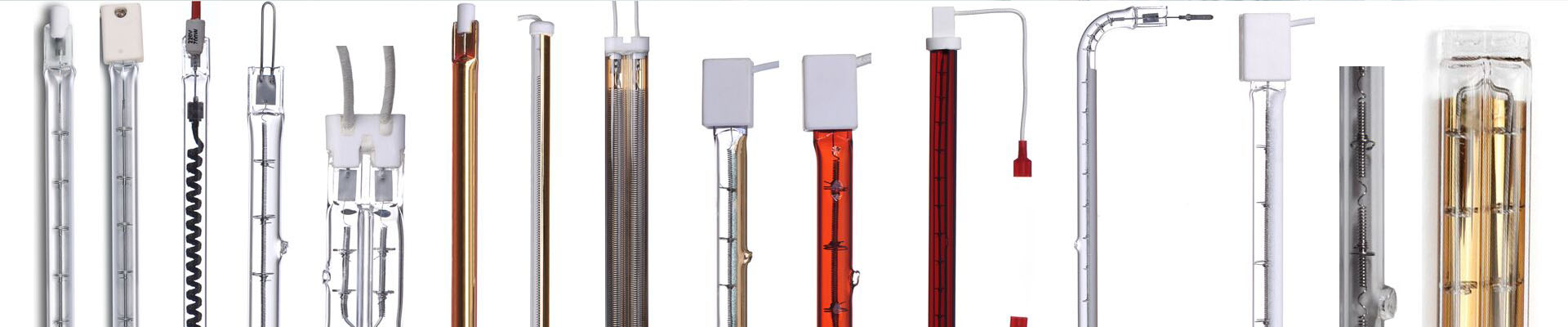
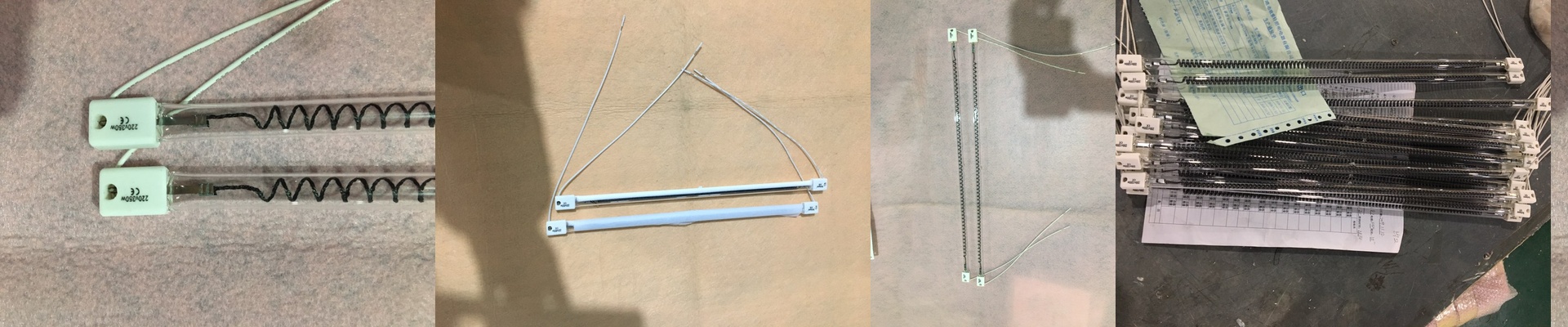
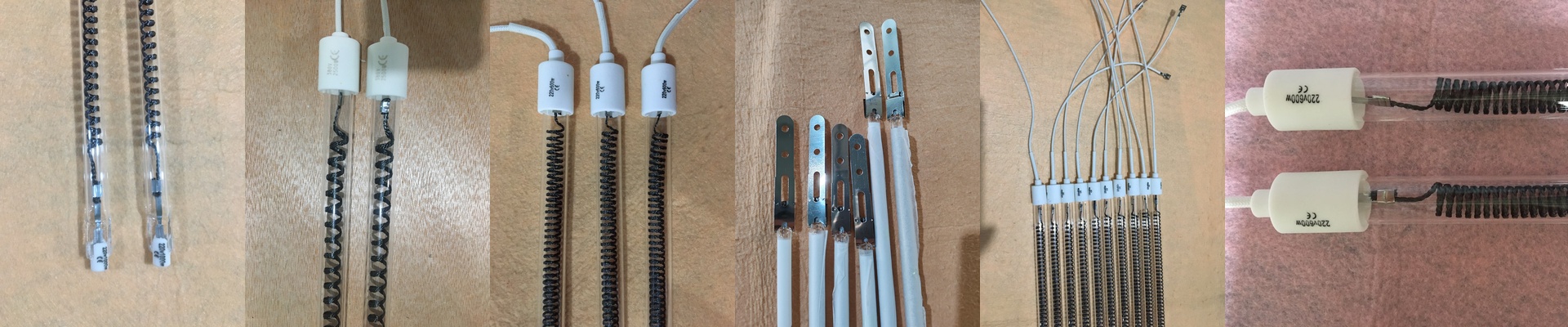
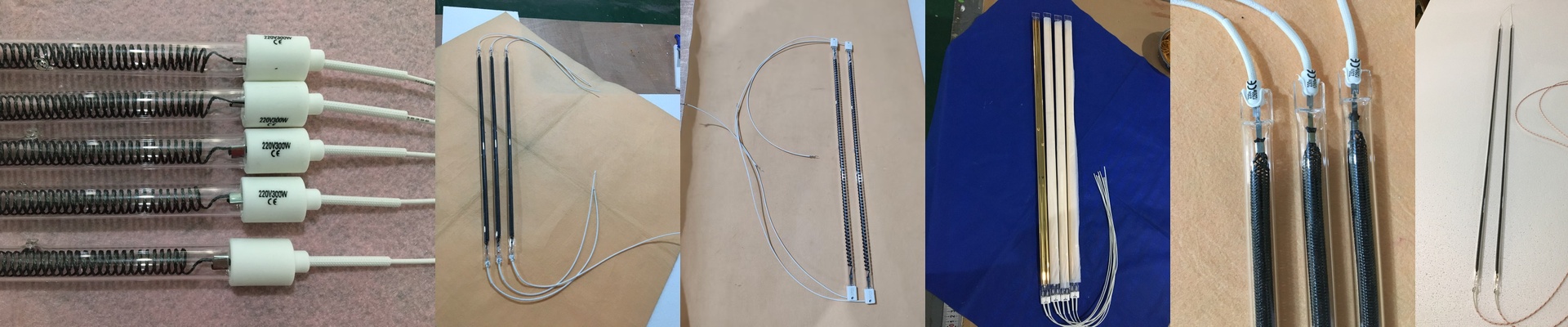
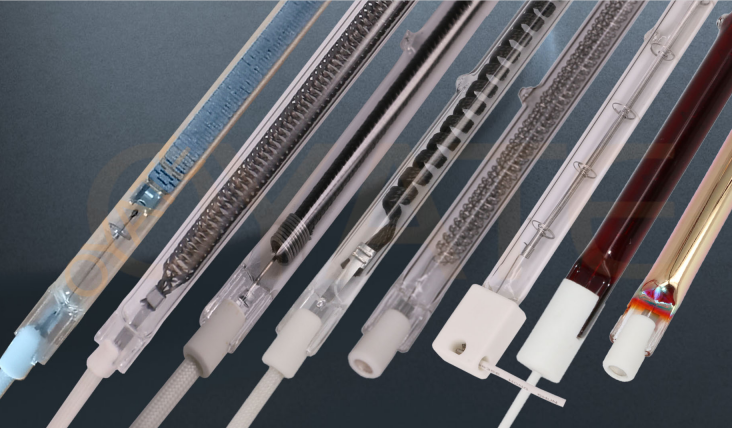
Here’s the thing about friction materials: they don’t all play by the same rules when it comes to infrared energy. If you try to use the same emitter for both ceramic and semi-metallic pads, you’re going to have a bad time. You’ll end up with pads that are scorched on the outside but raw in the middle, or just plain uneven curing. It all comes down to how the material absorbs heat. The wavelength struggle Ceramics and semi-metallics have totally different “personalities” when it touches heat. Ceramics tend to bounce back a lot of mid-wave IR. To actually get the heat into the core of the pad, you have to shift toward short-wave emitters. Semi-metallics are the opposite. Since they’re packed with copper or steel fibers, they soak up heat on the surface almost instantly. If you aren’t careful, you get the “skin effect”—where the surface is burning while the center is still cold. We spend a lot of time matching the wavelength to the specific material so that happens to nobody. Power, speed, and the heat problem We build these emitters to hit very specific wattage targets. Higher density means the curing happens faster. That’s great for your throughput. But there’s a catch. Those high-wattage tubes put out a massive amount of radiant heat. If your shielding isn’t spot on, that heat can actually warp your conveyor frames. It’s a mess. Before you flip the switch, make sure you’ve crunched the numbers on your total heat load. Your cooling fans need to be able to keep up with the rise in ambient temperature, or you’re just baking your equipment. A few tips for the engineers If your production line jumps between ceramics and semi-metallics, don’t rely on a fixed-output lamp. You’ll either under-cure the ceramics or fry the metallics. You need a power supply you can actually control. We focus on the “spectral match.” By tweaking the filament temperature and the coating of the emitter, we make sure the heat peaks exactly where the material wants to absorb it. It saves energy. More importantly, it stops the pads from cracking during the ramp-up. Everything just flows smoother.