Getting the Heat Right: IR Wavelengths and Brake Pads
Here is the thing about heating brake pads: you can’t just throw a generic heater at them and hope for the best. Ceramic pads and semi-metallics are completely different beasts. If you try to use the same lamp for both, you’re asking for trouble. You’ll either end up with a core that’s still cold or a surface that’s scorched to a crisp. It all comes down to how the material “drinks” the infrared energy.
The Material Struggle
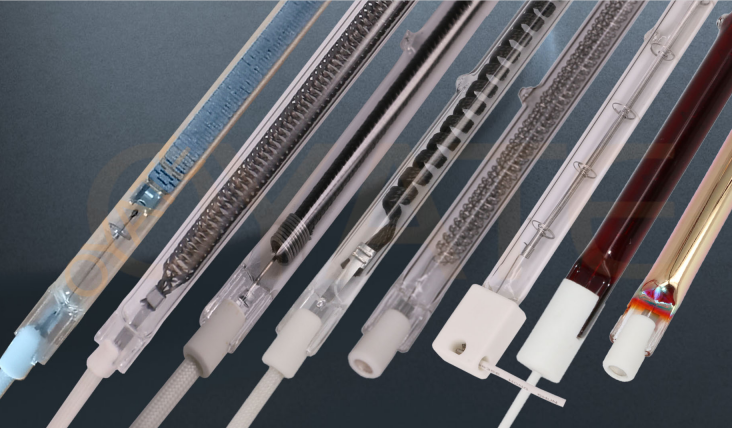
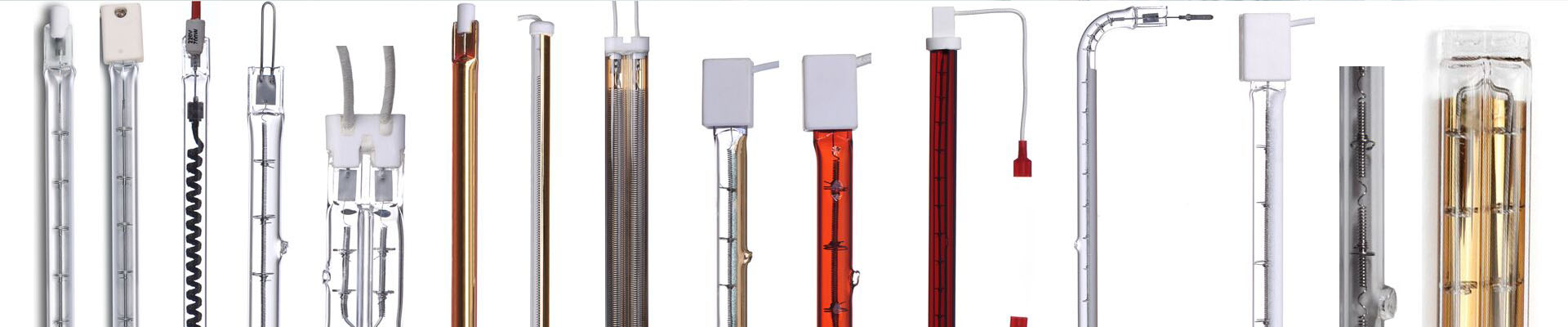
Semi-metallic pads are tricky. Because they’re packed with steel fibers or copper, they tend to bounce the IR energy right back. To actually get the heat to soak into the center of the pad, we have to change the wavelength. Depending on how deep we need that heat to go, we’ll lean toward short-wave or medium-wave emitters. Ceramics are the opposite. They soak up heat quickly—maybe too quickly. If you hit them with too much power too fast, they can crack. It’s a delicate balance. We dial in the power density so the pads warm up steadily without hitting that “thermal shock” breaking point.
More Than Just Plugging It In
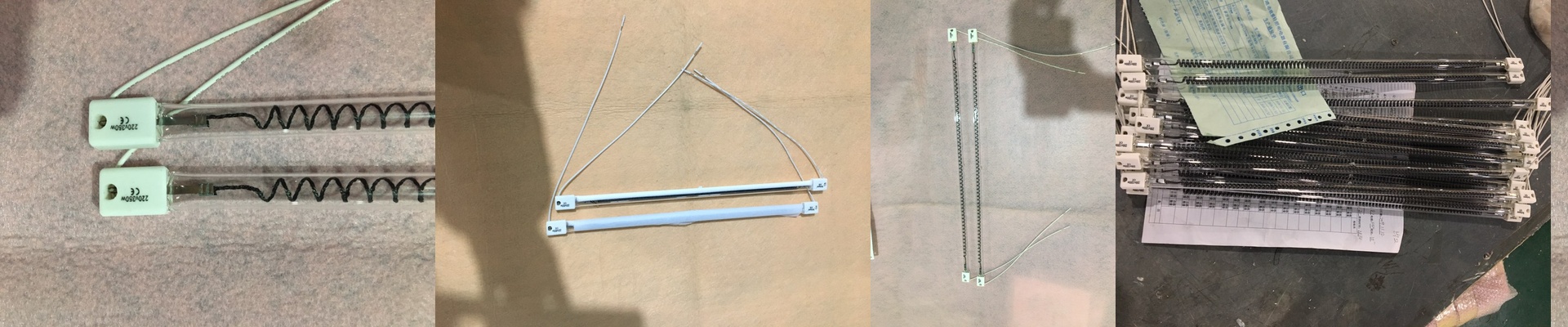
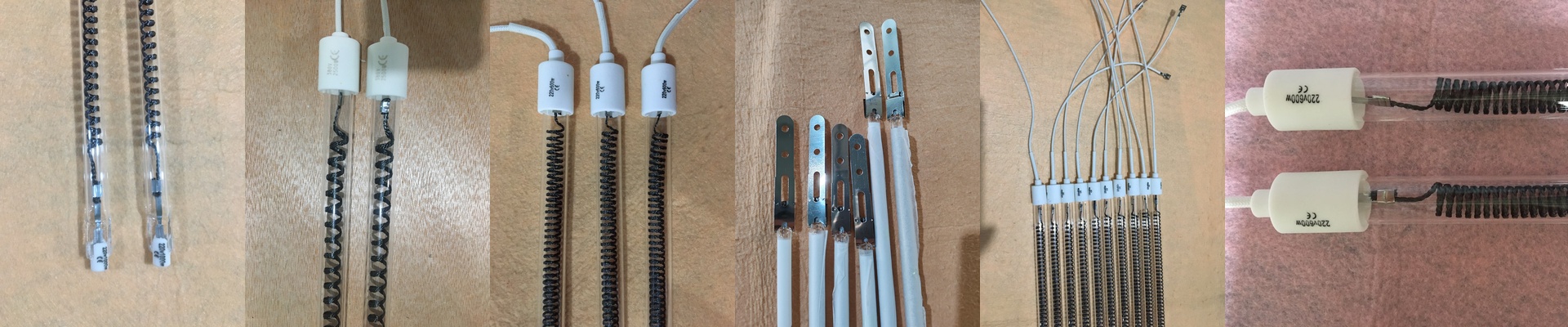
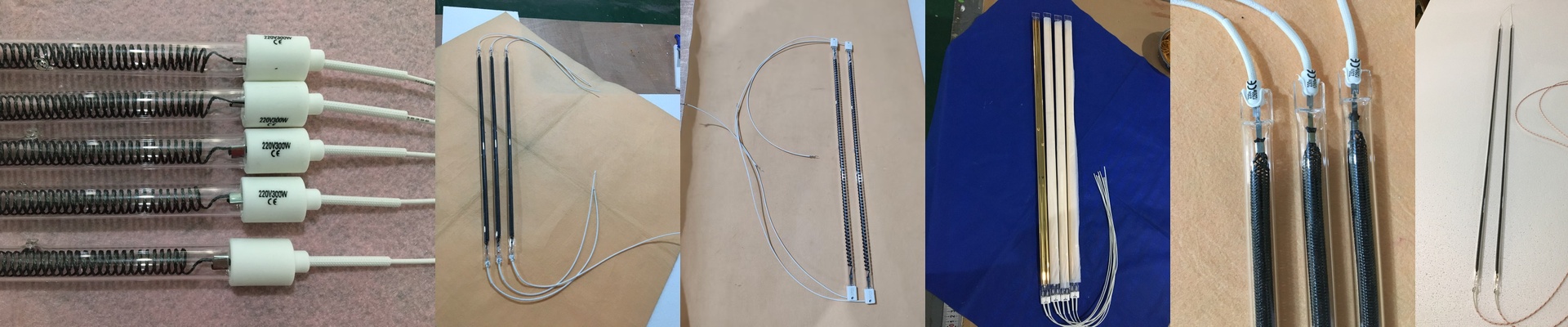
We don’t just slap a lamp on a conveyor and call it a day. We spend a lot of time crunching the numbers on wattage per square inch. The goal is to hit that target core temperature without frying the resins on the surface. That means tweaking the lamp length and the voltage until the heat is perfectly even across the whole belt. And you have to be careful with the gap. If you move the lamp closer, sure, it gets hotter. But your “sweet spot” for uniform heating gets a lot smaller.
The Real-World Trade-offs
Fast cycle times sound great on paper. High-intensity lamps get the job done quickly, but they’re power-hungry. If you push for maximum wattage to speed up production, your electrical panels will feel it. Plus, all that heat has to go somewhere. If your cooling fans and vents aren’t up to the task, you’re looking at warped fixtures or lamps that burn out way too soon. We give you the exact wavelength data you need so you can wire everything up and hit your cure specs on the very first run. No guessing. No wasted parts.