Getting Your Brake Pad Curing Right
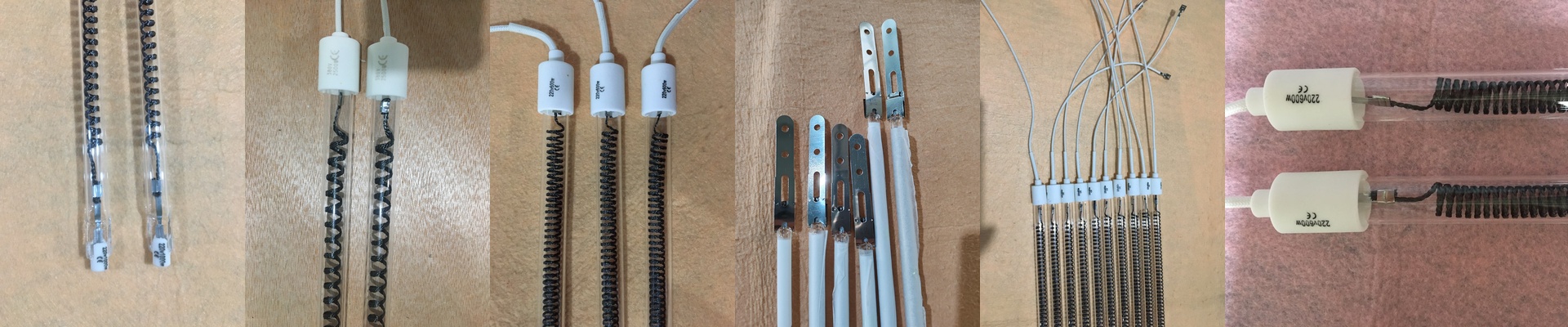
Here is the thing about curing brake pads: you can’t just treat them all the same. If you try to run ceramic pads and semi-metallic pads through the exact same IR setup, you’re going to have a bad time. You’ll either end up with heat that barely touches the center or surfaces that are scorched to a crisp. It all comes down to how the material “sees” the heat. That’s why we don’t do generic. We build our IR heaters to match the specific way your material actually absorbs energy.
The Trick to Wavelengths
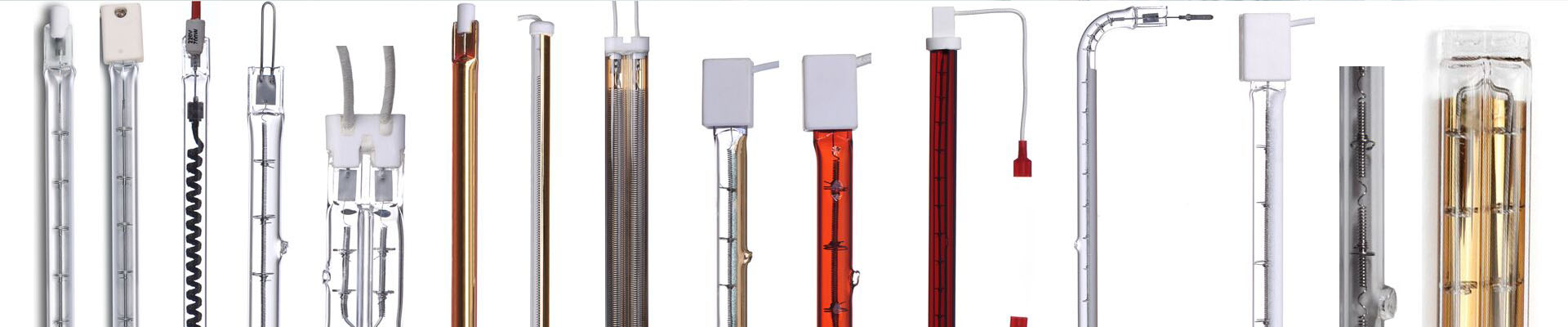
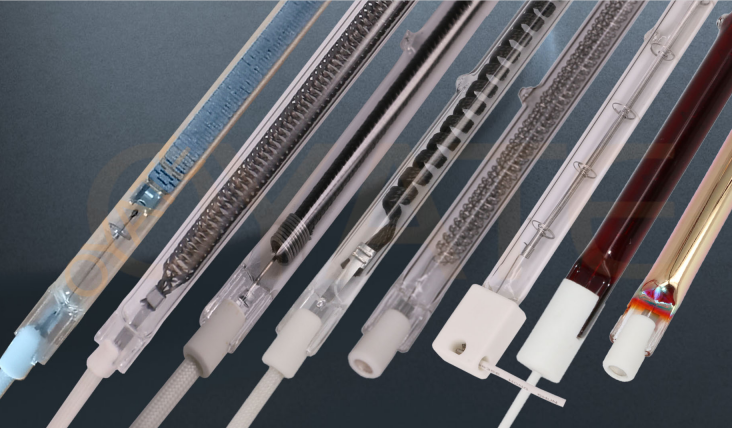
Semi-metallics are tricky. Because they have more metal in them, they tend to act like a mirror—the IR energy just bounces right off. To actually get that heat deep into the core of the pad, we have to shift the wavelength. We play around with the quartz tube thickness and the filament mix so the heat actually sinks in instead of just glancing off the surface. Ceramics are a different story. If the wavelength is too short, you hit a problem called “skinning.” The outside hardens way too fast, trapping moisture and gases inside. It’s a mess. We tune the lamps to give the part a steady, deep soak so it cures evenly from the inside out.
Gear and Trade-offs
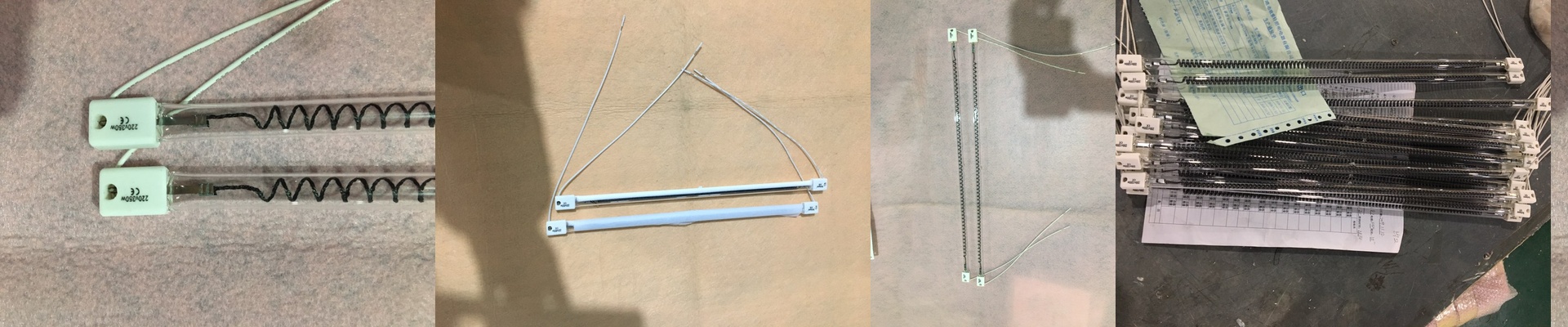
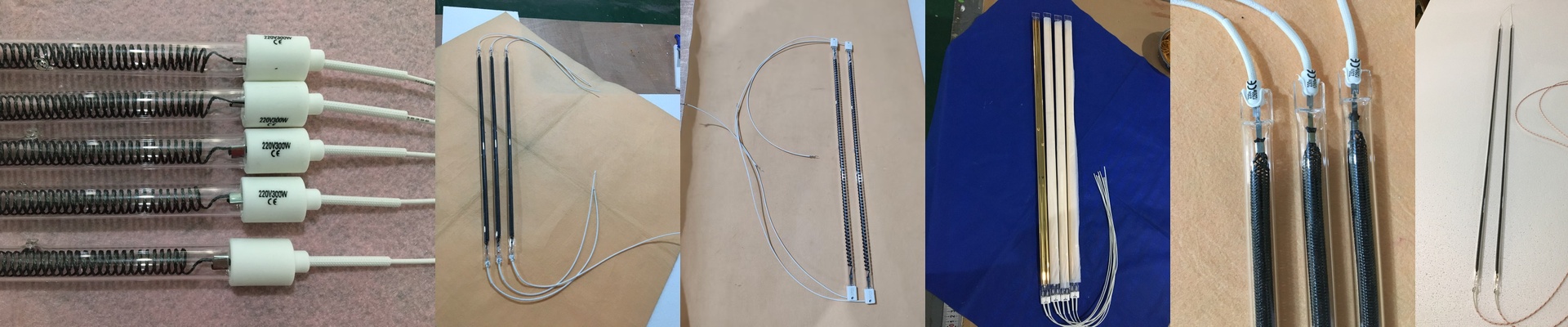
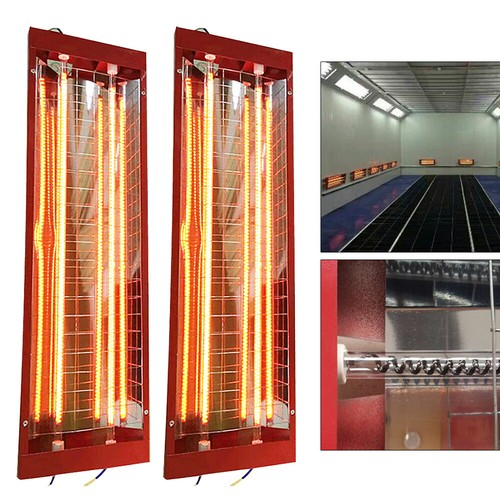
Depending on how fast your line is moving, we’ll go with either shortwave or medium-wave emitters. Shortwave is the heavy hitter. It’s fast. Really fast. Which is great for your throughput, but it’s a bit temperamental. You have to be spot-on with the distance. If the pads get too close to the tube, you’ll burn the resin before you even know it. Since these things live on conveyor systems, we use reinforced connectors. They can take the constant shaking and vibration without rattling apart. They’ll plug right into your existing PLC controllers, just make sure your power supply can handle that big initial jump in current when you first flip the switch.
Making it Work on the Floor
When you switch material grades, resist the urge to just crank up the voltage. That’s a shortcut to burning out your filaments. Instead, try adjusting the focal point of the lamp or using zoned control to manage the heat. It’s a much gentler way to handle the flux. It keeps your cure cycle steady, whether you’re running a high-copper semi-met or a low-steel ceramic.