
Why Your Brake Pads are Squealing (and How to Fix It)
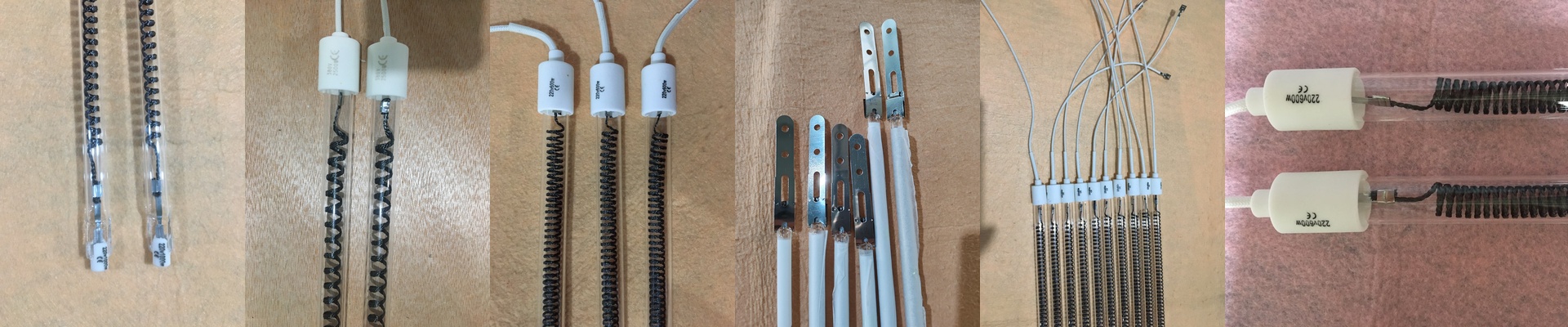
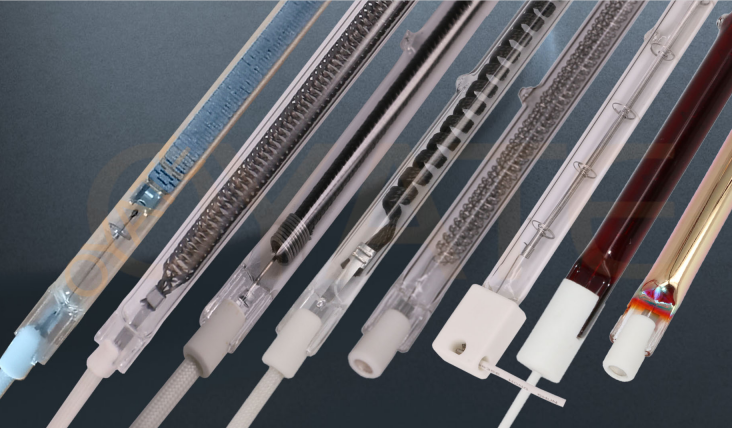
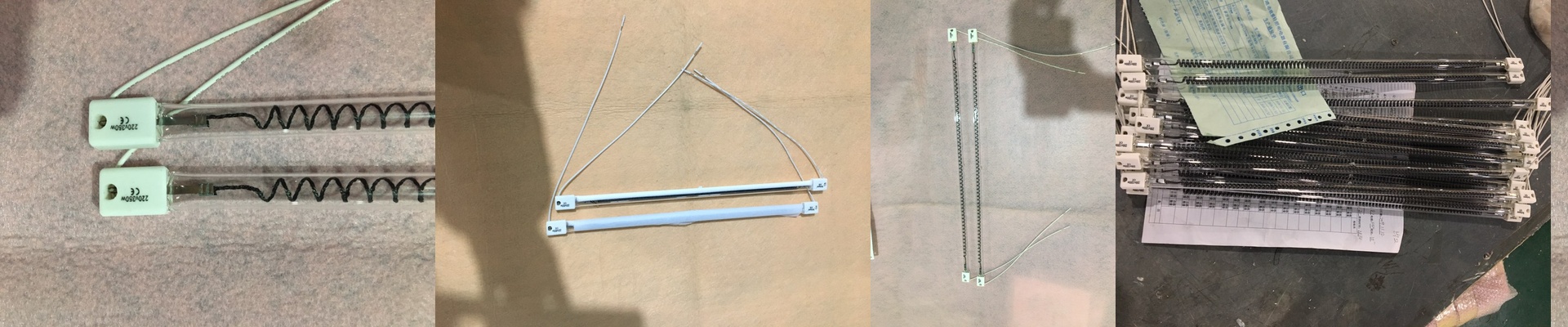
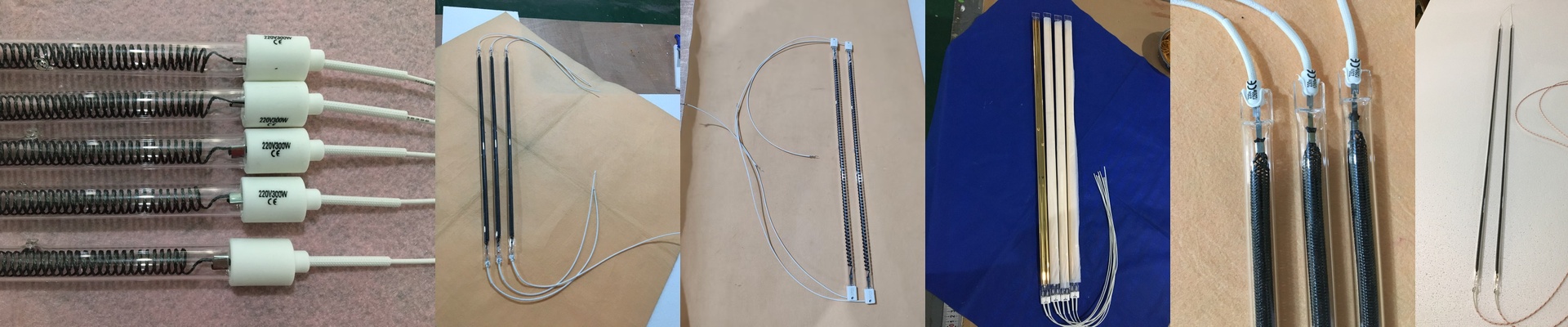
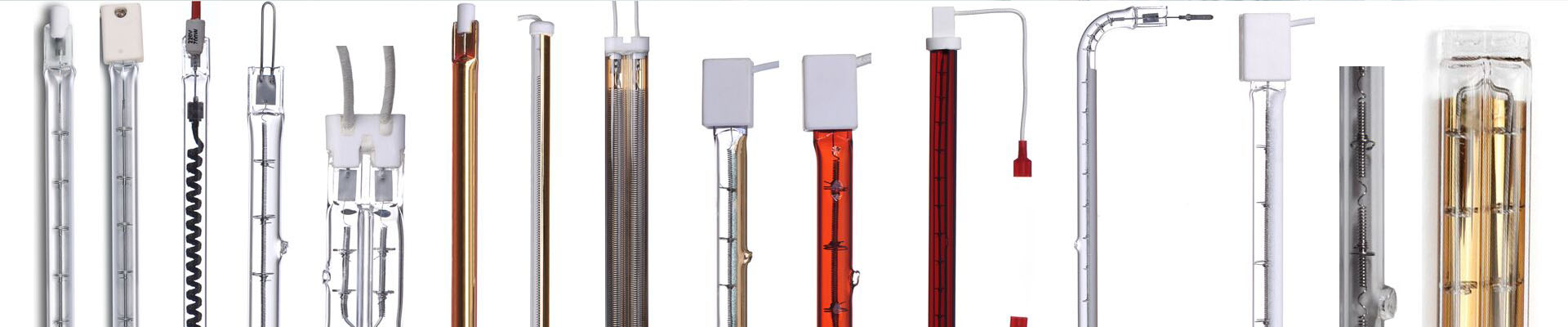
Most brake noise actually starts way before the pad ever hits a rotor. It happens in the curing oven. Here is the problem: when friction materials don’t cure evenly, you end up with internal stress and weird density gaps. This creates “hot spots” the second someone hits the brakes. Those hot spots cause vibrations, and those vibrations are exactly what you hear as that annoying squeal. Standard convection ovens are usually the culprit. They heat from the outside in. By the time the core of the pad is actually cured, the surface is already overcooked. Getting the heat where it matters We do things differently by using short-wave infrared (IR) emitters. Think of it like this: instead of blowing hot air around the part, IR radiation dives straight into the material. The energy is absorbed by the internal structure itself. This means the whole thing cures at once—from the center all the way to the skin. You get a consistent, solid piece of material. The tricky part You can’t just blast the heat and hope for the best. You have to balance the wattage and the distance. If you run the lamps too hot without zoning them properly, you’ll scorch the edges. Plus, if the heat isn’t controlled, the resin can migrate to the surface, which ruins everything. The best way to handle this is to stop trusting the air temperature. Use a closed-loop PID controller and an IR pyrometer. That way, you’re tracking theactual temperature of the part, not just the air floating around it. A few things to keep in mind IR is fast. Really fast. But it’s line-of-sight. If your parts are stacked or something is blocking the light, you’ll get cold spots. You have to be intentional about where those lamps go to make sure every single inch of the material gets hit. Also, keep an eye on your gear. The heat flux is intense, so make sure your conveyor belts and jigs can handle the load. If they aren’t rated for it, they’ll warp. At the end of the day, uniform curing leads to a uniform friction coefficient. When the material is consistent, the pad wears down evenly. And more importantly? It stays quiet.