Let’s Talk About carbon Fiber Heating Elements
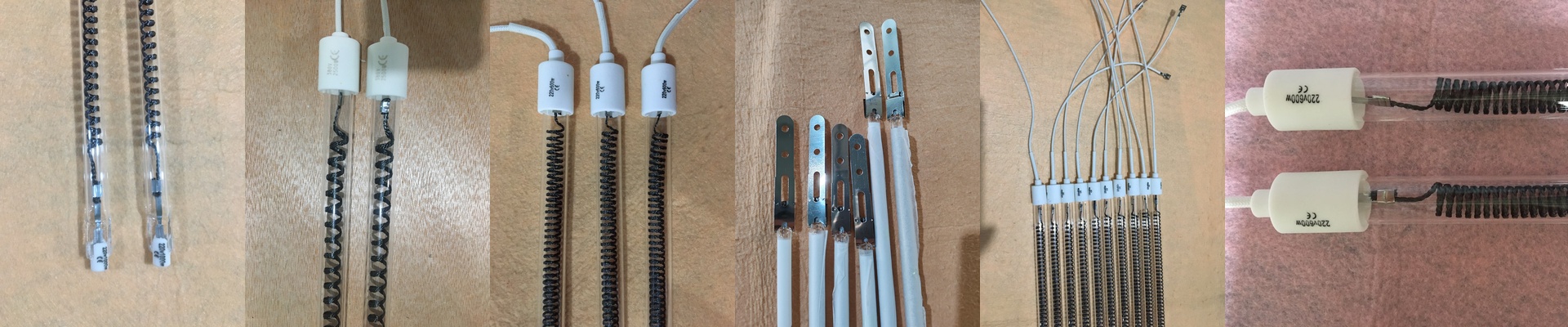
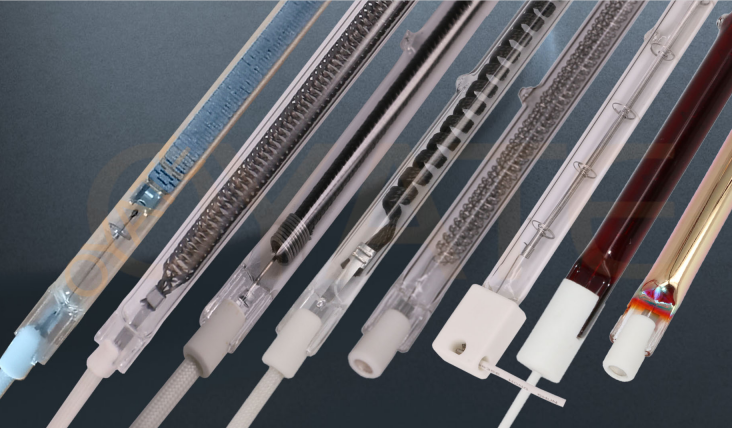
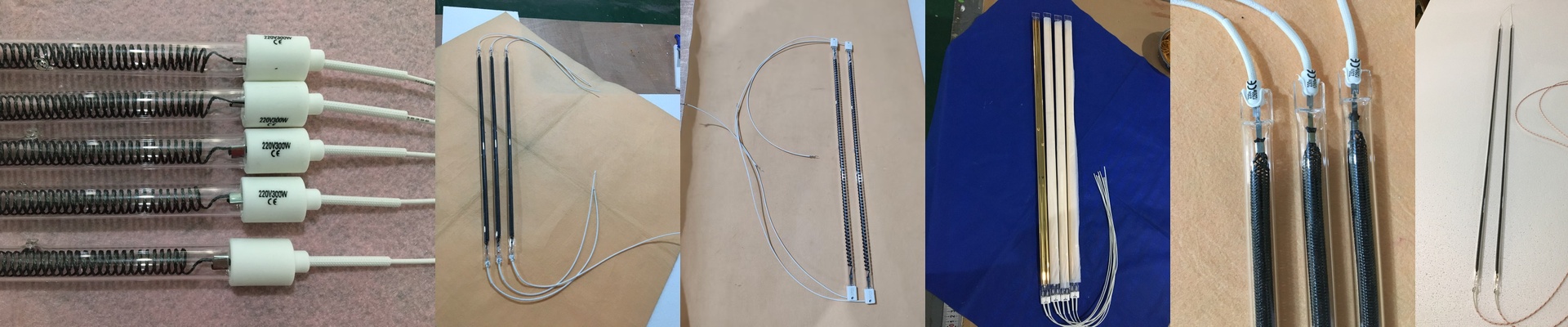
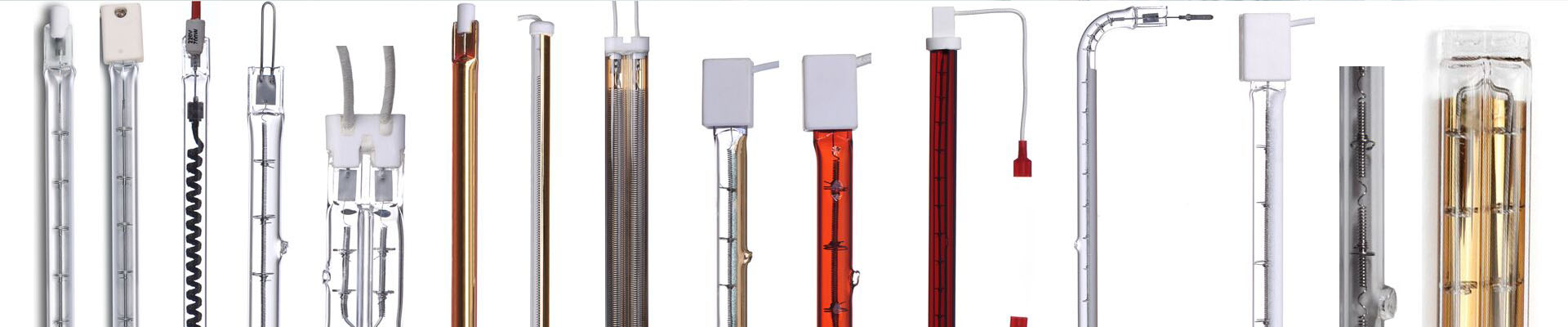
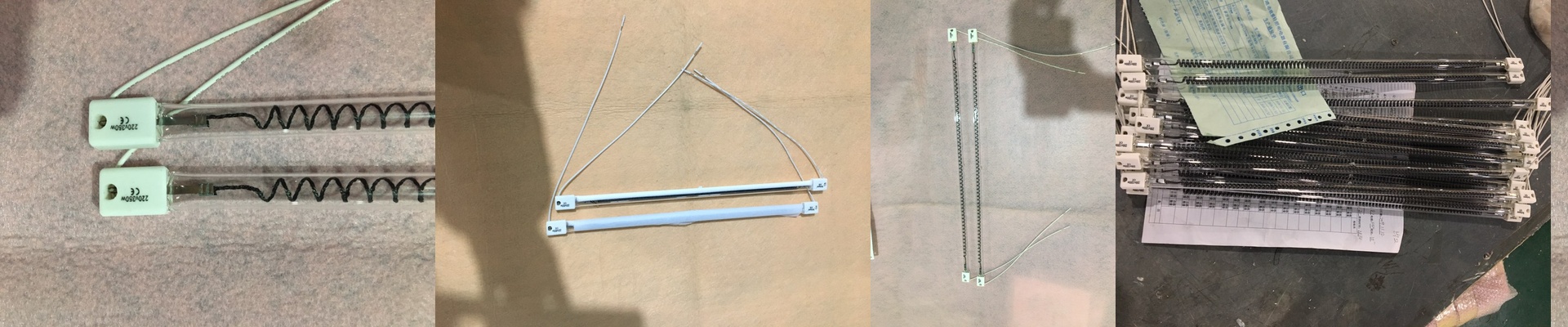
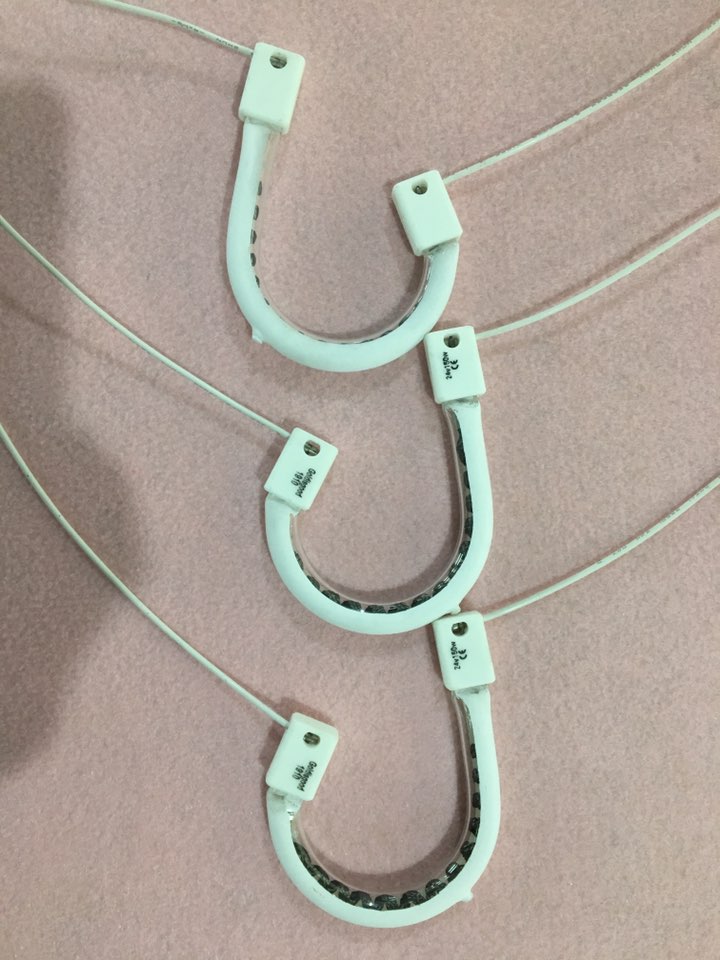
Ever get tired of waiting for your equipment to warm up? That’s where carbon heating comes in. Instead of using old-school metal filaments, we use carbon fiber or carbon composites. The big win here is speed. These things ramp up fast. Plus, they send out a specific kind of infrared light that sinks right into your materials. You aren’t wasting energy heating up the air in the room; you’re putting the heat exactly where it needs to go. The Power Balance Now, carbon doesn’t behave like tungsten. It’s a different beast. When you’re picking out a heater, it’s all about the tug-of-war between wattage and surface area. Sure, you can go for high-wattage density to keep the footprint small, but keep in mind that puts a lot more stress on your power supply. And a word of warning: don’t push the voltage to the limit. If you do, the carbon matrix starts to break down. The trick is to match your transformer output exactly to the lamp’s rating. If you don’t, you’re just asking for a premature burnout. How They’re Built We tuck the carbon element inside a high-purity quartz tube. Think of it as a protective shell that keeps oxygen away from the filament and holds in the vacuum or inert gas. It keeps things stable. Depending on what you’re actually heating, we can add coatings to the quartz to tweak the emission from shortwave to medium-wave. Then there’s the connector. Whether we use a pinch-weld or a threaded cap matters more than you’d think. Carbon heaters expand and shrink fast every time you cycle them. If that connection isn’t solid, you’ll get arcing, and the whole thing will fail instantly. The Trade-offs The good news? These lamps usually slide right into old halogen systems. They’re way more efficient at converting energy. But here’s the catch: carbon is more fragile than metal coils. It can’t take a beating. If your machinery shakes or vibrates a lot, you can’t just bolt these in. You’ll need dampened mounts to isolate the heating bank, or you’re going to have a bad time. Also, don’t forget your cooling system. These things put out a massive amount of radiant heat. If your cooling isn’t up to the task, your housing might actually start to warp.