Getting Carbon Fiber Heating Right for Your Gear
If you need heat—and you need it now—standard metal coils usually won’t cut it. That’s where our carbon fiber elements come in. Instead of just getting hot and hoping for the best, these use a conductive polymer matrix to push out infrared radiation. It’s a different kind of heat. It’s faster. And for most industrial setups, that’s a massive win.
The Nitty-Gritty on Power
When we’re figuring out your specs, we spend a lot of time talking about linear power density. In plain English? It’s how many watts we pack into every centimeter. The higher the wattage, the faster your workpiece hits that target temperature. This is great because it lets you shrink the size of your heating chamber. But you have to be careful. Your power supply and the fiber length have to be a perfect match. If the voltage is too high for the gauge we’re using, you’ll likely fry the element right where it connects.
How We Actually Build Them
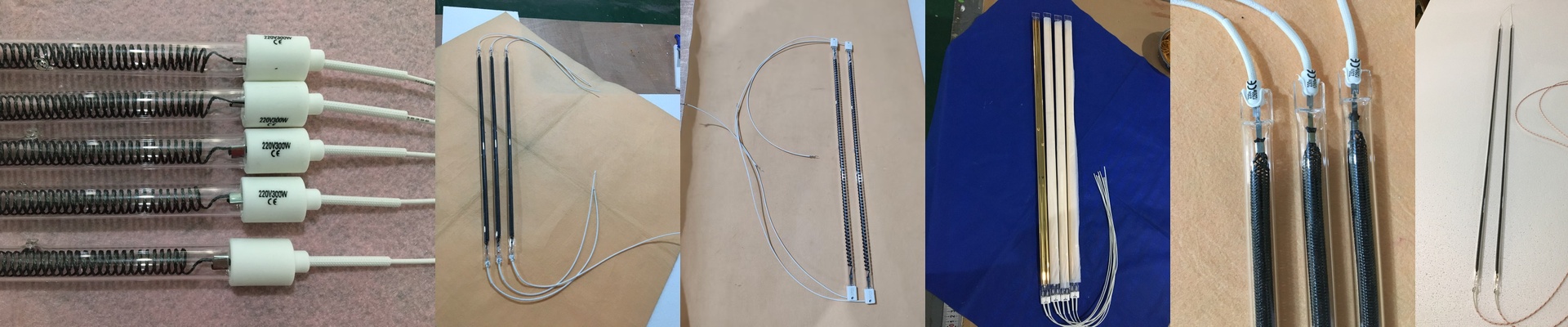
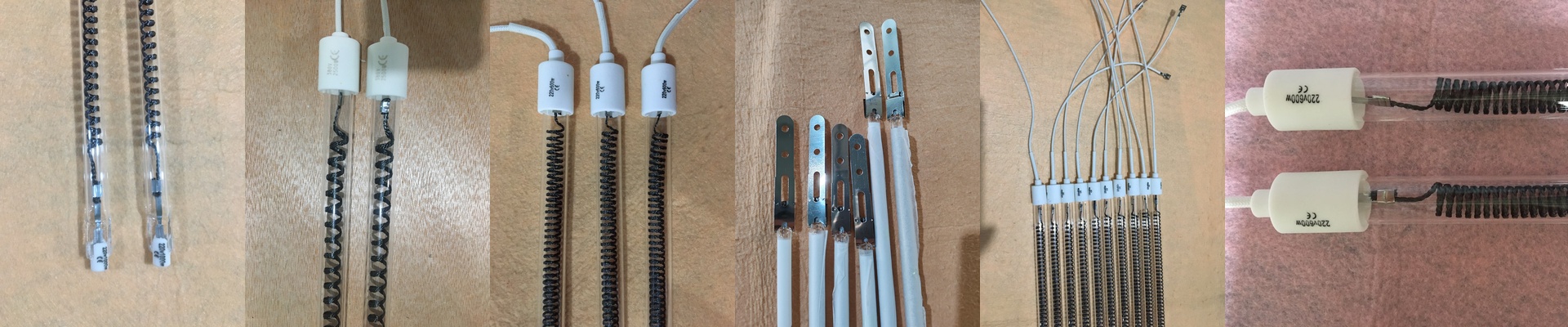
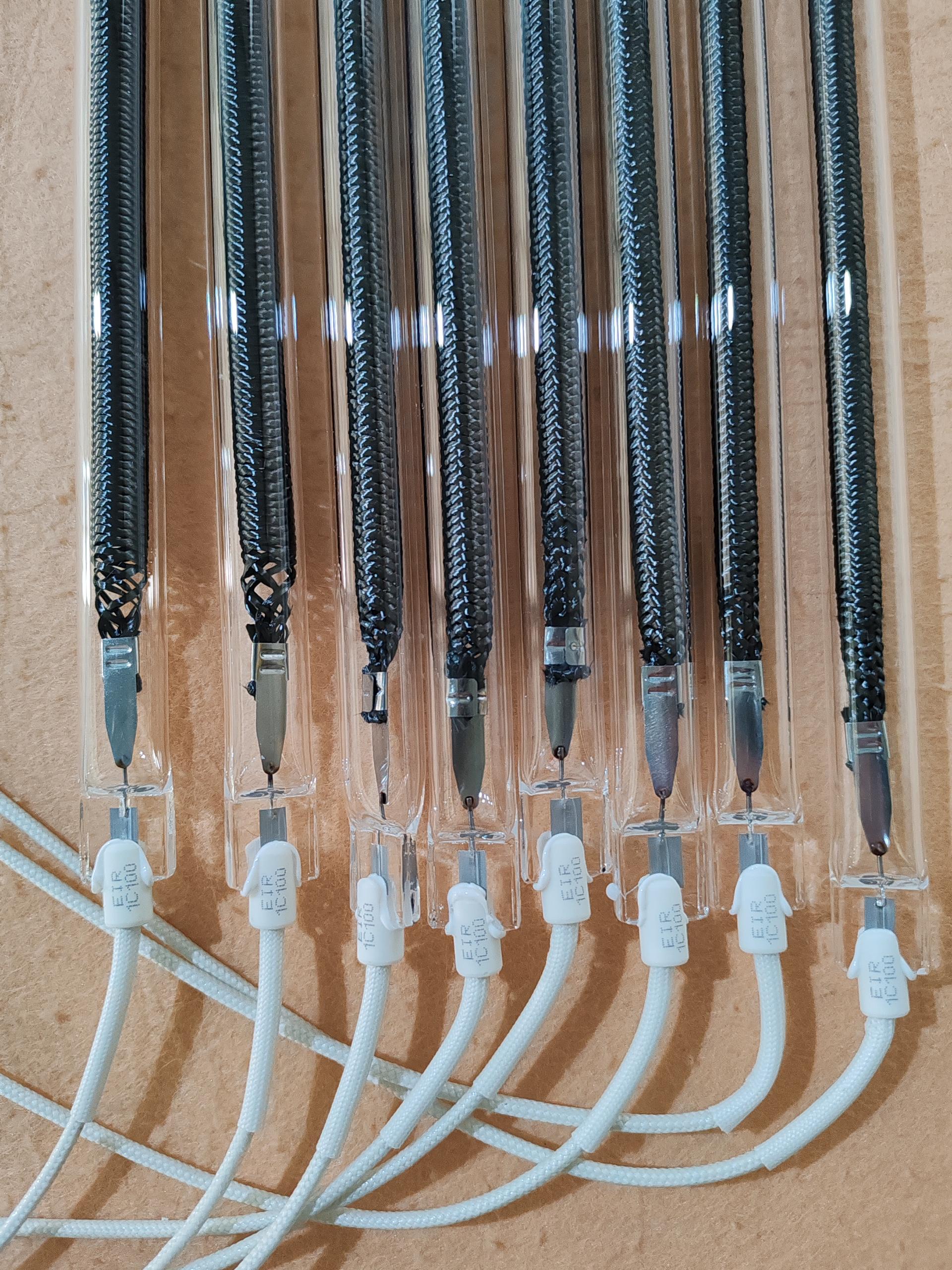
We start with a high-purity carbon fiber core. To keep it safe, we wrap it in a sheath—usually quartz or a tough polymer, depending on what your environment looks like. Here’s the thing: most heaters fail at the termination points. That’s where the copper lead meets the carbon fiber. If that transition isn’t perfect, you get a “hot spot” that eventually kills the element. We fix this with reinforced crimping and specialized connectors. They’re designed to slide right into the spot where your old resistive heaters used to live, but you’ll notice the heat spreads much more evenly across the surface.
The Real-World Trade-offs
These are a dream for things like PET blowing, curing textiles, or drying automotive paint. They ramp up way faster than ceramic heaters. But they aren’t invincible. Carbon fiber hates being bent or shaken. If your machine vibrates a lot or requires tight turns, the fiber can just snap. You’ll want to make sure your mounting brackets give the elements plenty of breathing room so they don’t touch the workpiece. One last tip: if you’re pushing the power density to the absolute limit, don’t skimp on your cooling fans. If the ambient air gets too hot, you risk melting your own housing.
- CarbonFiber
- OEM
- IR Heating
- Thermal Management
- Industrial Heating
- Carbon
- Fiber
- 2500w-415v-R7s-Replacement-Infrared-Lamp-Halogen-Infrared-Lamp-Heater-for-Pet-Blowing-Machine
- 1000w-440v-Sk15-Half-White-Plated-Halogen-Infrared-Heat-Lamp-for-Pet-Bottle-Blowing-Machine
- 2000w 440v R7s Ir Heater Lamp Half White Halogen Infrared Heat Lamp for Pet Bottle Blowing Machine
- Pet-Blowing-Machine-Heating-1500w-Ir-Heater-Clear-Tube-Infrared-Halogen-Heat-Lamp
- 380v 2000w Half White Coating Infrared Quartz Heat Lamp With Sk15 for Pet Blowing Machines
- 2500w 400v Sk15 Halogen Infrared Heat Lamp Infrared Lamp Heater for Pet Bottle Blowing Machine
- 1600w-220v-Sk15-Infrared-Lamp-Heater-Halogen-Infrared-Heating-Lamp-for-Pet-Blowing-Machine
- 220v 2000w Half White Coating Infrared Quartz Heat Lamp With Sk15 for Pet Blowing Machines
- Ir-Quartz-Glass-Infrared-Heat-Lamp-for-Pet-Blowing-Machine
- 2500w 2000w 1500w 240v R7s Half White Plated Halogen Ir Infrared Heat Lamp for Pet Blowing Machine