Introduction
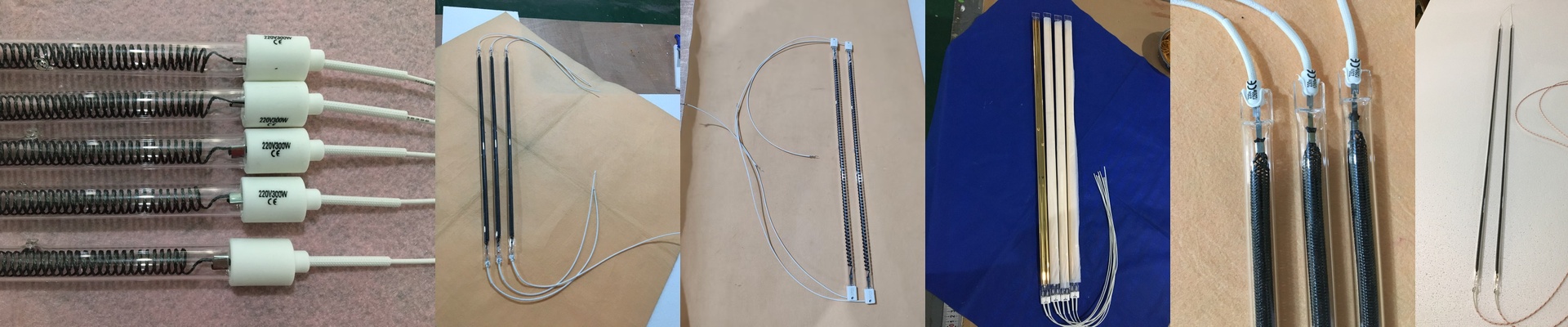
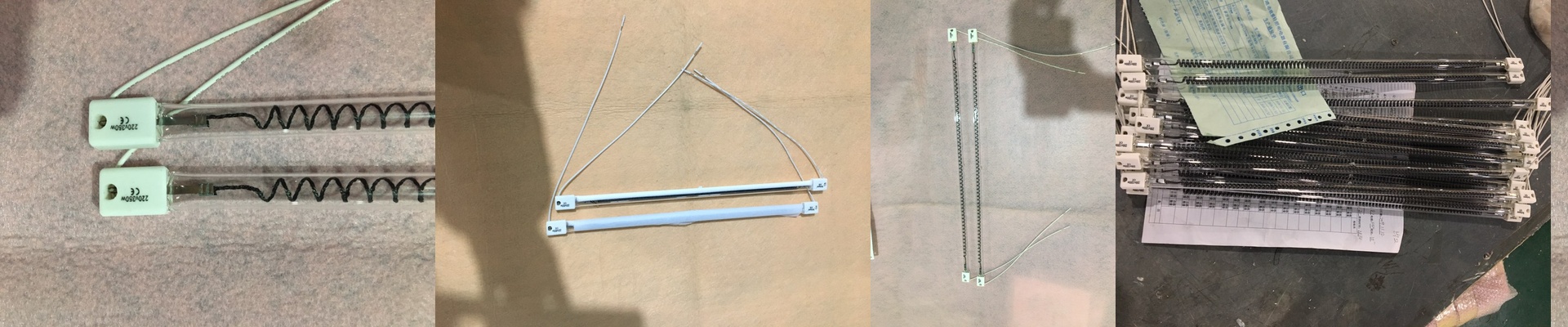
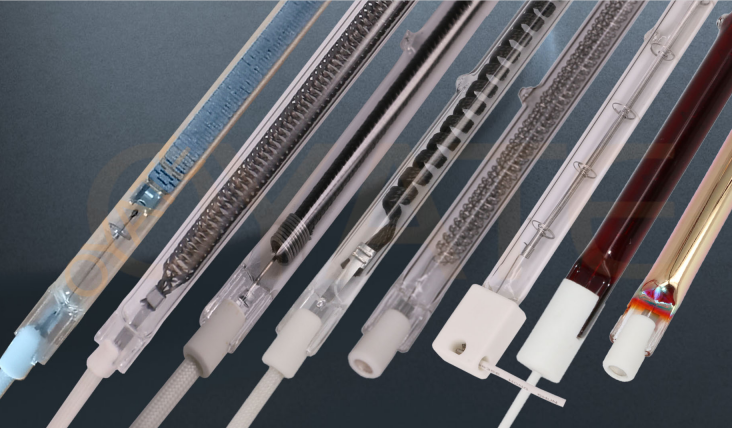
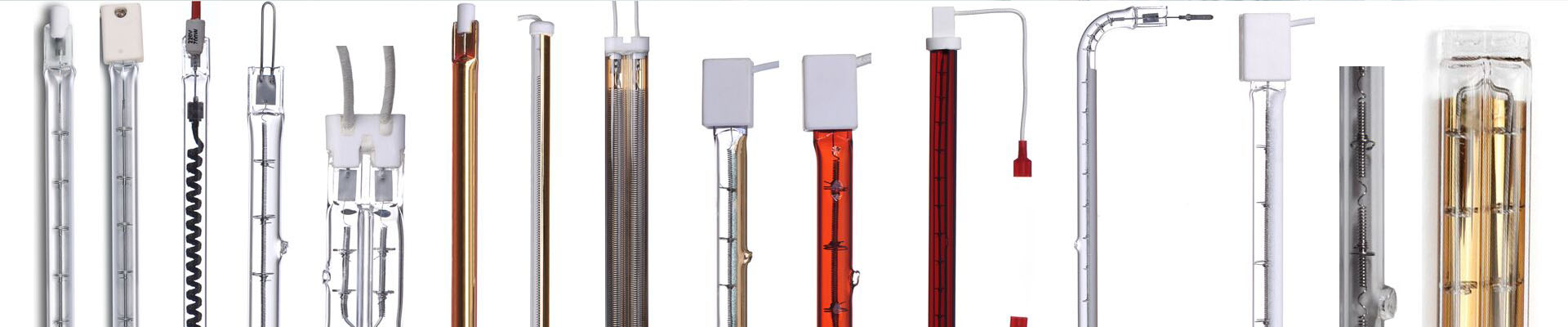
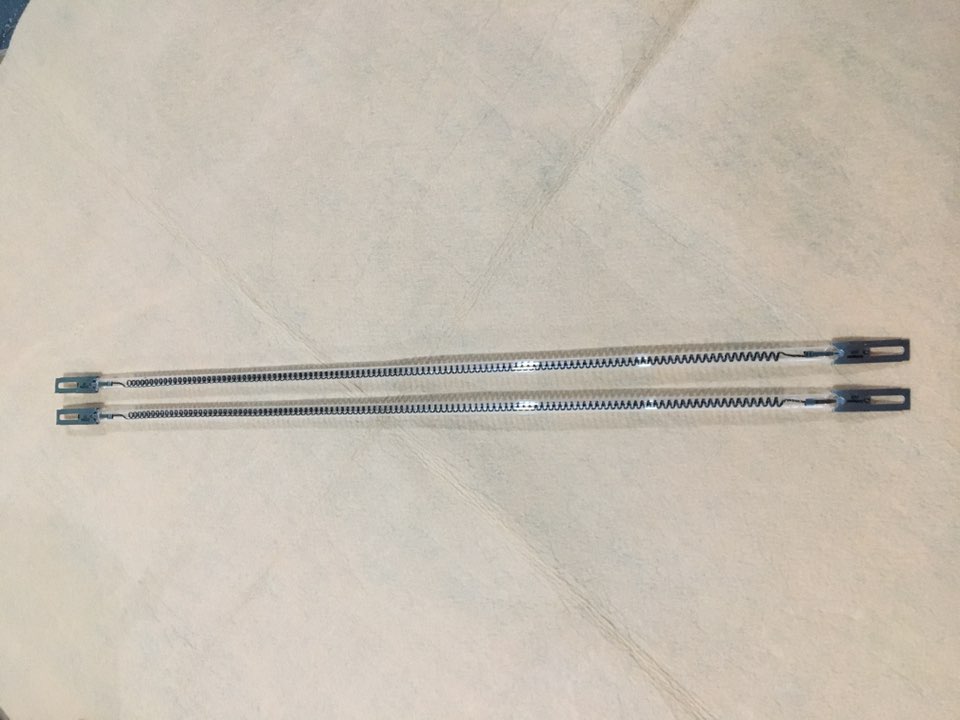
Picture this: you’ve got an industrial process that can’t afford to wait. It needs heat, and it needs it now. That’s exactly what we built these tubular carbon fiber heating elements for. We’re talking about serious, compact power. These are halogen-filled quartz tubes that blast out high-intensity infrared heat, hitting their target temperature in mere seconds. They were designed to be a straight-up, drop-in replacement for machines where space is tight and time is money. The kind of situation where you need reliable, predictable heat without tearing the whole thing apart.
Let’s Get Into the Details: Voltage, Power, and Size
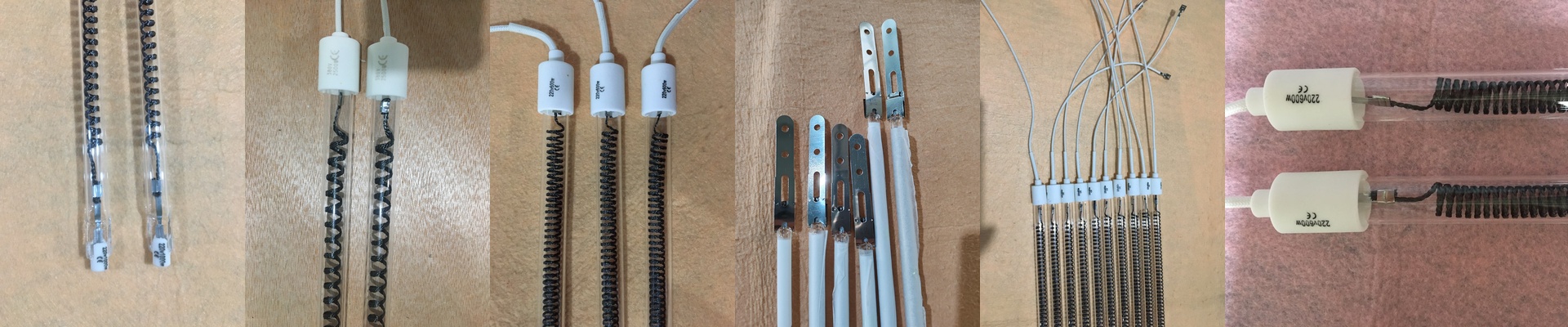
Here’s the thing about these elements—they’re not just a random design. They’re sized and rated to actually fit the real-world space you’re working with. We’re running a 400V high-voltage design. What does that mean for you? It keeps the current draw down, which in turn means you can use smaller wiring and put less stress on your connections. The 300mm length focuses all that heat into one precise spot, and the 2500W rating gives you the raw power you need for rapid heating. You get that lightning-fast ramp-up and rock-solid output. But, and this is important, that kind of heat density means you’ve got to plan for it. Make sure you have proper cooling or shielding in place to keep the surrounding components safe.
What’s Inside: Halogen, Coating, and the Connectors
Let’s pop the hood. Inside that quartz tube is a carbon fiber filament, all backed up by a halogen gas fill. This combo does something pretty clever—it stops the filament from evaporating, which keeps the output stable and consistent over the long haul. Then there’s the reflective coating on the tube. It’s like a little spotlight, redirecting all that infrared energy forward so it hits your target with maximum efficiency. And for the connection, we use an R7s double-ended connector. It’s a standard, tough-as-nails interface that locks everything in place and can handle the constant heating and cooling of a busy shop floor.
Where It Shines: Applications and What You Gain
These elements are the workhorses for jobs like PET blowing, plastic welding, and any other heating stage that demands fast, focused heat. That quick-heat feature is a real time-saver, shaving seconds off every cycle. And because they’re so compact, integrating them into your setup is a breeze. Just keep in mind the trade-off. That high power density is powerful, but it means you have to be thoughtful. Spec out the right cooling, and always keep those connections clean and tight. Do that, and you’ll avoid hot spots and premature burn-out, keeping everything running smoothly.