IR Carbon Fiber Tube: The Real Deal on Power, Build, and Where It Shines
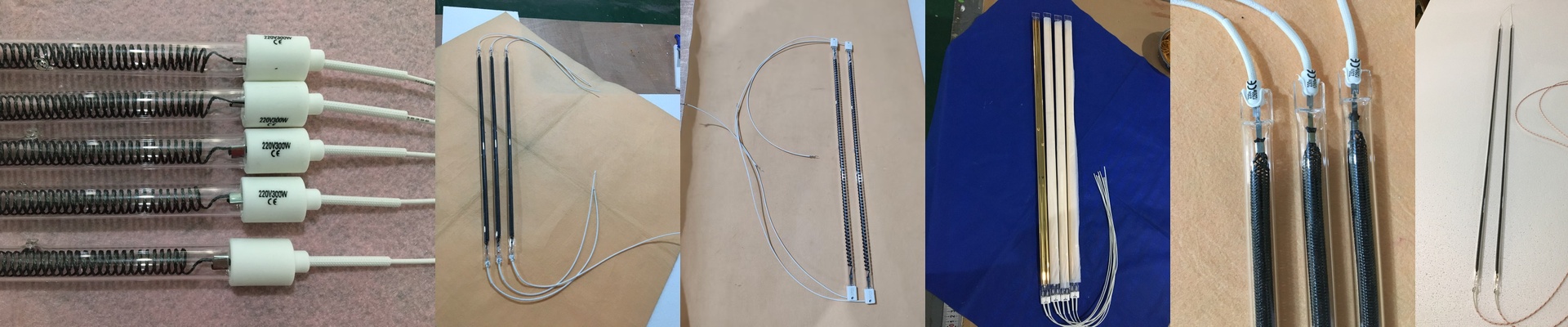
We built the IR carbon fiber tube for one reason: to give industrial heating the fast response and tight power it needs, without the bulk. It’s a shortwave infrared heater, designed for processes where speed and compact size matter.
Power, Voltage, and Size—What It Actually Means on the Floor
This tube runs at 2500W and 400V, packing a lot of heat into a small footprint. At 300mm long, the heat stays focused in one spot—perfect when you need intense, close-proximity heating. Running at 400V drops the current for the same power, which can ease the load on wiring and connections. But it also means your control setup and insulation need to be rated for that voltage. You get fast ramp-up, no waiting around. The catch? Heat management. The surrounding gear has to be ready for the local temperature rise. Plan for it, and it’s smooth. Ignore it, and you’ll feel it.
Inside the Build: Halogen, Quartz, and the Right Connection
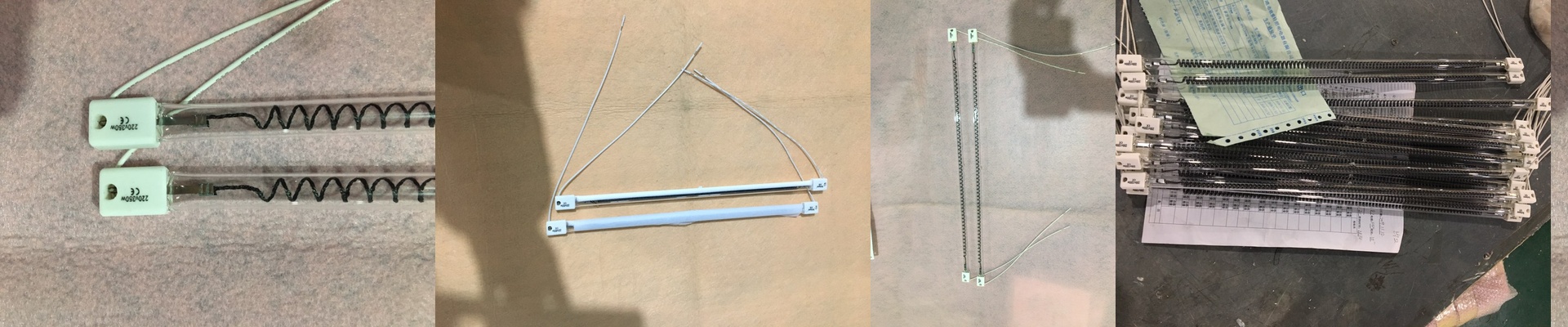
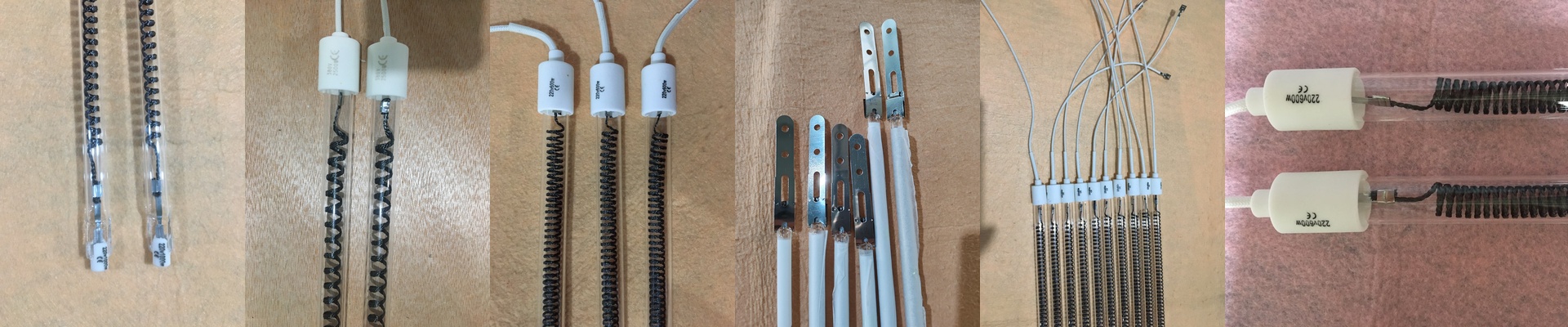
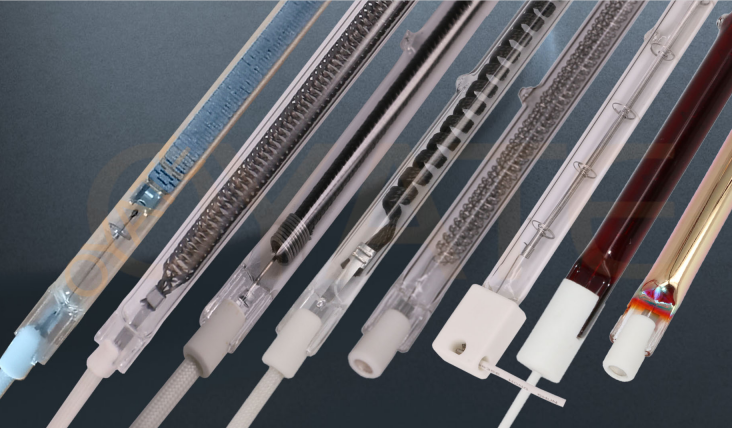
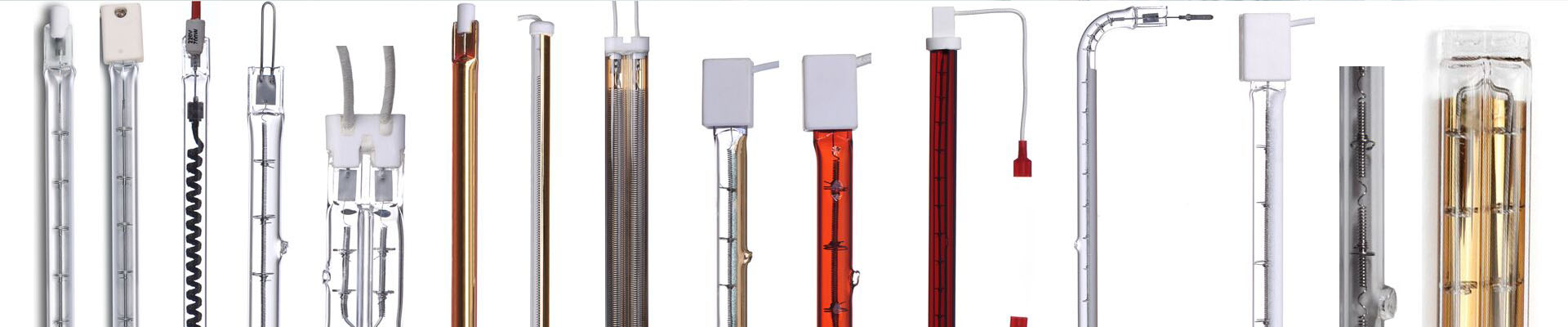
The heart is a carbon fiber filament, tucked inside a quartz envelope with a halogen fill. That halogen cycle helps keep the filament stable when things get scorching, so output stays consistent over the life of the element. Quartz doesn’t just survive the heat—it transmits shortwave IR cleanly and handles thermal shock without blinking. And the connector? We use an R7s. It’s straightforward, secure, and drops right into standard fixtures. No custom leads. No headaches.
Where It Works—And What It Feels Like to Use
This is your go-to when you need heat, fast, and exactly where you want it. Preheating. Drying. Curing. Localized heating in plastics and packaging lines. Because it’s compact, you can mount it tight, right where the action is. The shortwave response means cycles move quicker, and your process feels more responsive. You’ll get serious output—no question. Just make sure you pair it with proper cooling and shield nearby parts from radiant heat. Do that, and the whole setup runs cooler, calmer, and more predictable.