Introduction
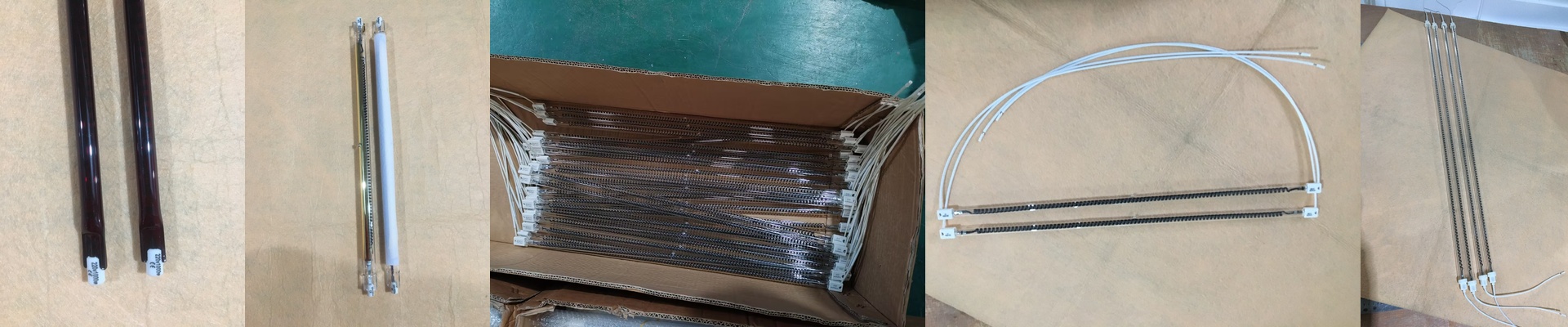
We build the 2500W 1260mm infrared carbon fiber tube as a high-output, fast-response heater for industrial thermal processes where space is tight and uptime matters. It is designed to deliver concentrated infrared energy in a long, slim envelope, so you can fit high power into a machine footprint without redesigning the whole heating zone.
Technical Deep-Dive: Power, Voltage, and Geometry
At 2500W, this tube is spec’d for processes that need rapid temperature ramp-up and stable holding temperatures under variable line speeds. The wattage rating is tied directly to the tube length—1260mm—because the resistance path and surface area determine how much heat can be generated and radiated without overheating the element. In practice, the 1260mm length gives you a predictable heating window. It covers a broad zone while still fitting into standard oven lanes, shrink tunnels, and composite curing fixtures. The power density is high enough to replace bulkier heaters, but that also means your control strategy has to keep pace. You need a controller that can handle the current rise and respond quickly to maintain setpoint without overshoot. Voltage compatibility is application-dependent. We typically offer this tube in common industrial voltage configurations so it can be wired up to existing panels without rewiring the entire machine. Regardless of voltage, the key is matching the supply and the control gear to the tube’s cold-start inrush characteristics. That is where reliability is earned—not in the element alone, but in the whole electrical loop.
Material & Design: Carbon Fiber, Quartz, and R7s
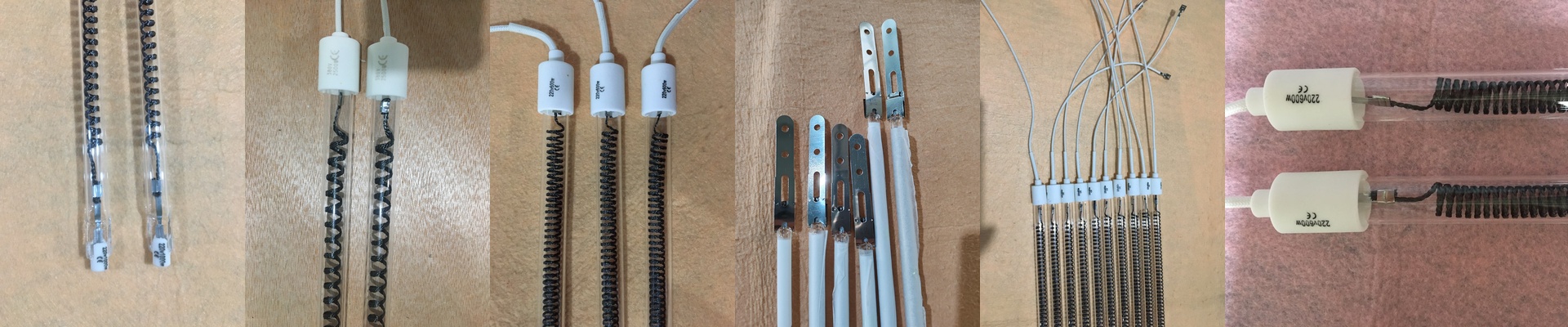
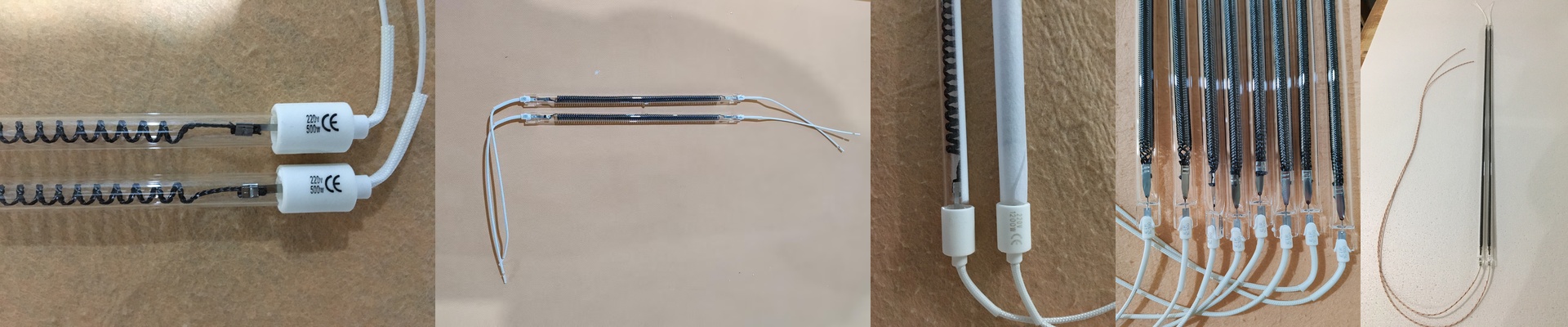
The carbon fiber heating element sits inside a quartz envelope. The quartz provides high thermal shock resistance, which is necessary when the tube cycles from ambient to operating temperature quickly. It also maintains optical clarity in the infrared band, so more of the generated heat goes straight to the target instead of being absorbed by the envelope. Carbon fiber, compared with traditional wire elements, has a lower thermal mass. That translates into faster response: you get quicker heat-up and sharper control during setpoint changes. The element also handles thermal cycling better because it is less prone to the fatigue that comes with repeated expansion and contraction. The R7s connector is not an afterthought. It is a proven industrial interface that supports the current load while keeping end-of-tube length short. That matters when you are dropping the tube into a compact reflector assembly. The bipolar design simplifies wiring and reduces the risk of poor contact in high-vibration environments. Trade-off: high power density and fast response demand attention to cooling and mounting. If the tube runs in an enclosed fixture, airflow and reflector geometry must be designed to keep the quartz temperature in range. Otherwise, the tube can run hotter than needed, shortening service life.
Application & Benefits
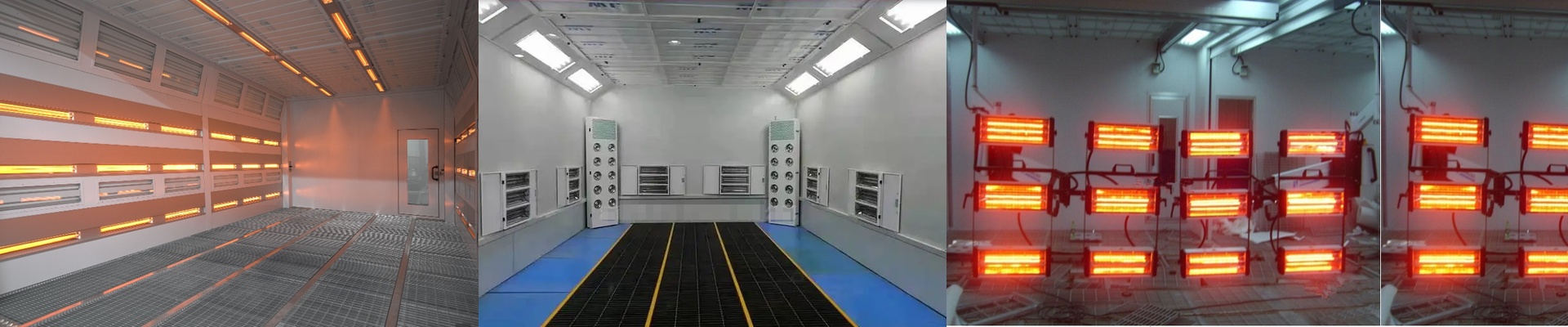
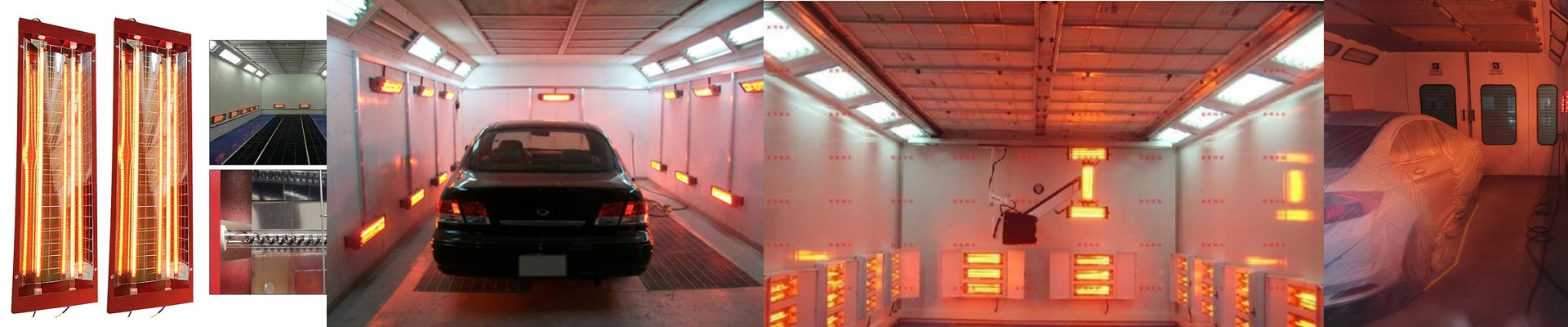
This configuration is built for industrial heating tasks that require intense, directional infrared output: plastic processing (including PET blowing), coating drying, adhesive curing, and composite preheating. In these applications, you need heat on demand, precise control, and a heater that can take a beating. The 2500W rating delivers the flux required to heat moving webs, mold surfaces, and preforms without lag. The 1260mm length provides a uniform thermal footprint across the target width, which reduces hot spots and improves part consistency. The carbon fiber element keeps response fast, so you can tune the process window without overshooting temperature. Installation is straightforward. The R7s termination allows a drop-in replacement in many standard fixtures, cutting changeover time on the line. For you, that means less downtime and fewer alignment issues when swapping heaters. We design this tube to be a practical workhorse. It is not a universal solution, but it is a dependable choice when you need high power, quick reaction, and a compact form factor—and when your machine design can support the thermal management that high density requires.